

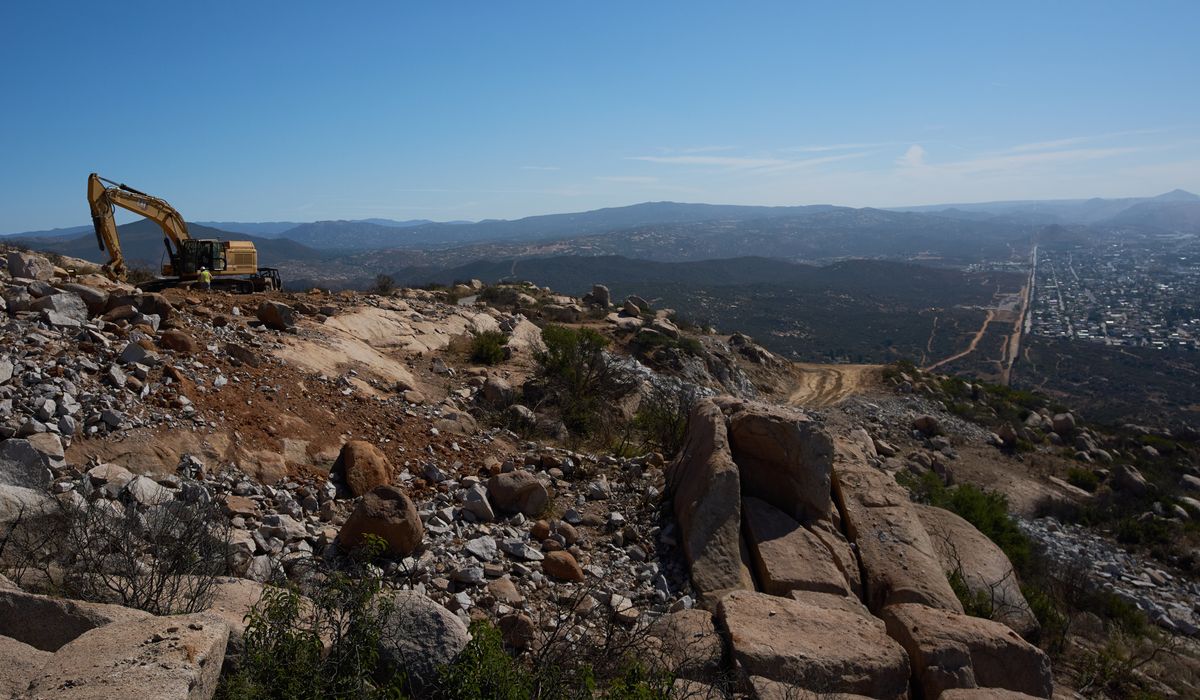
Border Patrol rescues of migrants have plunged from more than 100 a day in 2023 to fewer than four a day now. Here’s what’s driving the drop and what it means for cartels.
The dramatic fall in rescues is not just a statistic, it changes who controls the journey and who pays the cost. For many Republicans the drop signals a shift from chaotic, visible crossings to darker, cartel-run smuggling operations that keep migrants out of sight. That hidden control makes enforcement harder and increases the danger for people being trafficked.
One factor is shifting tactics by smugglers who now rely on tightly managed conveyor belts instead of mass crossings. Those cartel-run networks move people through remote areas and private routes where Border Patrol encounters are rare. Fewer encounters mean fewer recorded rescues even if the volume of illegal activity remains high.
Policy changes and enforcement posture also matter. When immigration rules or enforcement practices create incentives to avoid official ports of entry, smugglers exploit the gap. From a Republican perspective, inconsistent policies send the wrong signal and encourage dangerous, clandestine routes that reduce rescue opportunities.
Technology and intelligence can both help and hide the problem. Drones, sensors, and surveillance increase detection in some corridors, but cartels respond fast by shifting routes or using countermeasures. That adaptability leads to fewer rescue events recorded by Border Patrol even as criminal networks refine their operations.
Human decisions play a simple role: if smugglers control a crossing, they decide exposure. They pick times, terrain, and methods that minimize encounters with law enforcement. That control lowers the chance of rescue when migrants get into trouble, producing the sharp drop in recorded saves.
The cartel incentive structure is clear. Profits rise when crossings are hidden, because smugglers can charge more for secrecy and route complexity. Political leaders focused on border security warn that reduced rescue numbers often mean cartel business models are working, not that the danger has disappeared.
There is also the grim reality of casualties. When crossings move into more remote, hazardous terrain, deaths and injuries climb even if rescues fall. Fewer rescues can reflect fewer opportunities to find and assist people who are lost, dehydrated, or injured after being pushed through deadly stretches.
Local communities and first responders see the aftermath. Rural counties find remains, abandoned vehicles, and stranded people far from official patrol routes. From a Republican angle, that local burden underscores the need for clearer federal policy and stronger, predictable enforcement to disrupt the cartels and protect citizens.
Data gaps complicate the picture. Metrics that once captured visible crossings now miss the covert flows. When the government relies on encounter-based statistics, the numbers can suggest success while masking a deeper shift to cartel control and increased migrant vulnerability.
Practical responses require tightening vulnerabilities that smugglers exploit. That means securing ports of entry, bolstering patrols where cartels are active, and improving cooperation with local and international law enforcement. Republicans argue these moves reduce the space in which smugglers operate and bring rescues back into view.
Finally, messaging matters. Mixed signals from Washington about enforcement and consequences embolden criminal networks and the people they traffic. Clear, consistent policy that prioritizes lawful process and dismantles cartel infrastructure is the Republican prescription to reverse the decline in rescues and restore lawful control of the border.

