

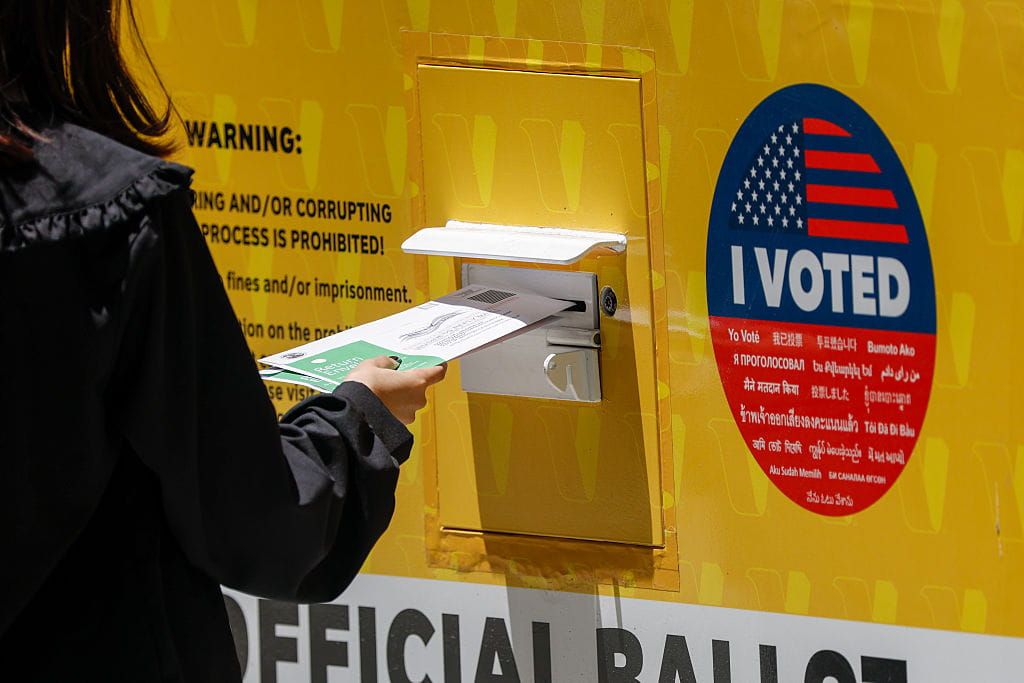
The California count has stretched into days, with vote tallies trickling in and impatience growing among voters and campaigns alike.
California’s post-election tallying process has become a test of endurance for voters, campaigns, and anyone watching from the sidelines. The state is processing large numbers of mail-in and late-arriving ballots, and officials keep saying progress is steady even when results look stalled. “The numbers are coming, but it’s a long slog in the Golden State.” This slow cadence raises real questions about transparency and clarity.
From a practical standpoint, the mechanics of counting in California are predictable but painfully slow. Counties open and process ballots on different schedules, and provisional ballots demand extra verification. That staggered workflow means election-night snapshots are often misleading, which frustrates voters who want quick, clear outcomes.
There’s also a legal and procedural angle that deserves scrutiny, not spin. Rules about postmark dates, cure periods, and drop box deadlines vary and can change the pool of valid ballots days after polls close. When those rules interact with a state as large as California, small procedural differences scale into big swings in totals.
Republican observers note that the prolonged pace gives room for confusion and the spread of rumors. With ballots arriving late or processed in batches, media calls can shift as new batches are reported. That environment makes it harder to trust headlines and easier for opponents to claim malfeasance without evidence.
Election officials insist they follow the law and maintain chain of custody, and many clerks work long hours to get counts right. Still, the optics matter: opaque timelines and sudden changes to tallies undermine confidence among voters who already feel sidelined. The remedy isn’t accusation but clearer rules and better public communication that every side can accept.
Technical fixes could help, but they won’t solve the underlying political tension on their own. Improved ballot tracking, consistent deadlines, and unified statewide standards would reduce last-minute surprises. Those changes require lawmakers to act, and debate over reforms will be a political fight in Sacramento and beyond.
Republicans argue that reforms should emphasize voter verification and timely reporting without sacrificing access. That balance means protecting legitimate ballots while making the process comprehensible and swift. If Californians want durable trust in elections, policy must meet both goals: secure procedures and transparent, fast results.
The media plays a role too, by reporting with restraint and context instead of chasing early winners or breathless narratives. Readers deserve announcements framed around the pace and nature of counting rather than premature conclusions. Responsible coverage would explain why numbers change and what that means for outcomes.
Campaigns also bear responsibility for how they react to shifting totals. Swift claims of victory or fraud based on partial data fuel distrust and polarize voters further. A better approach is to demand clear audits, open chain-of-custody records, and timely election updates instead of inflammatory headlines.
At the end of the day, Californians must have confidence that every lawful vote counts and that processes are consistent across counties. That goal calls for legislative clarity, administrative competence, and sober reporting from the press. If those elements fall into place, the state can move from a long slog to a dependable, well-understood system that earns respect from all sides.

