

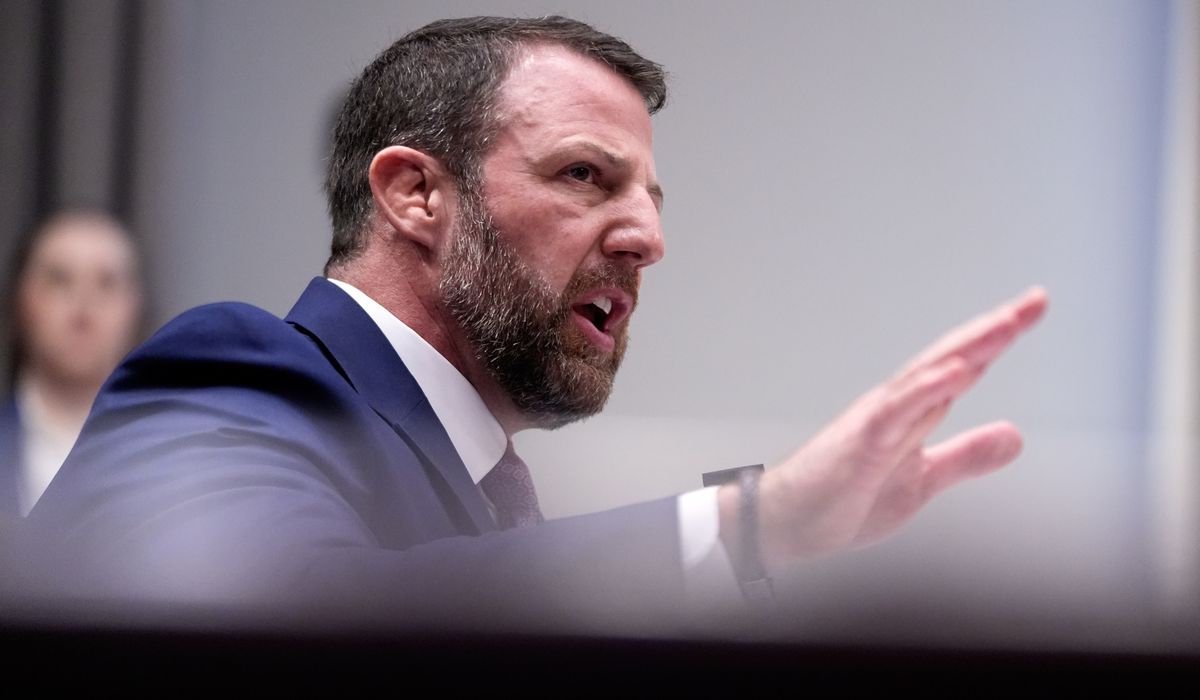
The chairman kicked off a tense congressional hearing with a direct challenge to a witness: “Say it to my face.” The exchange set the tone for a session focused on accountability, oversight, and refusal to accept evasive answers, with lawmakers pressing for straight talk and clear responsibility from officials under scrutiny.
The hearing began with an unmistakable tone: confrontational, unapologetic, and purposefully public. When the chairman leaned in and demanded, “Say it to my face,” it signaled that evasions and half-answers would not slide. In Washington, tone matters—especially when voters want officials to be held accountable for decisions that affect safety and liberty.
Republican members used that opening to press on core issues of responsibility and transparency. They framed the hearing as a check on power, insisting that government officials explain policies and mistakes directly to the people they serve. This is oversight in its clearest, most old-fashioned sense: asking blunt questions and expecting blunt answers.
The witnesses, caught off guard, had to choose between clarity and spin. When you are on the public record under oath, rhetoric falls short; words either match actions or they don’t. The chairman’s challenge removed any pretense of friendly conversation—this was accountability in front of cameras and constituents.
What voters see in moments like this is the contrast between politeness and performance. A cordial hearing can be productive, but it can also let officials avoid responsibility with careful phrasing and legalese. That’s why a more confrontational approach resonates: it forces specifics and makes officials answer in plain English.
From a Republican perspective, tough oversight protects both taxpayers and the rule of law. When agencies operate without clear answers, they can overreach or fail to prioritize safety and fiscal discipline. Members arguing for direct accountability argue that transparency is not political theater but the practical tool that keeps government aligned with citizens’ interests.
Critics will call strong questioning grandstanding, but there is a difference between performance and principle. The principle at stake is simple: officials who make policy must explain their choices and accept consequences when results fall short. The public deserves clarity, not deflection, and the chairman’s blunt demand was a reminder of that duty.
Hearings like this also shape public trust. When lawmakers ask direct questions and demand direct answers, it creates a simple standard: clear oversight equals greater confidence. On the other hand, evasive testimony erodes trust and feeds narratives of unaccountable bureaucracies insulated from everyday citizens.
Practically speaking, the exchange pushed the dialogue from abstract policy to real-world impacts. Voters don’t care for jargon; they care about how decisions affect community safety, jobs, and freedoms. The chairman’s approach highlighted those consequences by refusing to accept vague reassurances.
The lasting image of a chairman issuing a dare is more than a viral moment. It’s a statement about governance: checks and balances are supposed to be robust, not performative. Lawmakers who embrace that responsibility are signaling to voters that they will not allow obfuscation to stand in for answers.
Ultimately, hearings serve the public interest when they demand accountability and produce verifiable answers. The chairman’s crisp challenge crystallized that function, prompting both officials and citizens to expect clearer explanations and firmer responsibility. That is the kind of oversight that earns public trust and keeps government honest.

