

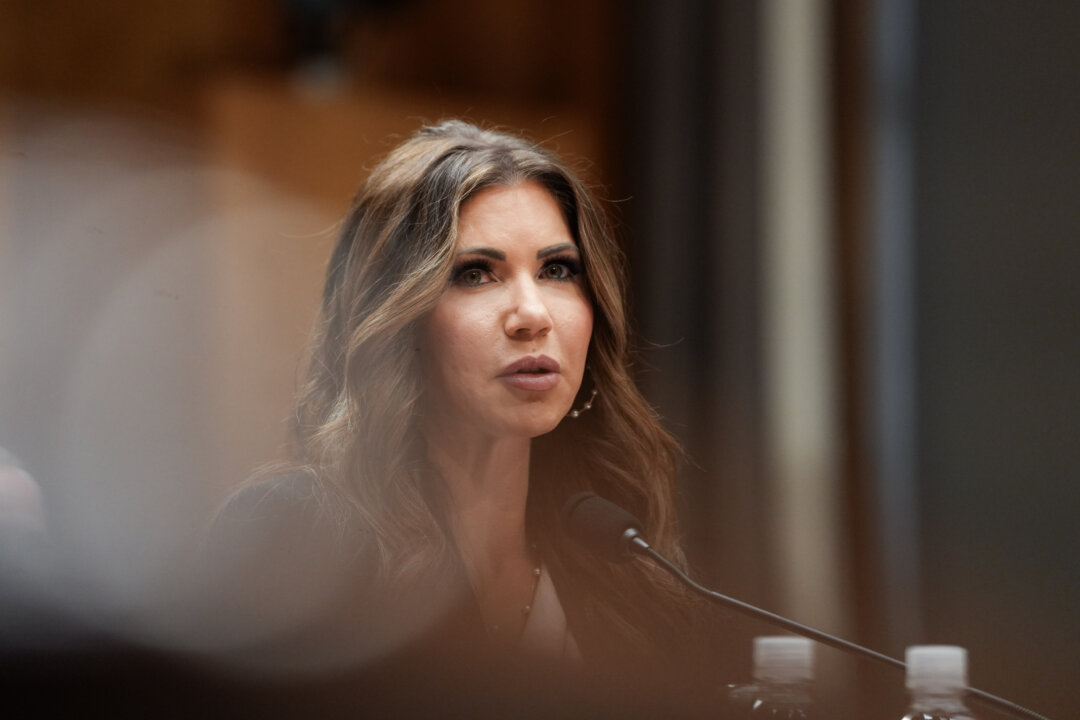
The recent decision by a federal court in California has blocked the federal government from canceling the immigration documents of around 5,000 Venezuelan nationals residing in the U.S. These individuals have been granted the right to stay in the country until October 2026, a ruling that underscores the ongoing legal battles over immigration policies. This decision came after Homeland Security Secretary Kristi Noem announced the termination of Venezuela’s Temporary Protected Status (TPS) for 2023 in February.
Temporary Protected Status is a temporary immigration status provided to nationals from countries experiencing severe conditions that prevent safe return. Venezuela was designated for TPS due to the ongoing crisis that has left the country in a state of turmoil. Secretary Noem’s decision to terminate the 2023 designation sparked concern among many who believe that conditions in Venezuela remain perilous.
Critics of the termination argued that the situation in Venezuela has not improved, with many seeing the court’s decision as a necessary reprieve for those fleeing the dire conditions. The ruling reflects the complexities and challenges of handling immigration matters in a way that considers both national security and humanitarian needs. Many conservatives argue that while compassion is essential, clear and enforceable immigration policies are necessary to maintain order.
The court’s decision has drawn attention from various conservative circles, with some commentators pointing out that this is an example of judicial overreach. They argue that the executive branch should have the authority to make decisions on TPS designations without interference. However, the court maintained that the federal government’s actions were not in line with the law, providing a legal basis for its decision.
Supporters of the ruling believe that it is a victory for upholding the rights of individuals facing life-threatening circumstances in their home countries. They emphasize the importance of America’s historical commitment to providing refuge for those in need. However, others worry that such decisions set a precedent that could complicate future immigration policy enforcement.
Fox News reported on the potential for this ruling to ignite further debate over immigration reform. Many conservatives stress the need for a robust legal system that can address current immigration challenges without compromising national security. The conversation around TPS and other immigration issues continues to be a contentious topic within the political landscape.
The New York Post highlighted the ongoing struggles within Venezuela, noting that economic instability and political strife continue to drive people out of the country. This context is critical in understanding why many believe TPS designations for Venezuelans should remain in place. The humanitarian crisis is undeniable, yet the question remains on how best to balance these needs with the rule of law.
Newsmax emphasized the broader implications of the court’s decision, suggesting that it may influence future judicial rulings on immigration matters. The separation of powers is a cornerstone of American democracy, and this case illustrates the ongoing tension between different branches of government. Conservatives argue for a return to policies that prioritize border security and legal immigration pathways.
Many agree that comprehensive immigration reform is necessary, but the path forward remains uncertain. The debate over TPS and similar programs highlights the challenges of crafting policies that address both humanitarian concerns and national interests. As discussions continue, it is clear that immigration will remain a pivotal issue in American politics.
The ruling has also sparked discussions about the role of the judiciary in shaping immigration policy. Some see the court’s intervention as essential in protecting vulnerable populations, while others view it as an encroachment on executive authority. This case serves as a reminder of the delicate balance between compassion and the rule of law.
The decision has been met with mixed reactions across the political spectrum, showcasing the complexity of immigration issues. While some celebrate the ruling as a humanitarian victory, others worry about its implications for immigration enforcement. This ongoing debate reflects broader societal questions about America’s role in the global community.
As the conversation continues, it is evident that immigration will be a defining issue for future political debates. The challenges of balancing national security with humanitarian responsibilities are not easily resolved. Moving forward, it will be crucial for policymakers to find solutions that respect both legal frameworks and human dignity.
The Venezuelan nationals affected by this decision represent a small fraction of the larger immigration debate. Their stories highlight the human aspect of these legal and political battles. As policymakers grapple with these issues, the voices of those impacted by these decisions must remain at the forefront.
It is clear that the road to comprehensive immigration reform will require careful consideration and collaboration across political lines. While the court’s decision is a temporary reprieve for some, it underscores the need for lasting solutions. The future of immigration policy in the U.S. remains a topic of significant national interest and importance.

