

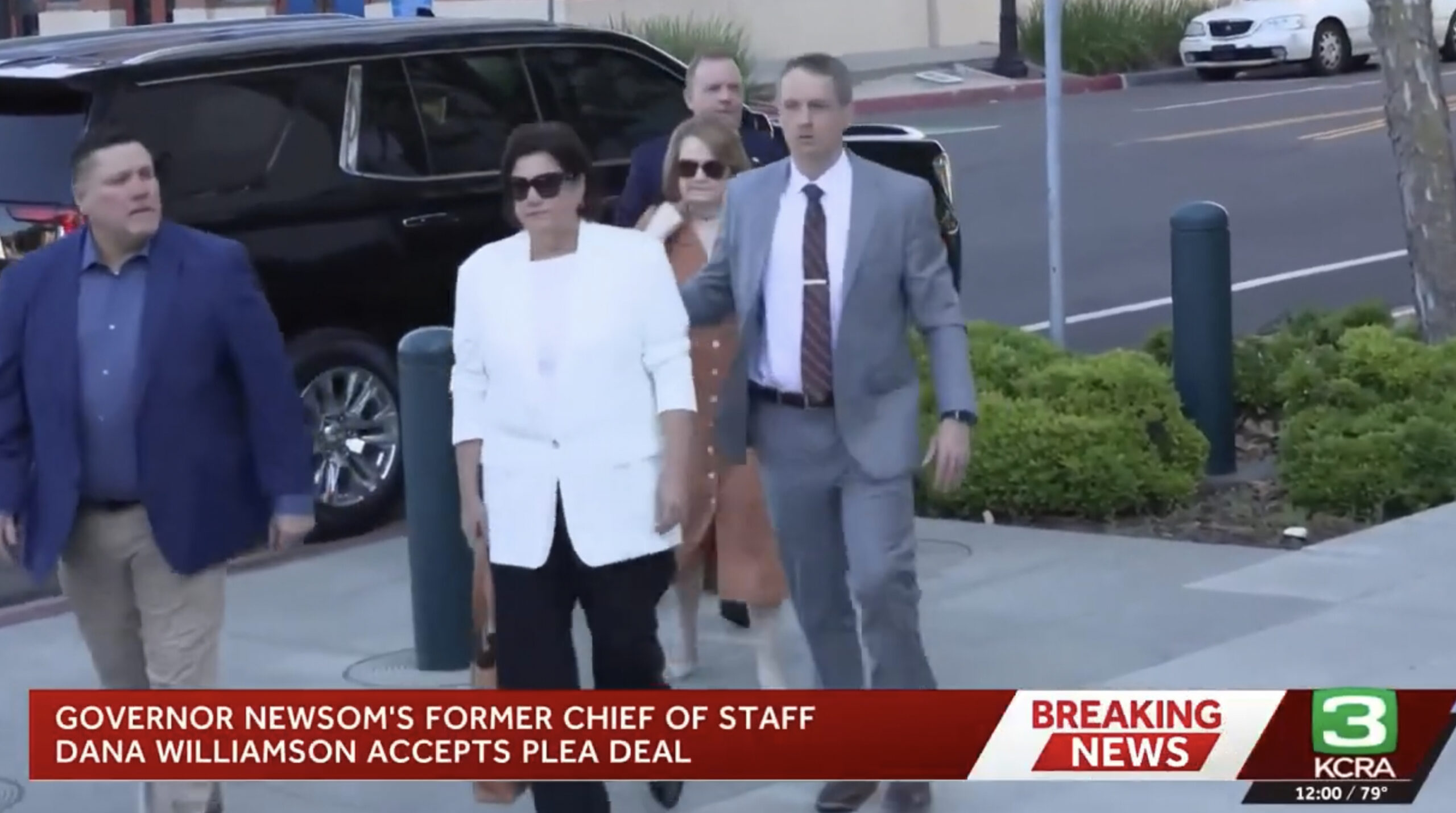
A recent plea deal involving Dana Williamson, former chief of staff to California Gov. Gavin Newsom, has landed her in federal court after a 23-count indictment and a May 14 guilty plea to three federal crimes, including bank fraud and “submitting […]”, creating sharp questions about accountability among the political elite.
This case puts a spotlight on how closely tied political power can be to personal advantage. Dana Williamson served as chief of staff to Gov. Gavin Newsom in 2023 and 2024, and that connection makes the story more than a routine prosecution. When someone from the inner circle of a powerful administration faces federal charges, it grabs attention for a reason.
The indictment carried 23 counts, and on May 14 she pled guilty to three federal crimes: bank fraud, submitting […]. Those exact details are important because they mark a clear legal turning point for someone who worked at the top of state government. Guilty pleas in federal cases are rare for high-ranking political aides, and the optics are unmistakable.
Pleas like this force voters to reckon with how the political class handles money and trust. The public expects officials and their aides to meet higher ethical standards, not skirt them. That breach of trust is what sticks in the throat of taxpayers who see elites insulated from ordinary consequences.
This is also about accountability and consistency in law enforcement. When people in powerful positions get charged, there are always debates about whether the system treats them fairly or with special leniency. From a Republican perspective, the real test is whether justice is even-handed and visible to everyone, not quietly negotiated behind closed doors.
We should look closely at the mechanics of plea deals without assuming anything beyond the record. A guilty plea resolves criminal liability, but it also raises questions about what led to the deal and what the government proved or chose not to pursue. That ambiguity fuels suspicion that political status can shape outcomes in high-profile cases.
The proximity to Gov. Newsom matters, even if he is not charged. High-level staffers do the heavy lifting of policy and political strategy, and their conduct reflects on the administrations they serve. Voters have every right to ask whether the culture inside that team tolerated or enabled behavior that skirted rules or laws.
Beyond the immediate players, this case feeds a broader story about the leftist nomenklatura and how elites govern. The phrase captures the sense of an insulated class that operates with different rules, and a plea involving a senior staffer reinforces that narrative. For those skeptical of entrenched power, this kind of case confirms their concerns about transparency and privilege.
It will be important to watch the next steps: sentencing, any restitution, and whether this plea prompts reforms inside the governor’s office. Even without additional charges, the political fallout can be significant, and it may lead to tightened controls or personnel changes. Whatever follows, the core issue remains how to restore public faith when a trusted insider breaks the rules.
Ultimately, the case is a reminder that no administration is immune from scrutiny and that accountability matters no matter the party. People who occupy seats of influence should expect their actions to be examined, and the law should apply equally. That principle is what keeps a functioning democracy and what many voters demand when power and privilege collide.

