

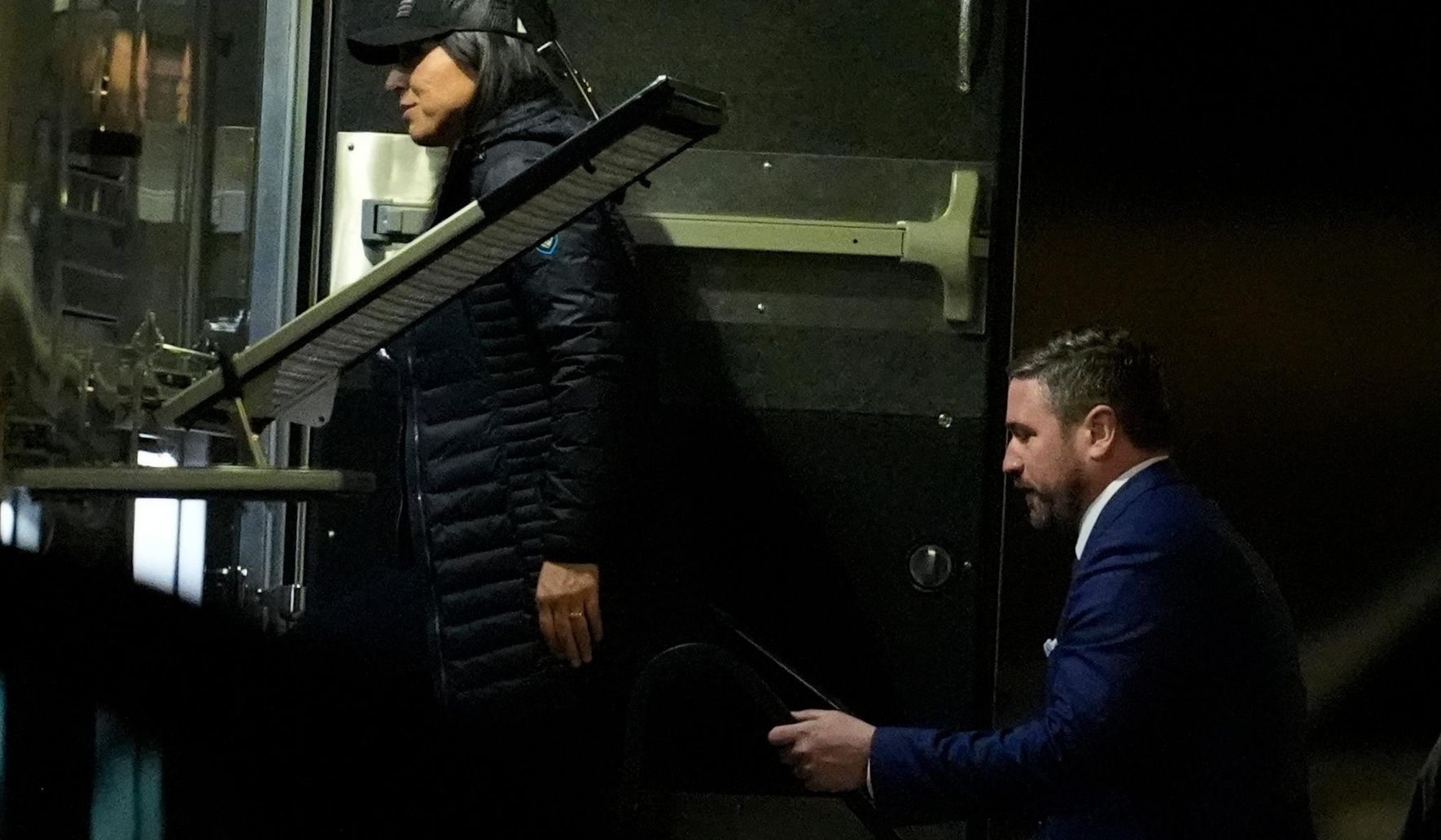
Tulsi Gabbard, identified as Director of National Intelligence in a letter to lawmakers, says she attended an FBI search of the Fulton County elections hub last week and connected her presence to actions by “President Donald Tru”. The disclosure has sharpened partisan debate over federal involvement in local election matters. Republicans are pressing for clearer explanations and oversight while questioning how intelligence and law enforcement decisions were made.
The letter from Director of National Intelligence Tulsi Gabbard states she was present for an FBI search at the Fulton County elections hub last week, and links her attendance to “President Donald Tru”. That short but consequential admission has prompted immediate scrutiny from House Republicans who want to know why federal intelligence officials were involved in a county-level probe. For many conservatives this feeds a longer concern about federal agencies stepping into politically sensitive local investigations.
Republican lawmakers argue the optics are bad and the chain of command needs to be clear. When intelligence officials show up at law enforcement actions tied to elections, voters deserve straightforward answers about authority, purpose, and limits. This is not about partisan cheerleading, it is about preserving clear boundaries between federal power and local election administration.
Questions surround whether proper legal protocols were followed before an intelligence director attended a search of an election facility. Congress typically expects to be informed about unusual uses of federal assets, especially when they touch on the mechanics of voting. Republicans are pressing for documentation and timelines that explain who authorized involvement and what intelligence thresholds were met.
Beyond procedure, there is the matter of precedent. If intelligence agencies can be moved into election-related searches with little public detail, that creates a new normal for future election cycles. Conservative critics warn that such normalization risks chilling election officials and voters and could erode confidence in the impartiality of federal institutions. The priority for Republicans is restoring predictable rules that protect both security and civil liberties.
Gabbard’s wording in her letter, including the fragmentary reference to “President Donald Tru”, has been seized on by GOP members as evidence that high-level political pressure may have been involved. Republicans are not only seeking a public accounting but want assurances that legal independence was preserved. Lawmakers are requesting internal records and communications to map who knew what and when, and to determine whether any directives came from the political or intelligence side.
The episode also revives old debates about federal versus local jurisdiction in election matters. Conservatives emphasize that local election officials are the primary custodians of vote administration and should be the first line of accountability. When federal agencies intervene, it must be clear that the action is driven by law and evidence rather than political goals or public relations concerns.
Practical fixes Republicans are pursuing focus on transparency and limits. That includes tighter reporting requirements for any intelligence or federal law enforcement activity tied to elections, clearer standards for notifying Congress, and guardrails against politicized use of federal resources. The goal is to make procedures predictable so they cannot be used selectively against political opponents.
Public confidence is the stake in this fight. When citizens see federal officials at the scene of an election probe, they rightly ask whether politics played a role. Republicans are framing their oversight demands around restoring trust by insisting on documentary proof that legal standards, not political convenience, drove the decision to involve the intelligence community.
In coming days GOP committees are expected to demand testimony and records from the agencies involved, aiming to reconstruct the decision-making process. Republicans say they will push for concrete answers and, if necessary, reforms that reaffirm local control over elections while preserving legitimate national security roles. The party’s message is simple: federal power must be used sparingly, transparently, and only when strictly justified by the law and clear threats to national security.

