

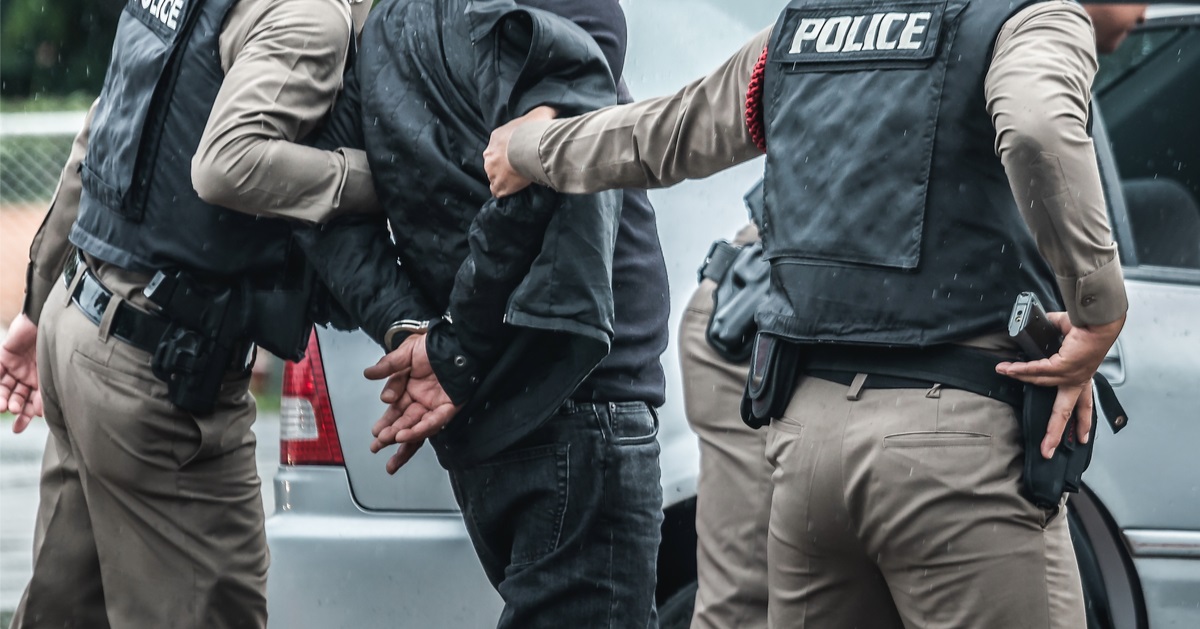
A DOJ staffer was arrested on state terrorism charges after allegedly doxing a federal agent during an immigration raid, a case tied to a summer operation that later sparked an armed attack on federal personnel and resulted in a $20,000 bond set as personal recognizance.
A staffer for the U.S. Department of Justice (DOJ) has just been arrested. Cameron County authorities moved against Karen Olvera De Leon after tracing an online doxing incident back to her following an immigration raid in Brownsville this summer. The arrest raises questions about accountability inside agencies that should be protecting law and order, not exposing agents.
The case centers on doxing: “the act of exposing private or identifying information on the Internet about an individual or group without the person’s or group’s consent, usually with malicious intent. ” That exposure, when tied to threats or violent mobs, becomes a clear public safety problem and a direct attack on federal law enforcement operations.
The incident began on June 9, when federal agents executed a raid and bystanders recorded and livestreamed the scene. Those live videos drew comments, and the conversation turned dangerous almost immediately. At least one commenter made what authorities considered a death threat against an identified agent, and another commenter later revealed the agent’s name.
According to information provided to Breitbart Texas by Cameron County District Attorney Luis Saenz, the case began on June 9, when federal agents conducted a raid in Brownsville. During the operation, bystanders began recording and livestreaming.
Investigators followed the trail of online posts and determined Olvera De Leon was the person who posted identifying information about the federal agent. That step from online chatter to exposure of a government employee is the crux of the charge, and prosecutors treated it as a terrorism-related act because of the threat context. Republicans watching this will say it’s a clear example of why law enforcement needs full backing when protecting officers and agents from targeted harassment.
Authorities say the exposure of an agent’s identity came moments after a threatening comment, creating an obvious danger that the comment and the doxing together could lead to violence. The link between online doxing and real-world harm is no theory here; prosecutors describe the sequence as escalating risk. For conservative observers, it underscores the need for strict consequences when government insiders are implicated in endangering fellow public servants.
Local records show the booking and charges. “Olvera De Leon was booked on Thursday on charges of terrorism and tampering with or fabricating evidence, Cameron County jail records show.” That language comes straight from the official booking information and reflects both the gravity and the criminal theory local prosecutors are using. Her legal exposure includes charges beyond simple disclosure of information.
Her bond was set at $20,000, and the booking entry categorizes it as a personal recognizance arrangement, meaning she was released without posting cash. Prosecutors and local judges structured the release so Olvera De Leon remains accountable to appear in court but not held in custody pending trial. That balance satisfies legal norms while keeping public safety concerns on record.
Jail records at the Carrizales Rucker Detention Center in Cameron County revealed that a local judge set a total bond for Olvera at $20,000 personal recognizance, meaning that she did not have to post a bond and was released with her signature, but if she fails to appear in future court dates, she would be responsible for paying the bond amount.
Doxing isn’t just a violation of privacy when it targets law enforcement; it can be an accelerant for organized violence. This case does not exist in a vacuum — it came in the same period that federal agents were targeted in a coordinated, armed attack after their identities and locations were exposed. That pattern turns social media posts into tactical threats against people doing dangerous jobs.
Officials later tied the summer attacks on federal agents to organized offenders who used violent tactics against agents and local police. The groups involved allegedly showed up with military-style gear, projectiles, and firearms, turning protests into ambushes. For many conservatives, these events show a toxic mix of online hostility and real-world aggression that demands a firm legal response.
Ten members of an armed mob accused of attacking an ICE detention center on July 4th have been charged by the Department of Justice with attempted murder. The assailants allegedly wore military-style gear, including tactical vests, and launched fireworks at the Prairieland Detention Center near Dallas before spraying bullets at a local cop and unarmed federal agents, according to the criminal complaint filed Monday.
This arrest puts a spotlight on how dangerous it becomes when people inside or near government operations reveal identities tied to enforcement actions. Republicans will argue the priority must be protecting agents, enforcing laws against targeted exposure and threats, and making sure federal operations can proceed without fear of retaliation. The case against Olvera De Leon will be watched closely as it moves through the courts.

