

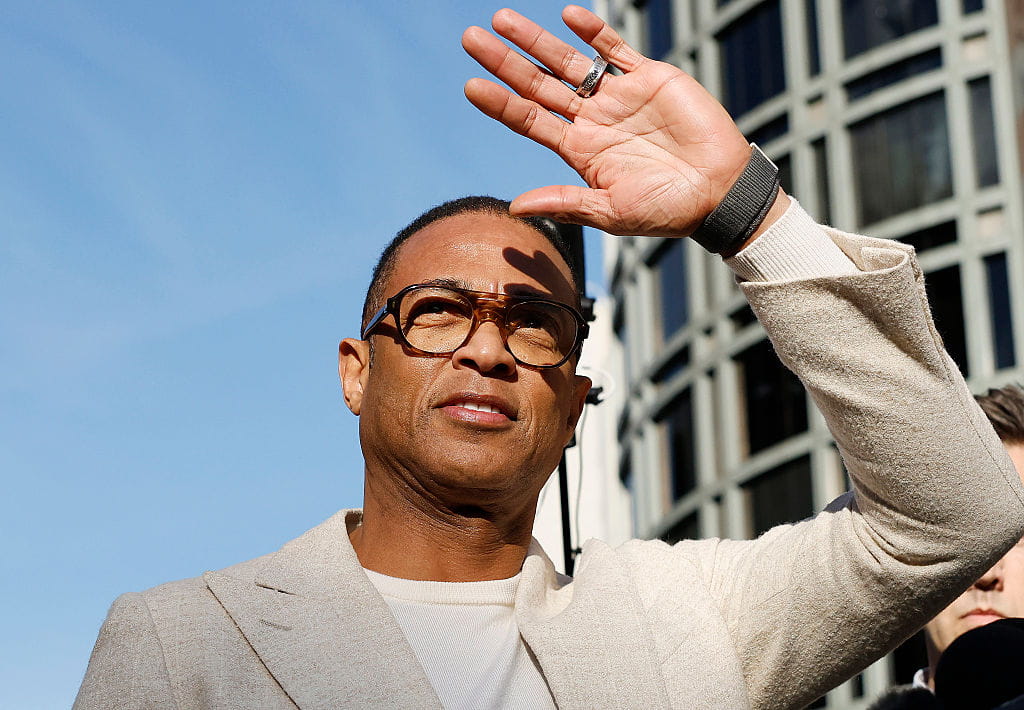
Former CNN host Don Lemon was released on Friday after being taken into federal custody late Thursday over his involvement in an anti-ICE attack on a Minneapolis Christian church, an incident that saw Lemon and a group of protesters barge into Cities Church during a service earlier this month, disrupting worshipers, frightening families, and shouting obscenities at Christian children.
The scene inside Cities Church stunned congregants when a group pushed into a service and created chaos where families and children were gathered to worship. Reports say worship was interrupted, adults were alarmed, and young kids were exposed to profanity and aggressive behavior, leaving people shaken. That kind of confrontation inside a house of worship crossed a line for many who value safe, peaceful religious practice.
Federal authorities took Lemon into custody late Thursday, and he was released the following day, which raises immediate questions about what charges, if any, will be pursued and how the case will be handled. When protests turn into forced intrusions on private religious services, it moves beyond free speech into potential criminal conduct, and citizens expect consistent enforcement of the law. The swift release will leave some demanding clearer answers from prosecutors about next steps and accountability.
From a conservative perspective this incident highlights a broader trend where high-profile voices seem to test boundaries that ordinary citizens could not. There is frustration that media figures who agitate publicly then face limited consequences when their actions harms others in private settings like churches. The instinct among many Republicans is to defend the right of congregations to worship without harassment and to insist that fame should not shield people from responsibility.
The attack was characterized as anti-ICE in motivation, which frames the event as a political protest against immigration enforcement policy, but the method of barging into a worship service drew condemnation across ideological lines. Protests aimed at public officials or government buildings are one thing, but targeting families at prayer touches on deeper issues of respect and civility. When tactics focus on intimidating children and disrupting sacred spaces, political disagreements become personal and corrosive.
Law enforcement faces a clear test: uphold the rule of law consistently and ensure that acts of intimidation or trespass are treated seriously regardless of who commits them. When incidents involve federal custody, the public expects a thorough, transparent process so people can see justice is administered without favoritism. That transparency is vital to maintain trust in institutions meant to keep communities safe and to deter similar actions going forward.
The immediate human toll on the congregation should not be overlooked, because the disruption didn’t just make headlines, it left real people upset and some children frightened. Those present will carry memories of that interruption into future services, and pastors and community leaders will spend time rebuilding a sense of security. Churches depend on predictable, peaceful space for worship, and violating that space has consequences beyond the single event.
Beyond the courtroom and the news cycle, this episode forces a larger conversation about how political protest is conducted in America and where lines should be drawn. Civic engagement and policy debate are important, but tactics that target worship services complicate the public sphere and fuel partisan anger. If the country wants to preserve both free expression and social order, we need clearer norms about respecting private and sacred spaces even in heated political fights.

