

Ross Davidson, who performed as Ross Wild and joined a famous 1980s band, was convicted in two trials of multiple sexual offences spanning 2013 to 2019 and has been sentenced to 14 years in prison; bodycam footage from his 2021 arrest and details from the court record show a dismissive demeanor that many observers found shocking. Five of six victims gave evidence, and the judge delivered strong criticism of Davidson’s conduct and attitude toward women. Several procedural questions remain open, including who released the footage and whether an appeal will follow.
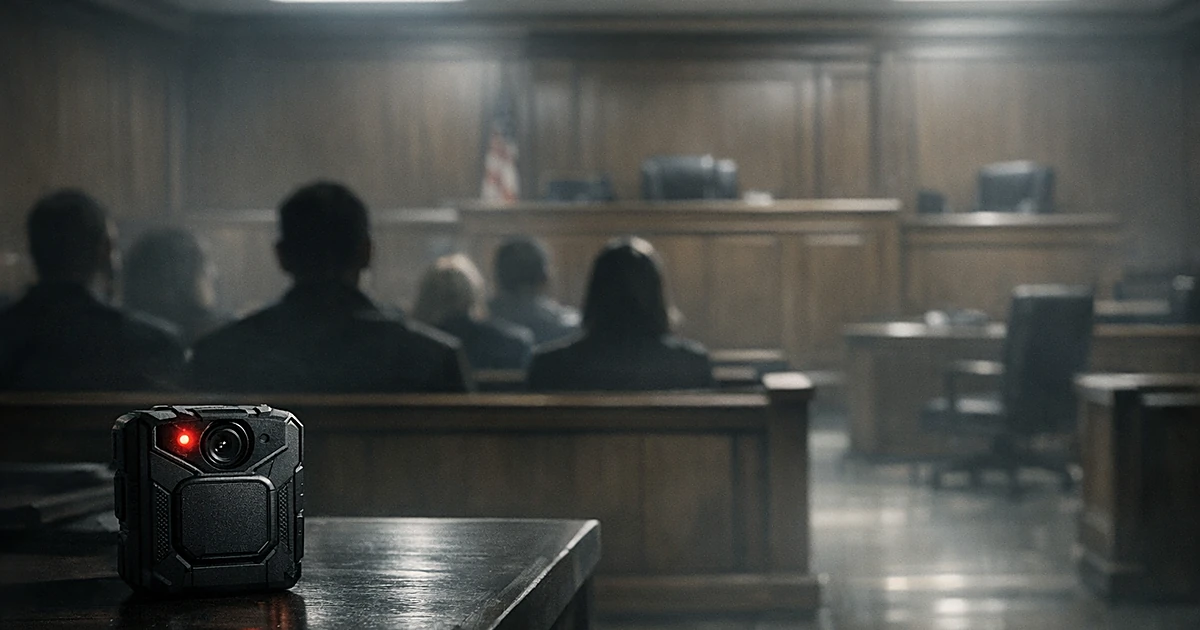
Police bodycam footage from Davidson’s 2021 arrest captured him smiling and shaking his head as an officer read a list of charges from 2019 that included rape, voyeurism, and recording a victim without consent. That moment, now circulating widely, set a public tone that prosecutors and victims pointed to throughout the lengthy legal process. The footage has become a focal point for discussion about how suspects present themselves when confronted with serious allegations.
The legal process culminated in a sentence of 14 years handed down by Judge John Dodd KC after two separate trials. Courts found Davidson guilty of sexual offences against six women committed over a six-year period, and five of those victims attended sentencing to hear the outcome. He performed under the stage name Ross Wild and had a public profile that included time in a well-known band and West End appearances.
“I have never raped, sexually assaulted or coerced any woman in my life.”
That statement of denial was entered on his behalf and repeated throughout the proceedings, but two juries reached guilty verdicts on different counts. The offences were found to have taken place between August 2013 and December 2019, with incidents occurring in London and abroad. Courts concluded some assaults happened while victims were asleep, a detail that framed the severity of the convictions.
Davidson faced a first trial in July 2024 where jurors convicted him of multiple counts including sexual assault, rape, and voyeurism involving several victims. A second trial in January 2025 returned additional guilty verdicts, including a March 2015 rape in London and a December 2019 sexual assault in Thailand. The split trials and the international reach of the allegations meant the case unfolded over several years and across different jurisdictions.
The judge who sentenced Davidson was unflinching in his assessment, noting that as the defendant’s stage career was “fast developing” he nonetheless treated women “in a wholly disgraceful manner.” The court also described his attitude as having an “adventurous attitude to matters sexually” and a tendency to treat women “without respect.” Those phrases were used to explain the seriousness with which the court viewed the pattern of offending.
Victims gave detailed accounts in open court, and the judge observed that their evidence was presented “without exaggeration.” Five women sat through the sentencing hearing and listened as the judge described the conduct that had been found proven. Their presence in the courtroom underscored the personal toll of bringing historic and cross-border allegations to trial.
Beyond the initial arrest smirk, courtroom accounts included reports that Davidson read a book while victims read victim impact statements. That behavior drew attention as an example of what prosecutors and victims called contemptuous conduct during proceedings. Observers argued the distinction between asserting legal innocence and displaying indifference when victims speak is profound.
Davidson’s biography was a clear part of the public story: joining a famous 1980s band in 2018, replacing a founding member, and performing on stage provided him with visibility and access. Prosecutors argued he used his charisma and status to exploit opportunities, while defense maintained his innocence at all times. The case is one in a broader pattern where celebrity and public profile intersect with criminal allegations.
The 14-year sentence covers offences across multiple years and locations, reflecting the cumulative weight of the convictions. Two juries examined the evidence and reached guilty verdicts despite repeated denials from the defendant, and a judge imposed a sentence he considered appropriate after reviewing the record. Whether the sentence will be appealed is not yet public, and the formal appeal process could alter the legal landscape in the months ahead.
Questions remain about the provenance of the bodycam footage, which was posted to a social platform without a clear attribution, and about some specifics of the formal charges that were not detailed in reporting. Those gaps do not change the fact that convictions were secured and a lengthy custodial term was imposed. The criminal cases now move into the next procedural phases, with any appeal or related inquiries to follow.
“By refusing to admit his guilt I feel that he has retraumatised me, I find his cowardice utterly deplorable.”

