

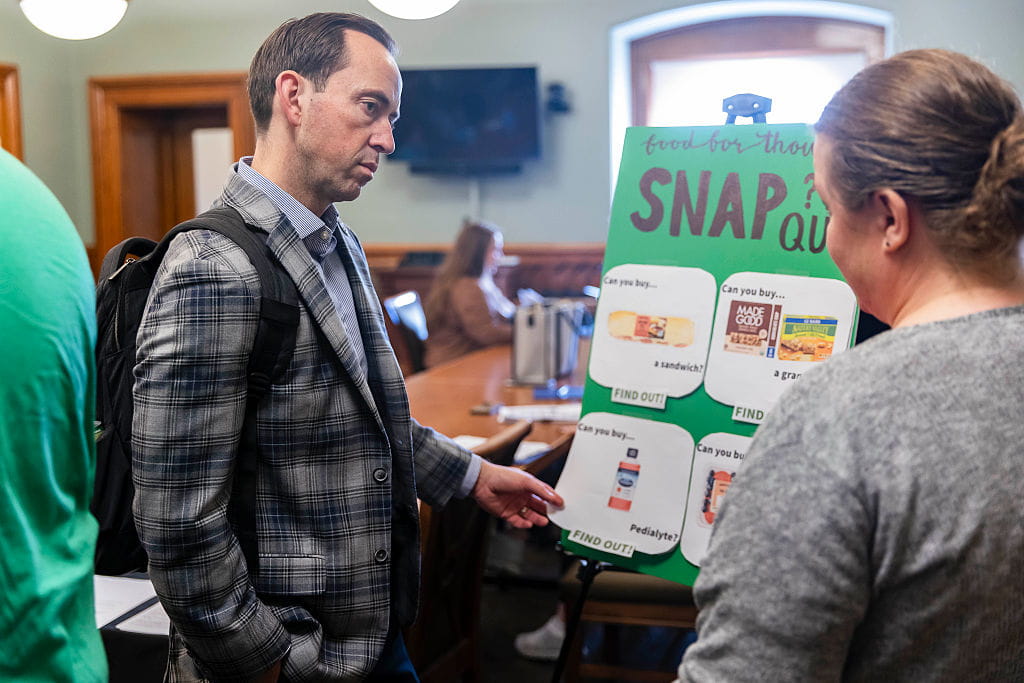
A compact review of the debate over whether SNAP should allow purchases of junk food, the legal fight that could change federal policy, and practical alternatives that respect choice while protecting public funds.
“A federal court may soon decide.” That legal line stands at the center of a bigger fight over how Washington spends money aimed at feeding families. SNAP benefits are meant to keep people from going hungry, but critics say taxpayer dollars also subsidize unhealthy choices that raise long-term public costs. The case on the docket asks whether the government should police purchases or preserve beneficiary freedom.
The case forces two plain questions: who decides what’s an acceptable purchase, and how much does policy protect public health without trampling personal freedom. Conservatives should be skeptical of heavy-handed bans because they grow government power and treat adults like children. At the same time, taxpayers have a legitimate interest in ensuring public programs don’t indirectly bankroll outcomes that increase Medicaid and Medicare spending down the line.
Arguments for restrictions are straightforward: poor diet contributes to obesity, diabetes, and heart disease, which create real costs for society. Opponents of a ban warn about unintended consequences, like stigmatizing recipients and driving purchases underground or into cash, which reduces oversight. From a Republican perspective, the default should favor liberty and local solutions, not a nationwide rulebook that dictates grocery lists for millions.
There are practical alternatives that align with conservative principles while addressing health concerns. One route is targeted incentives rather than outright bans: boost purchasing power for fruits, vegetables, and lean proteins through matching programs or temporary bonuses. Another option is to expand education and community-based nutrition programs that respect individual choice but make healthier options more accessible and appealing.
Market-driven approaches deserve more attention. Private-sector partnerships with grocers and food producers can create low-cost, high-quality offerings in food deserts without new federal mandates. Charities and faith-based groups can scale up meal and nutrition outreach in ways that preserve dignity and avoid coercion. These methods keep government from micromanaging diets while addressing the root problems that drive poor nutrition.
Policy design also matters. If lawmakers insist on tweaking SNAP, changes should be narrow, cost-effective, and reversible, tested in pilot programs before sweeping rollout. Pilots can show whether incentives reduce healthcare costs or whether restrictions cause harm by reducing benefits’ usefulness. Any reform should protect the program’s core mission: preventing hunger for families who would otherwise go without.
The court’s eventual ruling will create precedent, but the smarter political play is to craft solutions that win public support by combining fiscal responsibility with compassion. Voters tend to back programs that work and respect dignity, not those that feel punitive. Lawmakers can legislate smarter, not harder, by leaning into choice-preserving tools that encourage better health outcomes without creating a federal food police.
At stake is more than what can be bought with an EBT card; it’s about whether policy trusts people to make choices while providing tools that nudge behavior in healthier directions. A principled approach blends limited government, local innovation, and fiscal stewardship—closing the gap between taxpayers’ expectations and recipients’ needs without sacrificing either. The debate over junk food on SNAP is ripe for practical, conservative solutions that protect both freedom and the public purse.

