

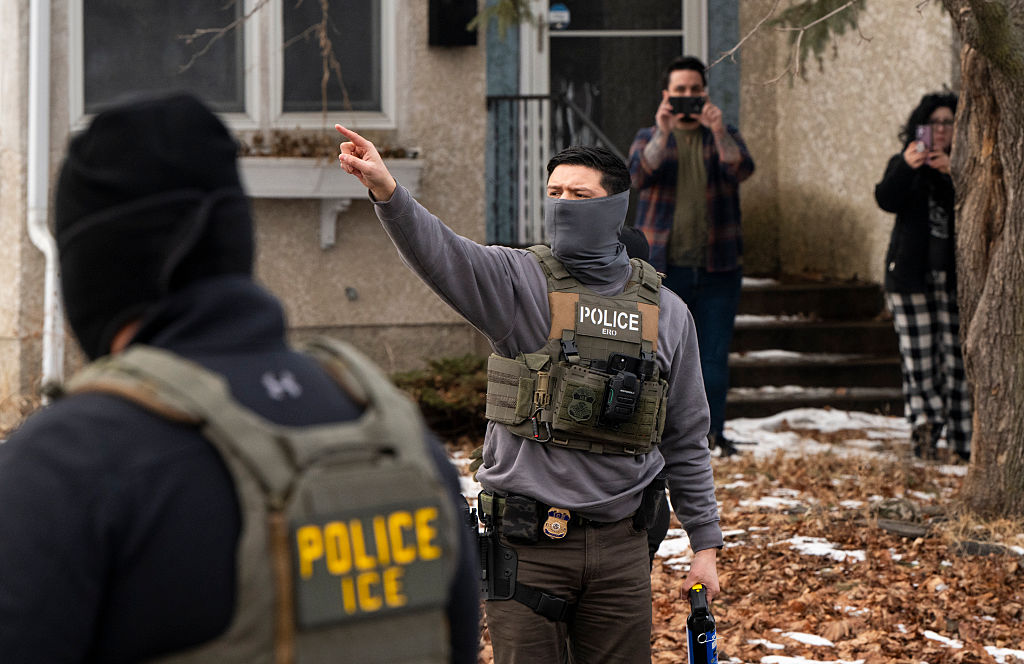
On January 27 an immigration enforcement agent shot an individual in Minnesota; the event drew little public attention despite its seriousness, and the muted response from activists, mainstream media, and Democratic circles raises questions about consistency in outrage, law enforcement accountability, and public transparency.
The fact pattern is straightforward: federal immigration agents shot someone on January 27, and the story did not explode into headlines or protests the way other cases often do. That silence is notable because the public and political class make clear, selective choices about which incidents deserve outrage. The inconsistency matters for public trust in institutions that are supposed to protect citizens and enforce the law evenly.
Across the political spectrum there are double standards that wind up shaping narratives more than facts. When agents tied to federal immigration enforcement are involved, certain media outlets and activists often downplay or ignore incidents that would otherwise trigger intense scrutiny. That selective attention fuels suspicion that political considerations, not neutral principles, guide who gets a spotlight and who doesn’t.
Law and order should be applied consistently, and that includes fair, transparent reviews of any use of force by federal agents. Americans should be able to expect independent investigations that make the timeline and evidence public, without leaks that spin a story before facts are known. Republicans generally favor accountability that preserves the ability of officers to act when necessary while ensuring proper review when force is used.
In Minnesota, where protests against federal immigration enforcement have been visible in the past, the muted reaction this time suggests political calculations at play. Activists and sympathetic political figures often elevate certain cases into national causes when it fits a broader narrative. When the facts are inconvenient to that narrative, silence becomes the tool of choice.
That pattern undermines confidence in both civic institutions and the media outlets that inform the public. News organizations must answer why some incidents get wall-to-wall coverage while others get brief mentions or disappear entirely. Voters deserve reporting that treats incidents of force with even-handed skepticism, not partisan amplification or suppression.
Criticism of federal enforcement actions is legitimate and sometimes necessary, but it should not be selective or performative. If the goal is justice, then every credible allegation of wrongdoing should prompt the same investigative rigor. Consistent standards protect both citizens and the officers who serve under difficult conditions.
At the same time, there is a practical side that gets lost in the shouting: law enforcement officers, including those in immigration enforcement, face unpredictable threats. Decisions in the moment can be split-second and fraught. A fair process must weigh that reality against the need to investigate any misuse of force thoroughly and transparently.
Republican readers will note that defending rule of law does not mean condoning abuse, nor does it require ignoring errors. It means insisting on impartial processes, resisting the temptation to turn individual incidents into political theater, and supporting institutions that uphold public safety while correcting misconduct when it happens. That balance is what preserves legitimacy.
The January 27 shooting highlights the broader problem of selective outrage and the media echo chamber that amplifies it. Minnesota’s silence on this case should prompt questions about why some stories become causes and others do not. Public confidence depends on consistent application of standards, and accountability must be real, not rhetorical.
Until investigations are concluded, citizens should demand clarity and facts rather than partisan narratives. Transparent reviews bolster trust, which is precisely what selective attention chips away at. If the goal is a fair and functioning justice system, then parity in scrutiny is not optional; it is essential.

