

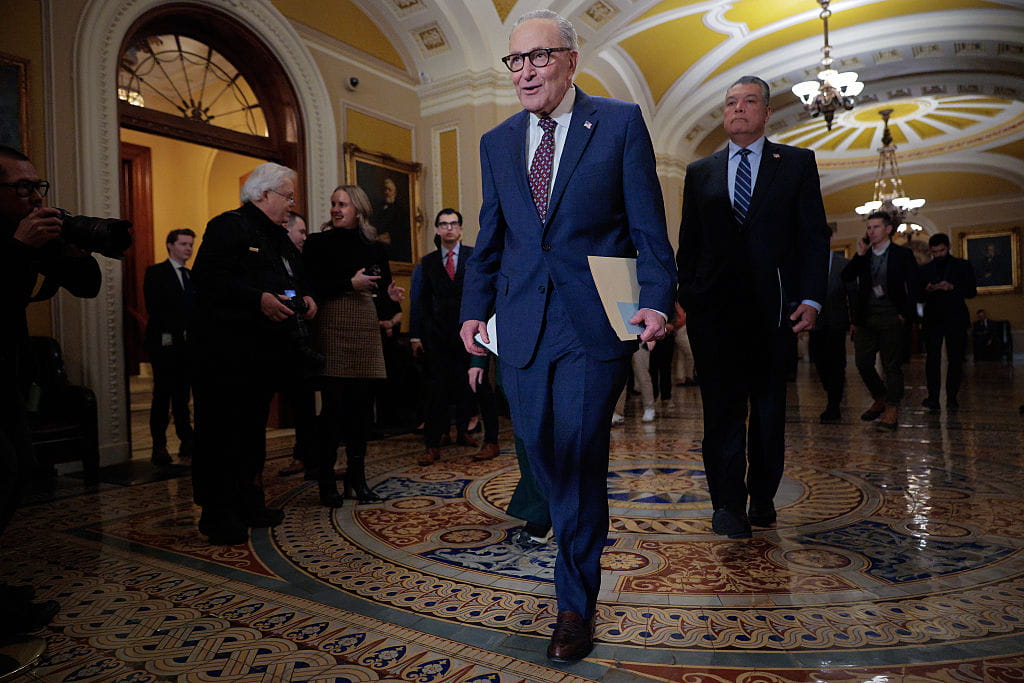
The Senate stalled on the final six spending bills on Thursday, January 29, and a last-minute deal between President Donald Trump and Senate Minority Leader Chuck Schumer (D-NY) stepped in to avert a wider shutdown that could have threatened military pay.
The Senate rejected the final six spending bills in votes held on Thursday, January 29, leaving a serious funding gap. Those failures set up the real risk of a partial government shutdown that would hit key programs and could disrupt pay for service members. Lawmakers scrambled to prevent immediate harm while political fights over priorities and process continued.
Washington has faced repeated funding standoffs, and this episode was no different in tone or consequence. When the tests collapsed, options narrowed to short-term fixes, omnibus deals, or a stopgap continuing resolution. Each path requires votes and compromises that expose the different priorities of each party.
President Donald Trump moved quickly into negotiations, aiming to protect military pay and avoid the optics of a shutdown. His outreach to Senate leaders produced a deal with Senate Minority Leader Chuck Schumer (D-NY), a move that bought time for negotiators. For Republicans, the result showed the value of forceful leadership to keep critical functions running.
The deal did not erase the deeper policy fights that drove the breakdown in the first place, especially on spending levels and border security. Democrats insisted on priorities that many Republicans see as open-ended spending that fails to target real reforms. Republicans argued that fiscal discipline and clear enforcement of priorities are essential to long-term stability.
One immediate consequence of the failed votes was uncertainty for military payroll, a politically sensitive point that quickly focused attention. Keeping troops paid is an argument that unites many members across the aisle, and it created leverage for negotiators to hammer out a temporary solution. Still, reliance on last-minute deals has become a recurring pattern that frustrates lawmakers and taxpayers alike.
Behind the scenes, Senate procedural rules and the prospect of extended floor fights shaped the strategy of both parties. Republicans pointed to the need for transparent appropriations and warned against letting political standoffs determine paychecks. Democrats countered that certain policy riders and funding priorities could not be separated from the underlying spending negotiations.
Fiscal responsibility and national security concerns were the central talking points for conservative lawmakers who opposed the initial package. They emphasized trimming wasteful programs and focusing resources on defense and border enforcement. That message resonated with voters who expect Congress to protect service members and keep spending in check.
Despite the deal, deadlines remain and the negotiation calendar is tight, forcing fresh face-offs in the weeks ahead. Lawmakers will have to reconcile competing visions for discretionary spending while avoiding another cliff. The pressure will test whether leaders can translate an interim agreement into a durable funding framework.
Republicans hailed the Trump-Schumer arrangement as a pragmatic fix that prioritized military pay and kept the government functioning. Critics on both sides warned that short-term measures only postpone more contentious decisions about budget priorities. Yet in practical terms, the deal reduced immediate harm and allowed negotiators more breathing room.
Looking forward, the same dynamics that produced the January 29 breakdown will shape coming debates: partisan priorities, procedural hurdles, and public opinion about fiscal priorities. Lawmakers face the choice of using temporary stops or crafting substantive appropriations that reflect competing demands. The stakes remain high because funding choices directly affect national defense and core government services.
The recent episode underscored the advantage of clear goals and firm leadership during funding fights, especially when military payroll is on the line. Republican voices pressed for spending restraint and accountability, and they framed the debate around protecting troops and prioritizing essential services. Whatever the next steps, Congress will again be judged on its ability to fund the government without undermining core responsibilities.

