

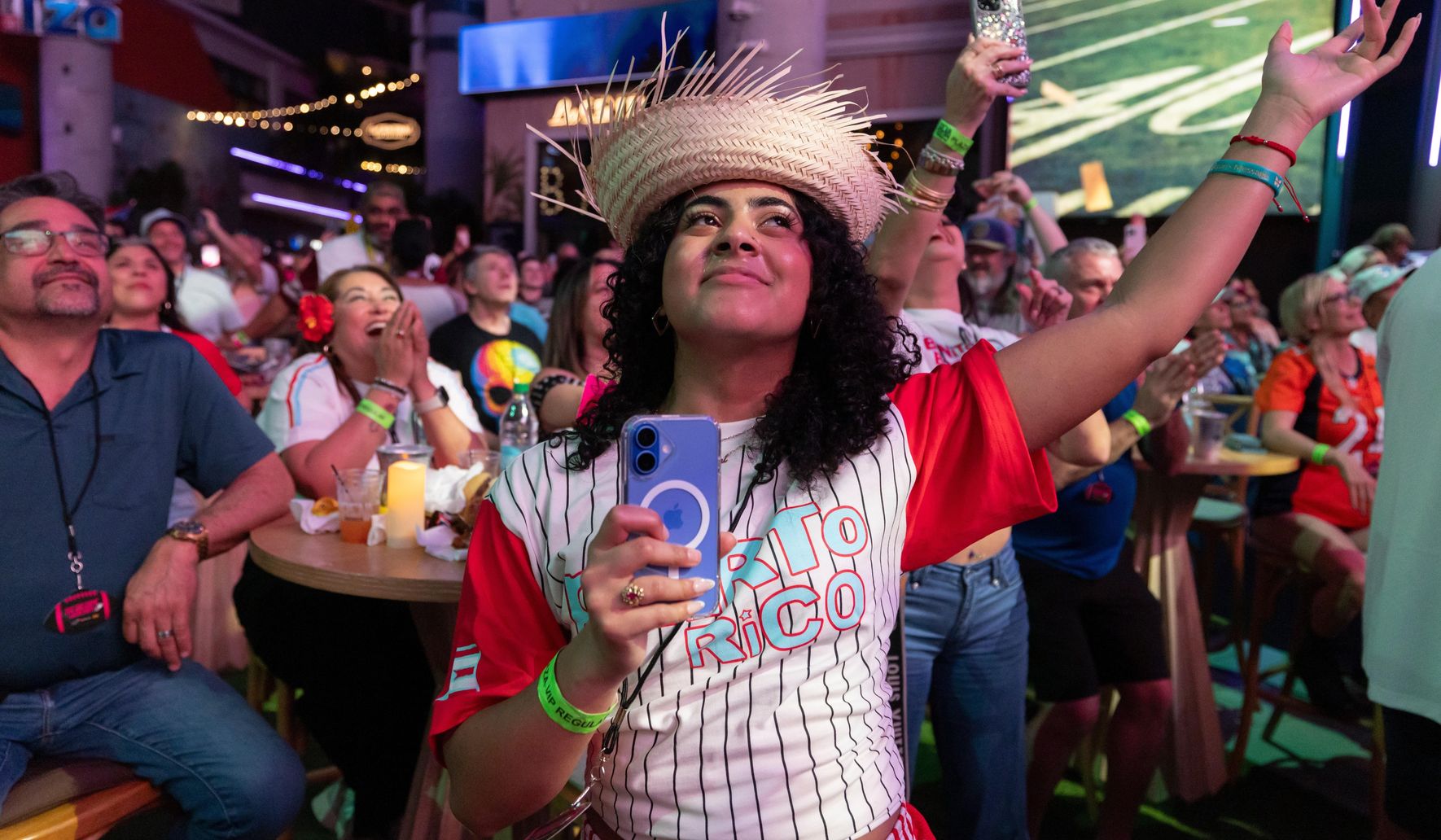
Last night’s Super Bowl didn’t go the way many viewers in Puerto Rico expected, and a brief outage turned the big game into a local interruption that left fans scrambling for answers.
The Super Bowl lasted all of 13 minutes for many Puerto Ricans in San Juan and beyond. What started as a routine evening of football viewing quickly became a string of dropped feeds, frozen screens, and shouted expletives in living rooms and bars. Social media filled up fast as people tried to make sense of the silence where the game should have been.
Reports came in from neighborhoods across San Juan that television sets and streaming feeds cut out within minutes of kickoff. Viewers described seeing the same frozen frame or a black screen, while others heard only background noise and no play-by-play. For people who had gathered for the matchup, the abrupt halt felt like someone had hit pause on the whole evening.
Not every viewer was affected the same way; some households stayed connected and saw the full first quarter, while others never got past the opening drive. The patchy impact made it hard to tell whether the issue was local wiring, cable backbone trouble, or an app-level failure. That uncertainty only amplified frustration, because checking different services gave different answers.
Bars and restaurants that had advertised watch parties were hit particularly hard. Staff had to juggle disappointed customers, emptying plates, and requests for refunds or free drinks for the inconvenience. For small venues that count on big-game nights to boost revenue, the interruption was more than an annoyance — it was lost business on a night that usually matters.
People tried quick fixes: rebooting routers, switching to mobile data, moving to another TV in the house, or hunting for highlight clips on social platforms. A lot of viewers said clips and small video snippets helped bridge the gap, but that’s no substitute for watching live. The shared ritual of watching a game together — the commercial reactions, the collective gasp, the apostasies over calls — was what really vanished.
On social media, footage and first-person accounts spread rapidly, creating a patchwork timeline of where and when service faltered. Conversations weren’t just about technical glitches; they were also about missed moments and ruined celebrations. For many, the game’s key plays became secondhand experiences rather than something they saw unfold.
Some customers reported speaking with service support lines and getting short, procedural answers: restart, wait, and call back. Others said they received nothing but automated replies. That level of response left a lot of people feeling like afterthoughts, not customers whose evenings had been interrupted.
From a logistics standpoint, the episode underlined how fragile live-broadcast experiences remain when so much depends on interconnected systems. A single failure point — whether in the signal chain, distribution network, or the local grid — can ripple outward and turn a nationwide event into a localized blackout. When that happens, viewers are left piecing together the story from whatever bandwidth survives.
Local organizers and community groups reacted by pivoting: trivia nights, impromptu music, and other distractions filled the gap while technicians worked. Those quick shifts kept people engaged and shifted the mood from angry to resigned or even amused in some pockets. Still, the disappointment lingered for anyone who’d built a night out around a live sporting event.
After the feeds came back for many, follow-up conversations moved to how to prevent a repeat: different providers, backup streaming plans, and clearer status updates from networks. For now, the takeaway for viewers in Puerto Rico is that the big game can still be hijacked by a short technical failure. And for those who did see the full broadcast, the contrast between uninterrupted viewing and the abrupt silence next door was stark.
For several neighborhoods in San Juan, the evening’s memory isn’t a winning play or a halftime moment; it’s the collective pause when the screen went dark and people realized the night they planned had been derailed. Whatever caused the interruption, the ripple effects stretched beyond a single lost quarter and into conversations about reliability and how we watch live events going forward.

