

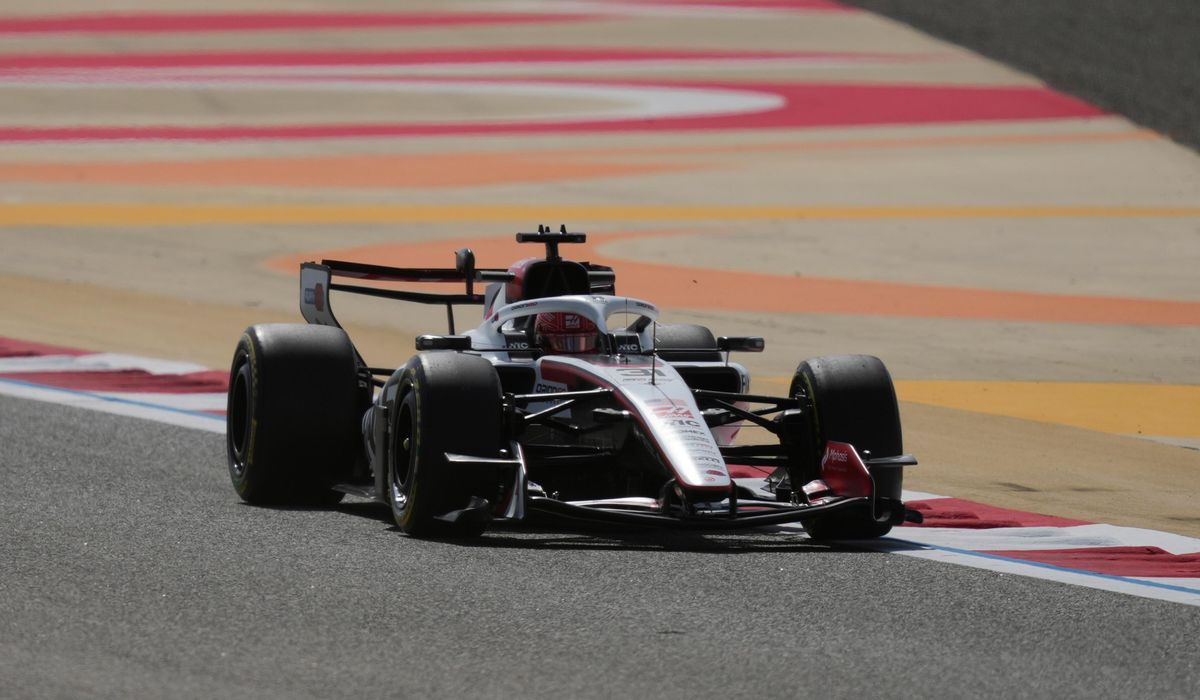
Formula 1 testing kicked off in Bahrain on Wednesday, with all the top teams using the track to evaluate cars, parts and personnel as they prepare for the new season.
Formula 1 testing began in Bahrain on Wednesday as preparations for the new season gather pace. The circuit offered a controlled environment for teams to run engines, collect data and get drivers comfortable after the winter break. Early laps were about baseline checks and making sure nothing obvious was broken before more aggressive programs begin. Engineers focused on systems integration and basic reliability rather than headline lap times.
Most teams split their programs between long runs to simulate race stints and short runs that mimic qualifying trim. Long runs revealed how tyres age under different fuel loads and temperatures, while short runs helped with aero balance for peak performance. Teams also used testing to validate new suspension settings and cooling layouts that arrived over the winter. The aim was steady, repeatable information rather than flashy numbers on the screen.
There was a steady flow of different drivers taking turns in each cockpit, with seasoned racers alternating with rookies and reserve drivers. That rotation gives teams more seat time to compare feedback from varying driving styles and to evaluate ergonomics. Young drivers are using the opportunity to learn the procedures of an F1 weekend and to feed engineers precise notes. Every lap adds to the database that guides setup choices later in the year.
On the engineering side, wind tunnel notes from the off-season surfaced in small, targeted aero tweaks rather than sweeping redesigns. Teams focused on refining wing profiles, bargeboard details and turning vanes to find cleaner airflow through the floor. Mechanical packages saw attention too, with gearbox and braking systems monitored closely for wear patterns. Power unit units completed reliability runs while teams tracked temperatures and fuel-consumption curves.
Telemetry filled the pit lane as engineers dissected every sensor stream, looking for trends across multiple sessions. Lap times are only one piece of the puzzle; fuel burn, tyre degradation and component temperatures matter more at this stage. The data builds a narrative about how each car behaves under different loads and at various times of day. That narrative then informs decisions about which parts to keep and which to revise before the season opener.
Pit stops and crew choreography were also high on the list, with teams running practice stop cycles to sharpen timing and coordination. Those drills are crucial because a fraction of a second in the pit lane can decide track position. Mechanics rehearsed jack timing, wheel changes and communications under simulated pressure to cut mistakes. Consistency in the pits is as valuable as outright pace once the lights go out in the race.
Track conditions in Bahrain gave engineers a predictable surface, so teams could compare data without worrying about changing tarmac grip. Temperatures and wind patterns were monitored because they influence tyre performance and cooling efficiency. Even small crosswinds or a shift in ambient temperature can change a setup baseline, so teams logged environmental readings alongside lap data. That helps when translating test numbers into race strategy once the calendar moves on.
The paddock had a focused, businesslike feel, with designers, aerodynamicists and strategists exchanging observations between runs. Conversations ranged from brake cooling trade-offs to how tyre compounds performed under long-haul runs. Media presence was steady but the emphasis remained on engineering work rather than publicity. Teams kept their immediate objectives tight: validate components, protect reliability and build a clear engineering picture before pushing for outright speed.
Across the test sessions, the emphasis stayed on controlled development and incremental gains rather than headline-setting laps. Engineers will continue to sift through the telemetry and decide what to take forward when cars head back to the factories. Teams plan further test stints before the season begins, each day adding clarity to how the field will stack up once racing starts. Practice continues tomorrow with another round of evaluations and updates on the timing monitors.

