

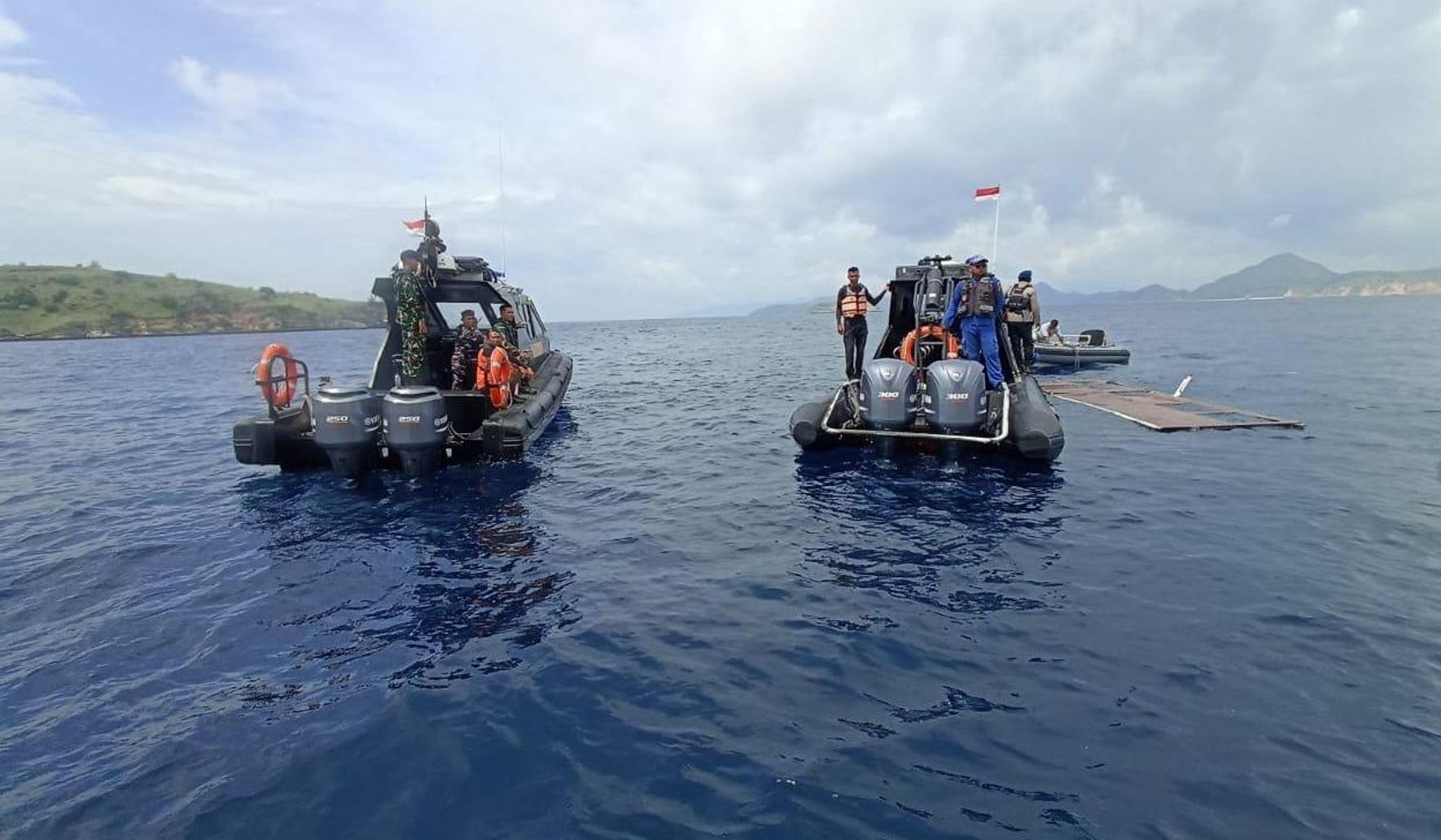
Indonesian rescuers continued searching after a tour boat carrying 11 people sank overnight near Padar Island in Komodo National Park, and four members of a Spanish family remained missing.
Rescue teams from Indonesia mounted a search operation following the overnight sinking of a tour boat close to Padar Island, a well known spot inside Komodo National Park. Authorities reported the tour boat had 11 people on board, and rescuers focused on locating four members of a Spanish family who did not immediately surface. Boats, crews and local responders worked through the day and into the night to cover likely drift and debris areas.
The landscape around Padar Island is dramatic but can be unforgiving, with steep shorelines and strong currents that challenge even experienced mariners. Komodo National Park draws people for its vistas and wildlife, but the same marine features that create stunning views can make rescues difficult. Visibility, tide shifts and underwater topography all complicate search efforts when a vessel goes down near those shores.
Search operations typically combine government rescue teams, park staff and nearby vessels in an effort to sweep a wide area quickly, and that coordination was visible after the sinking. Rescuers worked to locate any survivors, check life rafts and debris fields, and relay real-time information between boats to avoid overlap. Given the number of people involved, teams prioritized confirming who had been rescued and who remained unaccounted for.
Tour boats in the region vary in size and capability, and incidents like this highlight how rapidly a routine trip can turn into an emergency. Visitors often travel to island chains in the region for short excursions, snorkeling and photos, and many operators run tight schedules to meet demand. When conditions worsen unexpectedly, the mix of small craft and heavy tourist traffic can expose weaknesses in safety margins.
Padar Island is a magnet for international visitors, and incidents near popular attractions draw swift attention from the tourism community and local authorities alike. Emergency responses aim to be rapid not only to save lives but also to provide timely information to worried relatives and the public. For families involved, the hours after a sinking are chaotic, with officials trying to confirm manifests and reconcile who was safe and who was missing.
Weather, sea state and equipment reliability all play into how a maritime emergency unfolds, and investigators typically look at multiple factors after the immediate search phase. That process includes checking flotation gear, asking operators about maintenance and reviewing the sequence of events that led to the sinking. Meanwhile, medical teams prepare to treat hypothermia, shock and other conditions that survivors may suffer after time in the water.
The incident also raises questions about oversight in busy marine tourism zones, where demand can outpace safety standards at times. Park managers and maritime authorities often balance conservation goals, visitor access and commercial operations, and incidents prompt renewed attention to rules, inspections and training. Local economies depend on steady tourist traffic, so responses must protect both public safety and the livelihoods that rely on predictable, secure operations.
Communities in and around Komodo National Park are typically involved quickly in rescue and recovery, with fishermen and boat operators lending knowledge of currents and local hazards. That local expertise can be crucial during the first hours after a sinking, when search teams are trying to narrow the most likely areas for survivors. As the operation continued, teams documented debris and coordinated with larger assets to extend the search range beyond immediate shorelines.
Authorities continued searching and assessing the situation while attempting to piece together the events that led to the vessel sinking, focusing on rescue, recovery and care for those affected. The focus remained on locating the four members of the Spanish family who were still missing and on supporting survivors and their companions. As the search moved forward, officials and local responders kept traffic in the area under watch so teams could operate without interference.

