

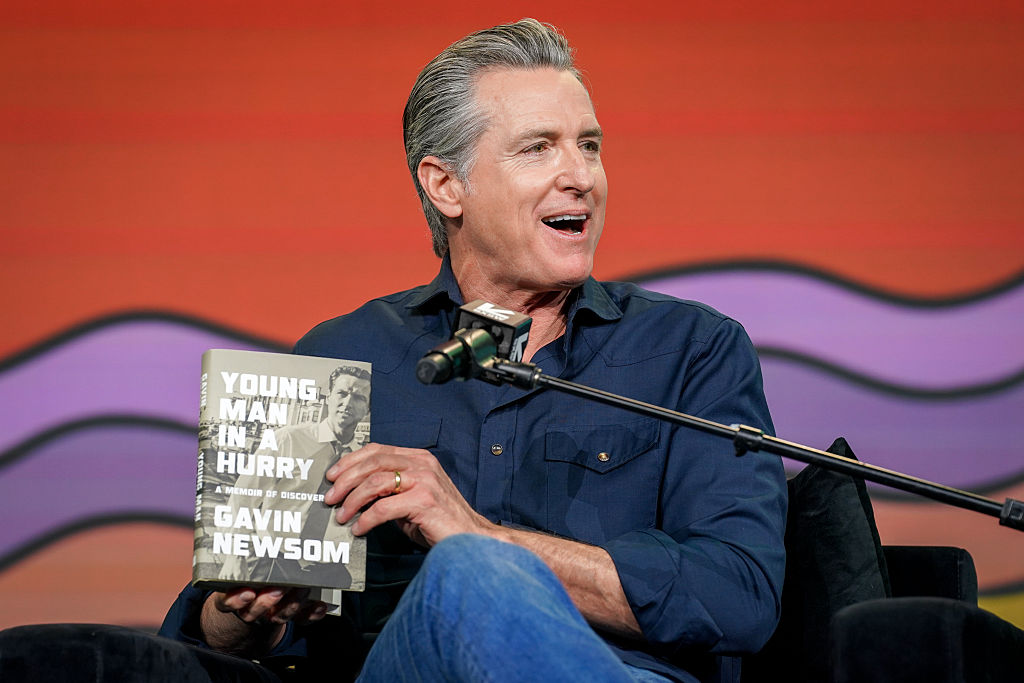
Gavin Newsom reportedly spent $1.5 million buying his own memoir, a move that has prompted sharp questions about motive, optics, and whether it signals a wider political play.
California’s governor paid a striking sum to acquire copies of his own book, and that purchase did not go unnoticed. The timing and scale of the buy have created immediate speculation about whether this is a routine marketing spend or the opening salvo of a national campaign. The figure in question — $1.5 million — is both precise and eyebrow-raising.
Purchasing books is nothing new, but why did the Golden State governor spend so much? That line captures the odd mix of the mundane and the theatrical in this story. On the surface it looks like a standard effort to boost sales, but the scale makes it look political. Republicans and independents are raising questions about intent and transparency.
Buying thousands of copies to inflate bestseller lists is a known tactic in publishing circles, and the numbers here are hard to ignore. At $1.5 million, the purchase would have covered a massive volume of books or a hefty promotional campaign. Observers who follow political launches say campaigns often bend toward theatrics when a national run is being tested.
From a Republican perspective this kind of expenditure reads like a prepackaged image push. The state’s finances and priorities are already a hot-button topic, and lavish personal promotion while California faces real challenges will not play well with many voters. Fiscal prudence is a consistent theme in conservative messaging, and this story hands that talking point a fresh, concrete example.
There’s also the practical side: buying bulk copies only works if they reach real readers and influence opinion. Paid purchases can create headlines and social media chatter, but they do not guarantee meaningful engagement or goodwill. If the goal is to set up a national identity for a presidential run, critics will argue that authentic voter contact matters more than metric-driven optics.
Timing matters in politics, and this reported spend came at a moment when many were watching for any hint of a long-shot White House bid. Newsom remains a high-profile governor with name recognition and fundraising ability, so speculative steps toward a national footprint generate intense scrutiny. Republicans see the move as a test balloon that deserves forceful pushback on substance over style.
There’s another practical angle: who paid and how was the purchase structured. Campaigns, allied PACs, or private donors can be involved in these kinds of buys, and each arrangement carries legal and ethical implications. Opponents will press for clarity about funding sources and whether any rules were bent to create a desired headline.
Beyond dollars and disclosure, the optics cut both ways. Supporters could say the buy was a savvy use of resources to build a narrative and shape a brand. Detractors will say it shows a tone-deaf prioritization that puts image before the day-to-day needs of Californians. For conservatives, the latter argument ties directly into broader critiques of governance and priorities in Sacramento.
Politically speaking, the maneuver also invites comparisons to other politicians who used media and self-promotion to jumpstart national runs. Those comparisons help frame the story: this is less about literature and more about ladder-climbing. Asking whether a governor’s big media buys are the start of a presidential campaign is a fair and relevant question in a competitive political environment.
Accountability and transparency are the core asks from critics right now. People want to know if public officials are using private wealth and campaign structures to manufacture influence. Republicans emphasize straightforward rules and clear lines between personal promotion and campaign activity, and this episode dovetails with that message.
Whatever the final interpretation, the $1.5 million number will stick and shape narratives going forward. It’s a concrete detail opponents can use to argue a larger point about priorities and political theater. For voters watching national politics, this paid buy is a clear signal to look closer at motives, funding, and what comes next in the governor’s public playbook.

