

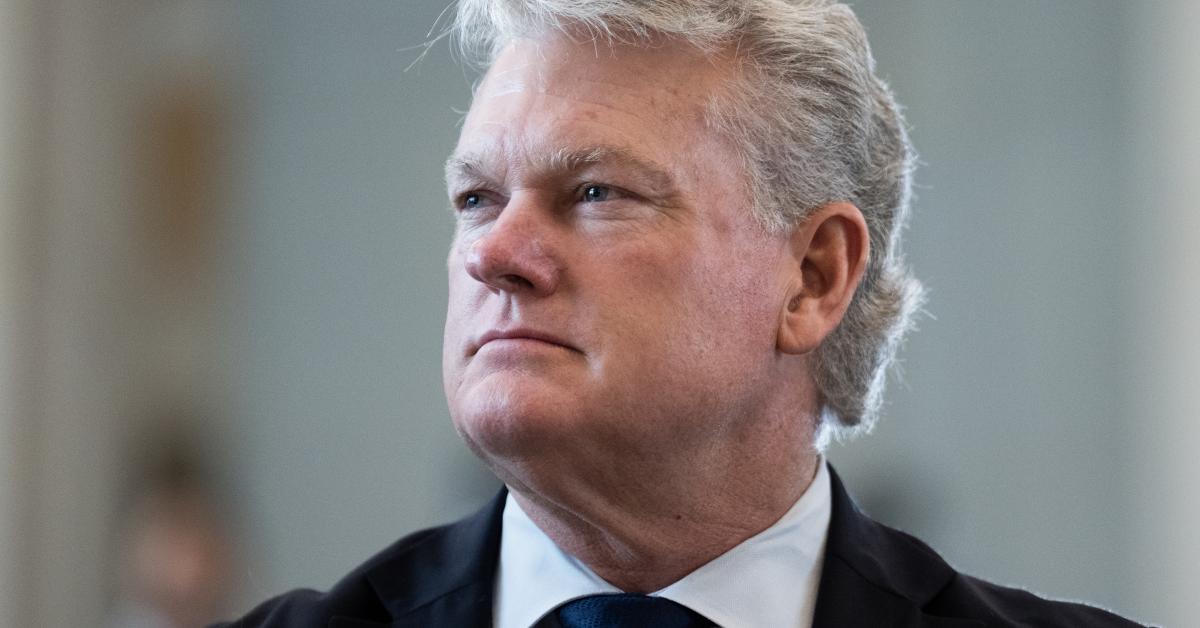
Georgia Republican Representative Mike Collins has officially thrown his hat in the ring for the 2026 GOP primary with the aim to unseat Democratic Senator Jon Ossoff. Collins is setting himself up against fellow Republican Buddy Carter, while whispers suggest that former University of Tennessee football coach Derek Dooley might also join the race. In a YouTube announcement, Collins made his position clear, saying, “I don’t know who Jon Ossoff really works for, but it sure as heck isn’t Georgia.”
Collins is not just campaigning; he’s rallying for a cause. He wants to bring a fresh perspective to the Senate, one that aligns with Trump’s ‘America First’ agenda. “It’s time to send a trucker to the U.S. Senate,” he declared, emphasizing his readiness to “steamroll the radical left” and put Georgians “back in the driver’s seat.”
Governor Brian Kemp, meanwhile, has made it known that he won’t be running for the Senate. He has, however, been in talks with President Trump about finding a preferred candidate. Kemp has already voiced his support for Dooley, but Trump remains undecided on where his endorsement will land.
Georgia’s Senate landscape changed significantly after the 2020 election, with both seats now occupied by Democrats Ossoff and Raphael Warnock. This marked the first time since 2002 that the state had two Democratic senators. Collins, however, is determined to shift the balance back, branding himself a “MAGA workhorse.”
Collins has gained attention during his time in Congress, particularly for his role in passing the Laken Riley Act. This law mandates that U.S. Immigration and Customs Enforcement detain illegal immigrants charged with theft. The legislation was inspired by the tragic murder of Georgia nursing student Riley, who was killed by an illegal immigrant from Venezuela.
In his campaign, Collins is leaning heavily on his tough stance on immigration and crime. He believes that his policies resonate with the concerns of everyday Georgians. His approach is simple: put the interests of the people first and ensure their safety and prosperity.
Buddy Carter, Collins’ primary opponent, is also a well-known figure in Georgia politics. Carter has been serving in Congress since 2015 and has built a reputation as a staunch conservative. With these two heavyweights in the race, the GOP primary is expected to be fiercely contested.
Derek Dooley, if he enters the race, will bring a different flavor to the competition. Known for his football coaching career, Dooley could appeal to voters looking for a fresh face and perspective. His entry would add another layer of complexity to an already intriguing race.
The dynamics between Kemp’s support for Dooley and Trump’s undecided stance could play a significant role in shaping the primary. Both Kemp and Trump wield considerable influence in Georgia’s Republican circles. Their endorsements could sway public opinion and campaign momentum.
Ossoff’s tenure, meanwhile, faces scrutiny from Collins and his supporters. Collins argues that Ossoff has not adequately represented Georgia’s interests in the Senate. This criticism forms a core part of Collins’ campaign narrative.
The race for Georgia’s Senate seat is more than just a political contest; it’s a battle over the future direction of the state. With key figures like Kemp and Trump involved, the Republican primary is set to capture national attention. Georgians will be closely watching how this political drama unfolds.
At the heart of Collins’ campaign is a promise to uphold conservative values. He believes that this approach will resonate with voters who feel left out by the current political climate. The upcoming primary is shaping up to be a pivotal moment for Georgia’s GOP.
As the primary heats up, each candidate will need to clearly define their vision for Georgia. Voters will be looking for leadership that aligns with their values and aspirations. The candidate who can convincingly articulate this vision will likely gain the upper hand.
The political landscape in Georgia has been shifting, and the 2026 Senate race will be a critical test of these changes. Republican candidates will need to address both traditional conservative concerns and new challenges facing the state. The outcome could have lasting implications for Georgia and beyond.

