

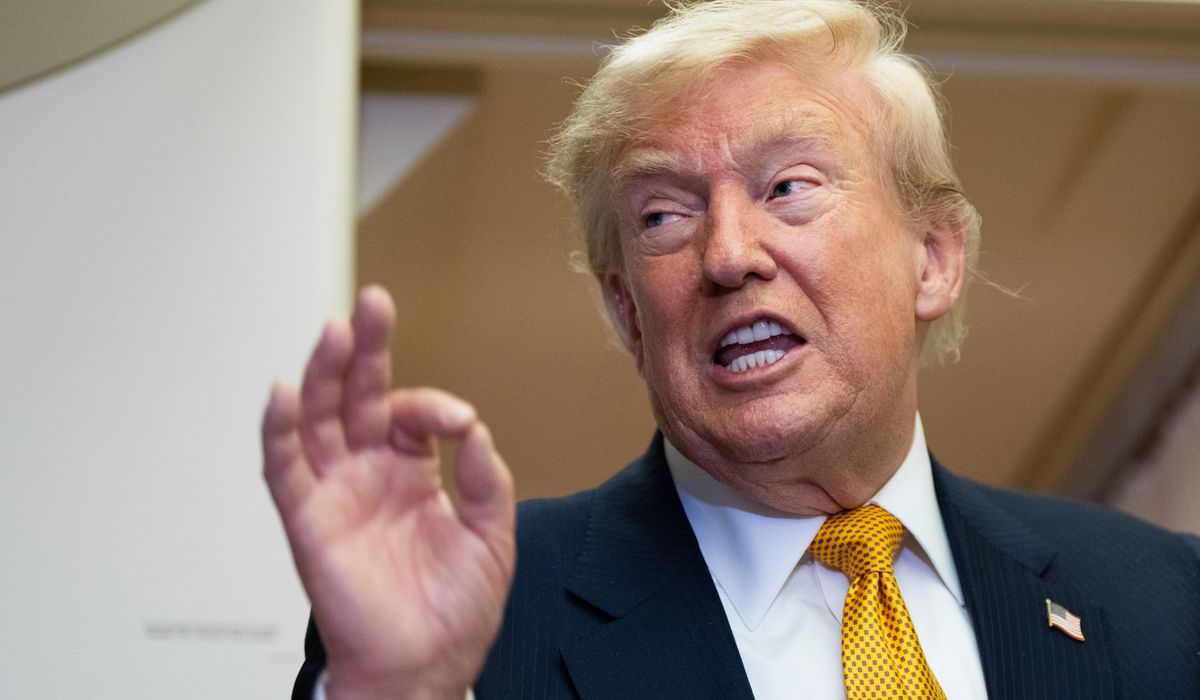
Despite some high-profile setbacks, President Trump had a largely successful year at the Supreme Court, a former Justice Department civil litigation expert said, pointing to major victories for the Wh
Judicial wins matter because they shape law for decades, and this past term showed how appointments and arguments can tilt the scales. The former Justice Department civil litigation expert said the Supreme Court delivered significant rulings that favored the White House and conservative legal principles. For Republicans who value restraint on federal power, those outcomes felt like long overdue corrections.
One clear thread was a rollback of expansive administrative authority, where the Court pushed back on agencies writing policy without clear congressional direction. That shift reduces the ability of regulators to remake law through bureaucratic rulemaking. It also reasserts the role of elected lawmakers in deciding major policy questions.
On presidential authority, the Court’s posture signaled respect for separation of powers and the constitutional duties of the executive. Judges showed a willingness to preserve core executive functions against broad challenges that would have left the presidency hobbled. For conservative legal thinkers, that reinforced a unitary executive model that keeps accountability where voters can see it.
Religious liberty and free exercise claims also fared better in key opinions, giving faith-based organizations firmer footing when laws intersect with conscience. That outcome aligns with a larger conservative view that the state should not unduly burden religious practice. It also reassures institutions that their convictions remain protected under the First Amendment.
Second Amendment perspectives gained traction as the Court interpreted individual rights with renewed clarity, rejecting expansive limits that had drifted from the Constitution’s original protections. That approach restores a balance between legitimate public-safety aims and the right of law-abiding citizens to bear arms. For many voters, those rulings represent meaningful defense of individual liberty.
The Court’s decisions also had practical effects on business and regulatory stability by narrowing vague standards that had left companies guessing. Greater predictability in the law reduces litigation risk and encourages investment when rules are clear. Conservative legal strategy often emphasizes predictable rules over shifting administrative fiat, and the justices delivered on that principle.
Courtroom tactics mattered too, with the White House and allied attorneys framing issues around statutory text and constitutional structure rather than purely political claims. That legal posture resonated with a bench inclined to favor text and history. Winning at the Supreme Court thus required both the right judges and the right arguments, and the combination paid off.
Electoral controversies and high-profile cases created headlines, but on substance the term advanced a conservative vision of limited government, individual rights, and respect for institutional boundaries. Those outcomes will shape future disputes and guide lower courts for years. For Republicans watching the judiciary as a battleground, this term felt like progress toward a more restrained, constitution-focused jurisprudence.

