

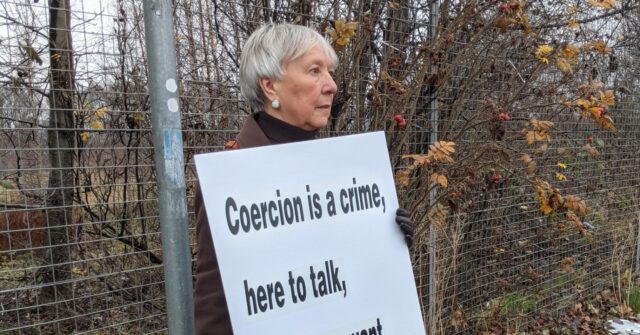
Grandmother Arrested Near Glasgow Hospital Over Pro-Life Sign
A 75-year-old grandmother was arrested near a Glasgow hospital for holding a sign offering to talk to women considering an abortion. The image of an elderly woman quietly standing with a sign sparked immediate debate about free speech, protest zones, and how authorities handle sensitive spaces. People across the political spectrum took note, but the response from those who prioritize individual liberty has been particularly sharp.
The arrest raises basic questions about the balance between compassionate outreach and the rules that govern hospital grounds. On one hand you have someone offering a conversation to women in distress, on the other hand you have institutions and local officials determined to maintain order and patient privacy. That tension is easy to understand, even if opinions about how to resolve it are not.
Context and Concerns
In recent years many cities have adopted buffer zones around clinics to prevent intimidation and ensure safe access to healthcare services. Supporters say the zones protect patients from harassment and potential confrontations, while critics warn that broad or vague rules can chill genuine, peaceful outreach. The case of an elderly woman holding a sign illustrates how messy that conflict can get when enforcement meets human complexity.
It is worth noting the optics here. A grandmother, not a militant activist, arrested for a sign sounds extreme to many people who value free expression. That reaction is not just sentimental. It reflects a deeper unease about expanding state power into everyday civic space where speech has traditionally been allowed.
There are legitimate reasons for hospitals to regulate certain behaviors near entrances, such as maintaining patient safety and preventing obstruction. Yet enforcement must be sensible and proportionate, especially when the person involved poses no threat and aims to offer support. Overreach undermines trust in institutions that should be neutral caretakers of public life.
From a Republican viewpoint the central concern is clear: protecting freedom of speech and conscience matters, even in uncomfortable cases. Laws that are vague or that give officials too much discretion can be used in ways that silence people with peaceful messages. This case puts that possibility in stark relief.
At the same time conservatives who care about limited government tend to respect reasonable time and place restrictions when they are narrowly drawn and consistently applied. The problem comes when restrictions become blunt instruments used in situations that do not clearly threaten public order or safety. Arresting a 75-year-old woman for standing with a sign looks like a blunt instrument being swung without careful thought.
Practical lessons should follow from this incident. First, authorities should explain the legal basis for any arrest clearly and publicly. Vague justifications breed suspicion that policy, not public safety, drove the action. Citizens deserve straightforward answers when their liberties are curtailed.
Second, lawmakers should revisit the wording of any buffer zone or protest regulation to ensure it targets real harms and not peaceful speech. Courts often strike down overbroad rules, especially when they sweep up nonviolent expression. Clear, narrowly tailored laws are easier to defend and less likely to create unnecessary confrontations.
Third, advocates on all sides should focus on de-escalation and respectful dialogue. If the woman truly wanted to offer a listening ear to women in crisis, there are humane ways to make that known without interfering with clinic access or provoking confrontation. Similarly, clinics and local authorities can create clear signage and outreach so patients know where to go without encountering distressing scenes.
Behind the headline is a human story that gets lost in the noise. A 75-year-old grandmother arrested near a Glasgow hospital for holding a sign offering to talk to women considering an abortion may have had simple motives, but the situation spiraled into a legal and political flashpoint. Respecting both the dignity of the individual and the needs of patients requires nuance, not heavy-handedness.
Public debate should not be a cover for silencing dissent. People have the right to express moral convictions in public places so long as they do not coerce or threaten others. When that right is curtailed, the burden falls on authorities to justify their actions in precise terms and to show that their response was proportional.
Finally, this episode is a reminder that policy is not just about abstract principles but about real people. Decisions about enforcement, lawmaking, and public order will always affect individuals in sometimes surprising ways. Thoughtful, restrained approaches are the best way to honor both free expression and the needs of vulnerable people seeking care.
No matter your view on abortion, most Americans can agree on holding institutions accountable for how they manage protests and protect civil liberties. A transparent review into why an elderly woman was arrested, and whether alternatives could have been employed, would go a long way toward restoring public confidence. That is the responsible path forward for a society that values liberty and compassion together.
n
h/t: Breitbart
n

