

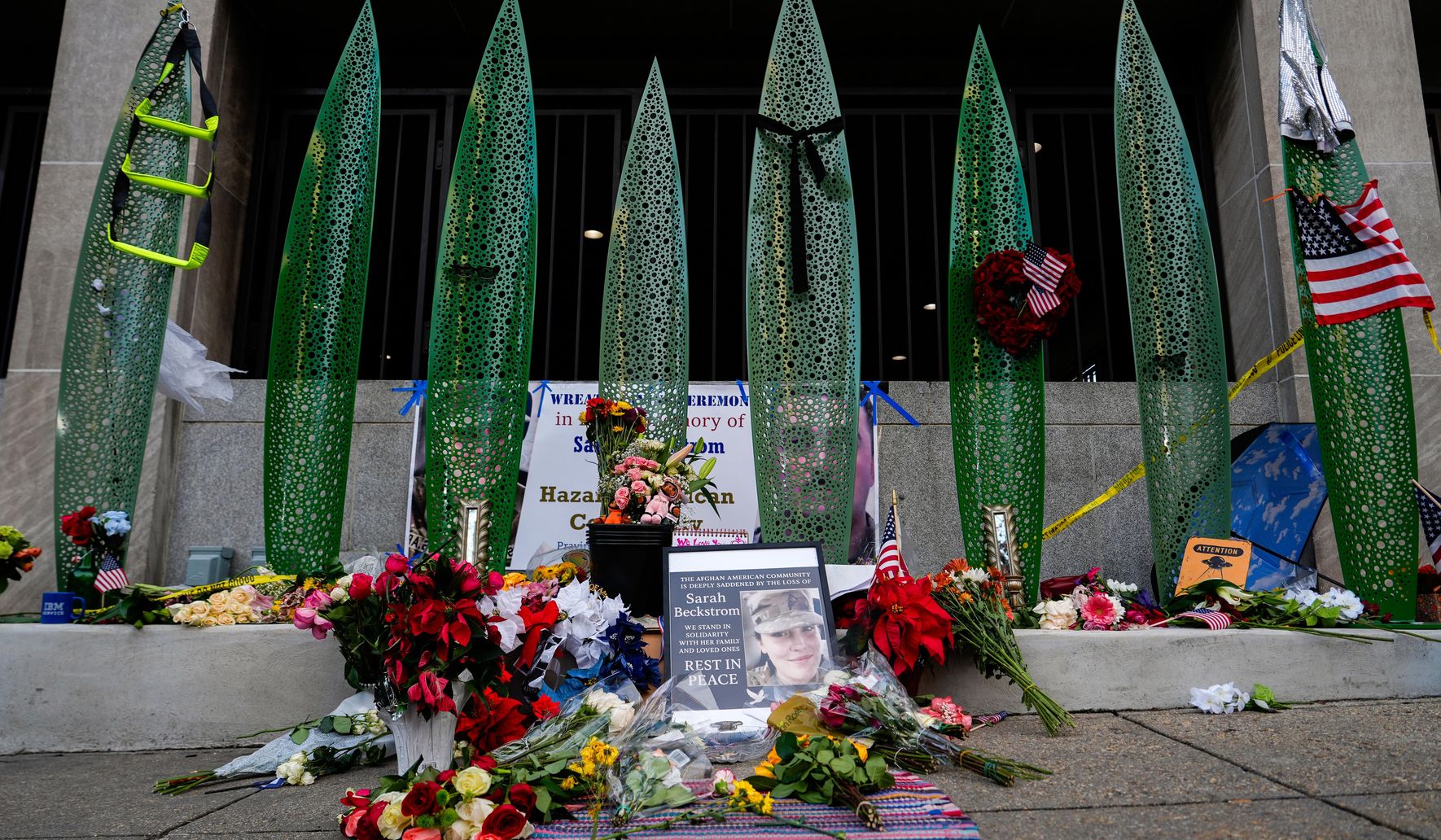
The West Virginia National Guard member who survived last week’s shooting in Washington is slowly healing, West Virginia’s governor said Friday. The injured service member is receiving care and support while officials monitor recovery and review what happened. State leaders are stressing support for troops and insisting on stronger protections for those who serve.
The service member was on duty in Washington during last week’s attack and was hurt in the line of duty. Medical teams moved quickly and provided lifesaving treatment at the scene before transfer to a higher level of care. Family members and fellow Guardsmen have gathered around to offer support and prayers.
Officials have been cautious with details to protect privacy and the integrity of any ongoing investigations. Investigators continue to piece together what led to the violence and whether any security gaps played a role. That work includes reviewing timelines, communications, and on-site responses.
West Virginia’s governor spoke publicly to update residents and emphasize state support for the injured Guard member. The governor reiterated that the service member “is slowly healing” and that the state would provide whatever care is needed. Those comments aimed to reassure both the family and the broader National Guard community.
Local and federal authorities are coordinating in this case, which is standard when incidents occur in the capital. Coordination helps ensure that medical, investigative, and legal needs are all addressed promptly. It also keeps lines of communication open between the state and federal agencies handling security in Washington.
Fellow Guardsmen have described a tight-knit unit that rallies around its own during crises. That esprit de corps matters on the ground when someone is injured and morale needs bolstering. Units have organized visits, messages, and practical help for the wounded member and family.
Medical personnel involved in the response praised the swift action that stabilized the service member. Quick medical intervention often makes the difference between long-term disability and a solid recovery. Military and civilian trauma teams are experienced with battlefield-style injuries and apply those skills in these situations.
Politically, this incident has drawn attention to broader questions about safety for military personnel assigned to public duty. From a Republican viewpoint, protecting those who protect us is a primary responsibility of government at every level. That means ensuring rules, resources, and training are in place to prevent and respond to attacks.
State leaders are calling for a review of protocols that govern National Guard deployments in high-visibility settings. They want to know whether equipment, staffing, or procedures need updating to match current threat levels. The goal is to reduce risk and make sure every Guardsman returns home safely after duty.
There is also focus on mental health care for the unit, not just physical recovery for the injured member. Traumatic events ripple through teams and families, and timely counseling can prevent longer-term problems. The Guard’s behavioral health resources are being made available to anyone affected.
Community response has been swift, with local organizations and churches offering support and services. Small gestures like meals, logistical help, and organized fundraisers have helped the family manage practical burdens. These grassroots efforts reflect a deep respect for service across the state.
At the same time, lawmakers are re-examining whether elected officials have done enough to back law enforcement and military readiness. The debate centers on funding, rules of engagement, and the authority needed to keep personnel safe while performing civic duties. Republican voices in the conversation stress accountability and practical fixes over partisan posturing.
Military leaders stress that while no plan makes a unit impervious to violence, preparedness and training reduce casualties. Simulations, equipment upgrades, and clear command structures all contribute to effectiveness during crises. Investing in these areas is framed as a commonsense priority for both state and national security.
The family of the wounded Guard member has asked for privacy as recovery continues, and officials are honoring that request. Public statements have intentionally avoided naming the individual to protect the family’s wishes. That discretion helps the patient concentrate on healing without media pressure.
Legal proceedings and any criminal cases tied to the shooting will follow due process and likely involve federal prosecutors given the location. Those proceedings aim to establish accountability and clarify any failings that may have contributed to the event. Republicans advocating for tough but fair enforcement say the law should be applied swiftly and transparently.
Meanwhile, the Guardsman’s colleagues are organizing to keep routine missions on schedule while addressing morale and tactical concerns. They are balancing day-to-day duties with additional training and briefings prompted by the incident. That steady approach keeps public services running and shows resilience in the face of danger.
As the injured service member continues medical recovery, the state and nation are watching carefully and offering support. Officials emphasize tangible steps to protect service members and to learn from this attack. The focus remains on healing, accountability, and ensuring those who serve are safer in the future.

