

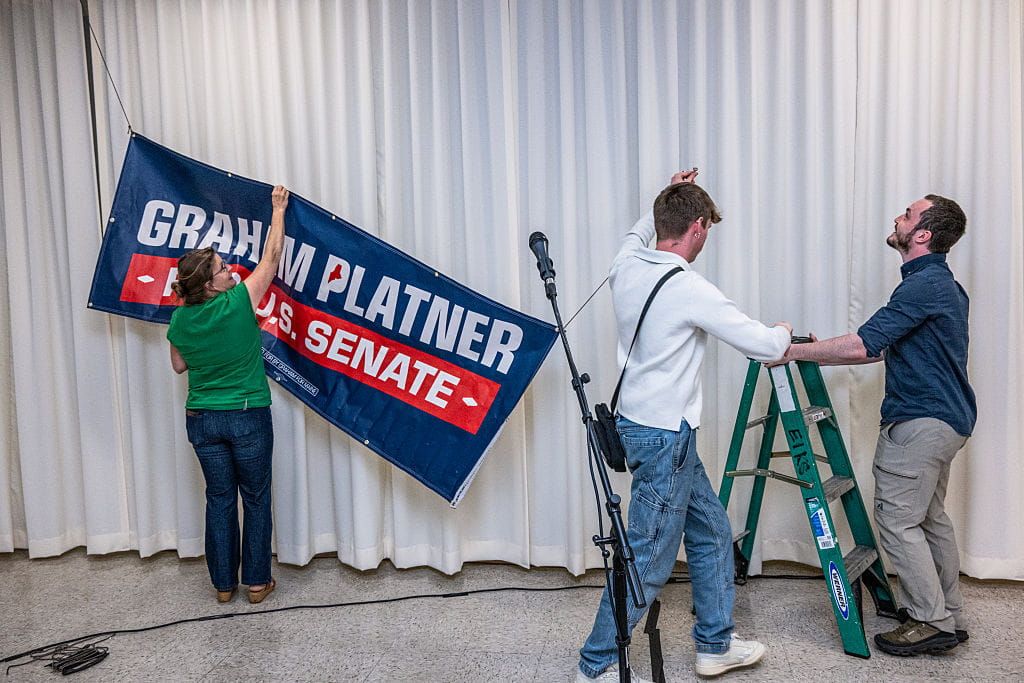
The recent collapse of Graham Platner’s Maine Senate bid has exposed serious flaws in how parties screen candidates, from rushed background checks to missed red flags that left voters blindsided.
Graham Platner abruptly suspended his Senate campaign after a series of explosive allegations emerged, including an alleged rape and other deeply troubling personal revelations. Reports say the campaign’s vetting failed to catch a Nazi tattoo and disturbing sexual behavior until those issues became public. The fallout has raised hard questions about who is doing the checking and what standards they are using.
According to sources, Platner’s background check reportedly cost $6,250 and was completed in three days, a fraction of the time and money many campaigns spend on due diligence. The work was largely handled through Democratic strategist Dan Moraff, and observers say the effort seemed to prioritize ideological fit over character assessment. That approach left glaring blind spots that later became political catastrophes.
The background check did flag troubling online activity, including Reddit posts that disparaged military personnel, signaled sympathy for political violence and socialism, and referenced past encounters involving prostitution and drugs. Yet it missed the most damaging elements that would define the campaign’s narrative once unearthed. When these details surfaced, they made the candidacy untenable in the court of public opinion.
Platner, who served in the military, sought to explain away some of his rhetoric as a product of trauma from his service. When the posts first surfaced, Moraff told Platner that “none of this will or should stop you from becoming a US senator.” That response, rather than prompting a deeper look or pause, illustrated a tolerance for behavior many voters would find unacceptable.
“If what the voters wanted were people who were grown in vats and had never done or said anything that they might regret their entire lives, we’d have a very different country,” Moraff insisted. “Part of our thesis here is that people do not want their candidates grown in vats. They want people who are real human beings and they want people who do not look and sound like the lab grown people who’ve been leading this country off a cliff.”
Moraff’s argument pushes a blunt choice: a raw, imperfect candidate who speaks like a regular person versus a polished, almost manufactured figure. That pitch might resonate in theory, but in practice it ignores obvious limits. Voters can accept flaws, but they also expect transparency and honest assessment when serious allegations surface.
This episode highlights a broader, bipartisan failure when vetting is treated as a checkbox rather than a responsibility to the electorate. The point of vetting is not merely to find ideological clones but to ensure candidates can withstand scrutiny and represent their constituents with credibility. When parties rush the process, the result is chaos that disrespects voters and jeopardizes campaigns.
Republicans have their share of vetting regrets as well, and the memory of 2008’s vice-presidential shakeup still lingers. “One of the mistakes we made in the [Sarah] Palin process was one of assumptions,” said former McCain aide Steve Schmidt after the McCain-Palin loss to Barack Obama. That candid admission underscores how assumptions and shortcuts can backfire for any party.
The Platner case also raises practical questions about who is paid to dig and what they are paid to find. A three-day, $6,250 sweep that misses major disqualifiers suggests either incompetence or a narrow scope designed to avoid hard truths. Either explanation is troubling because it implies party operatives valued expediency or ideological alignment over voter interests.
For campaigns, the lesson is simple in principle: vet thoroughly, document findings, and be candid with voters about risks. For parties, it should be unacceptable to gamble a seat on a candidate who hasn’t been fully cleared of serious inconsistencies or allegations. Voters deserve better than last-minute surprises that force them to choose between credibility and chaos.
The political class must treat vetting as a duty, not a courtesy. Cutting corners is an insult to people who show up at the ballot box expecting judgment and competence, not excuses and spin. If parties want the public’s trust, they need to show they actually earned it through rigorous, honest screening of the people they nominate.


2 Comments
The ONLY thing democrat vetting is concerned about is power.
They don’t care how evil or perverted their candidate is as long as they gain more power
If only they had some hint, that he was not a good guy.