

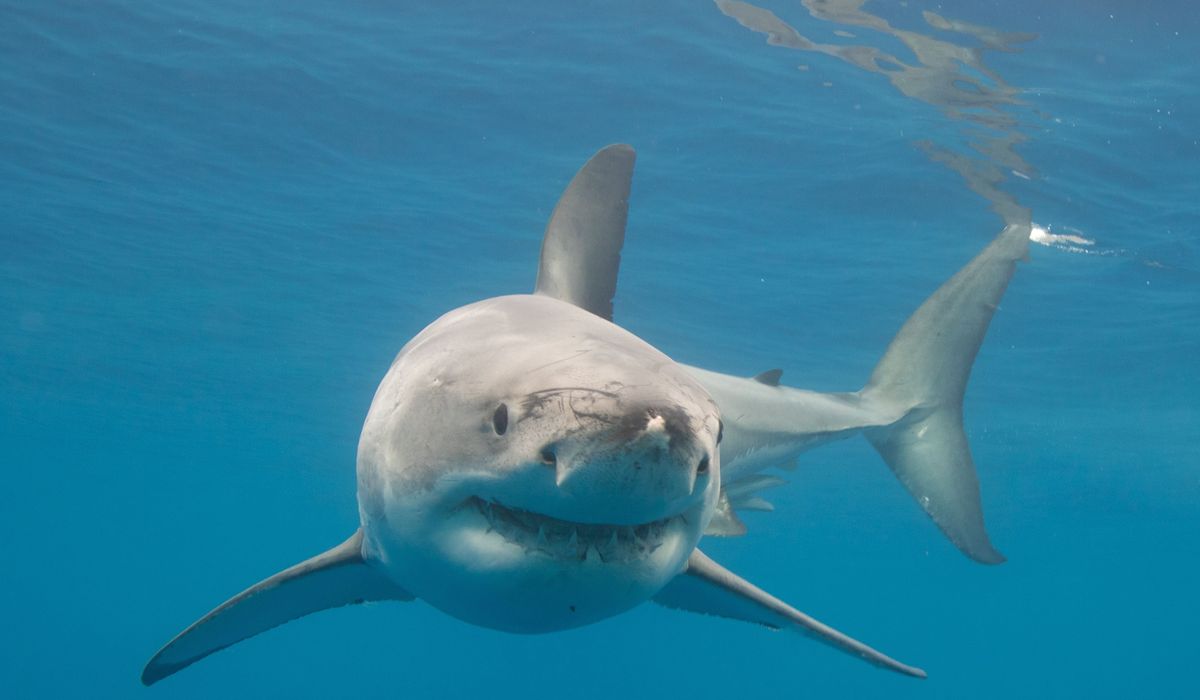
A great white grabbed a lifeguard’s rescue gear off Maine and pulled him underwater, sparking a fast, tense response and fresh questions about ocean safety.
“A great white shark off the coast of Maine bit the rescue device attached to a 71-year-old lifeguard and pulled the man underwater over the weekend.” The scene unfolded near popular coastal waters and drew immediate attention from fellow beachgoers. Emergency responders and onlookers were quickly on alert as the incident played out.
The lifeguard’s age and role were prominent details in early reports, and the incident highlighted how unpredictable marine encounters can be. Officials have been tight-lipped about the man’s current condition while assessments continue. Local authorities are reviewing what happened to understand the sequence of events.
Great white sightings have become more common in parts of New England, and that shift shows up in headlines when something goes wrong. Warmer waters and healthy seal populations are often mentioned as background factors in such stories. Still, encounters that turn physical remain rare and highly newsworthy.
Rescue gear is supposed to protect both swimmers and rescuers, but it can also attract attention in the water. Bright buoys, boards, and devices can register as an unfamiliar object to an inquisitive shark. That reality raises practical questions about the design and deployment of lifesaving equipment.
Lifeguards train for a range of emergencies, but animal interactions are harder to rehearse. Agencies typically emphasize quick extraction, coordinated response, and medical stabilization. How those protocols apply when a large predator is involved is something communities are examining now.
A 71-year-old lifeguard working in close contact with the ocean challenges assumptions about who serves on the front lines. Many coastal towns rely on a mix of full-time and volunteer personnel, and experience often matters more than age alone. Still, the episode has prompted talk about matching equipment and duties to individual capability.
Marine behavior experts say great whites are curious and cautious predators that sometimes bite unfamiliar items to investigate. Those investigative bites can be forceful enough to cause serious trouble if a person is attached to the object. Understanding that behavior helps frame safety planning without sensationalizing every sighting.
Beach managers now face the task of balancing access with safety, especially during high-traffic weekends. Notices, patrol patterns, and equipment choices all factor into on-the-ground decisions. Local communities will weigh those tools against the reality that the ocean is dynamic and risks can appear suddenly.
Investigators will piece together witness accounts, any available video, and the physical condition of the rescue device to build a clearer timeline. That work is important for learning whether changes are needed in training or gear. Authorities are expected to share findings when they can confirm facts.
Incidents like this tend to spotlight gear design and preventative measures that could reduce the chance of repeat events. Manufacturers and agencies often respond by reviewing materials, visibility, and attachment methods. Those conversations happen quietly but can result in practical, incremental improvements.
For residents and visitors alike, the immediate takeaway is to respect posted guidance and stay aware of local conditions. Lifeguards and first responders will continue to adapt as new information emerges from this and other incidents. The community will follow updates as officials complete their review and advise on any changes.

