

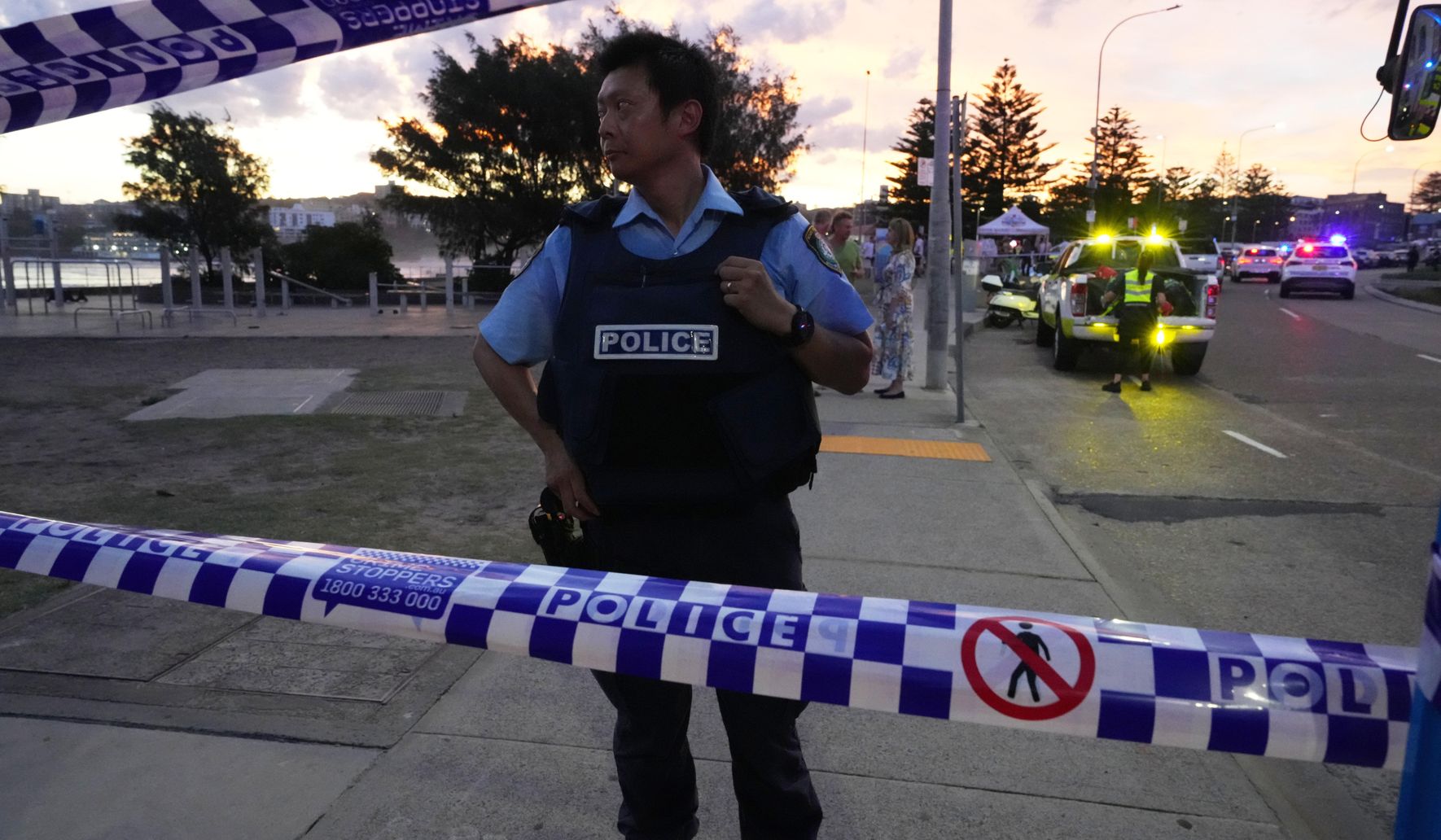
Gunmen killed 11 people and wounded dozens more in a shocking assault at a Hanukkah celebration on Bondi Beach in Sydney, Australia, on Sunday; this piece examines the attack, the immediate response, questions about motives and security, the community impact, and the policy implications moving forward.
Gunmen killed 11 people and wounded dozens more in a shocking assault at a Hanukkah celebration on Bondi Beach in Sydney, Australia, on Sunday, a violent act that stunned the nation and the world. Officials scrambled to secure the scene as emergency crews rushed victims to hospitals and witnesses described chaos and terror. Local authorities launched an intense manhunt and pledged to bring those responsible to justice. The scale and brazenness of the attack has left families and community leaders demanding answers.
Because this happened during a religious observance, it has been widely framed as an antisemitic assault, and that framing has shaped public outrage. Synagogues and Jewish community centers quickly heightened security, and leaders emphasized the need to protect religious minorities from targeted violence. Those on the ground described a scene of panic and grief as bystanders tried to help the wounded and accounted for loved ones. The emotional toll is deep and will take time to heal.
Law enforcement response was swift but raises tough questions about prevention and readiness in public spaces. Authorities reported rapid mobilization of specialized units and called for calm as investigations unfolded. There are reasonable demands for a full, transparent after-action review to see what could be improved. From a law-and-order perspective, the priority is clear: find the perpetrators and ensure they cannot strike again.
The attack also reignites debate over social policy and national security priorities. Many Republicans argue that such violence underscores the need for stronger border controls, tougher criminal sentencing, and better coordination between intelligence and local police. They see a connection between lax enforcement and emboldened extremists, insisting that the state must show firmness in defending vulnerable communities. That view calls for concrete policy changes rather than symbolic statements.
Community leaders are calling for solidarity without losing focus on practical protections. They want clear commitments to increase security at religious and cultural gatherings, and they want improved communications between police and community watchdogs. Survivors and families of the victims will need immediate support services, including counseling and legal help. Practical measures can blunt the long-term damage of trauma if officials move quickly and responsibly.
International reactions were swift, with governments condemning the massacre and offering assistance. The global Jewish community expressed shock and sorrow while urging vigilance everywhere Jews gather. This kind of international attention is important, but domestic policy changes will determine whether similar attacks become less likely. A measured but firm response at home will reassure both citizens and allies.
Media coverage has focused on graphic scenes and eyewitness accounts, but the policy conversation must not get lost amid breaking details. Reporters and commentators should prioritize verified facts and avoid speculation that could inflame tensions or spread misinformation. Public officials have a responsibility to lead with clarity and to avoid politicizing victims. Honest reporting and steady leadership help communities recover more quickly.
There will inevitably be calls for new laws and emergency measures, and legislators should weigh those carefully against civil liberties and practical enforcement capabilities. Republicans will push for measures that strengthen deterrence and punishment while improving intelligence-sharing and threat assessment. Any proposal must be actionable and enforceable, not merely performative. The goal should be to reduce risk and deliver tangible safety gains for all citizens.
For now, the immediate work is concrete: care for the injured, support grieving families, and complete a thorough investigation that brings perpetrators to account. As details come out, policymakers must translate lessons into better protection for religious minorities and public events. The community on Bondi Beach deserves a strong, effective response that prevents repeat tragedies. Leadership that combines compassion with decisive action will be the test of the nation’s resolve.


2 Comments
Not any of the photos released show anything new. This is just a deflection to take away from the good Trump is doing. The real criminals are the photos we HAVEN’T SEEN!!!
Yikes! The EVIL globalist baby raping cabal will be exposed! When oh when will these pedophile demons be held responsible for their heinous crimes against humanity & God’ INNOCENT!?!?