

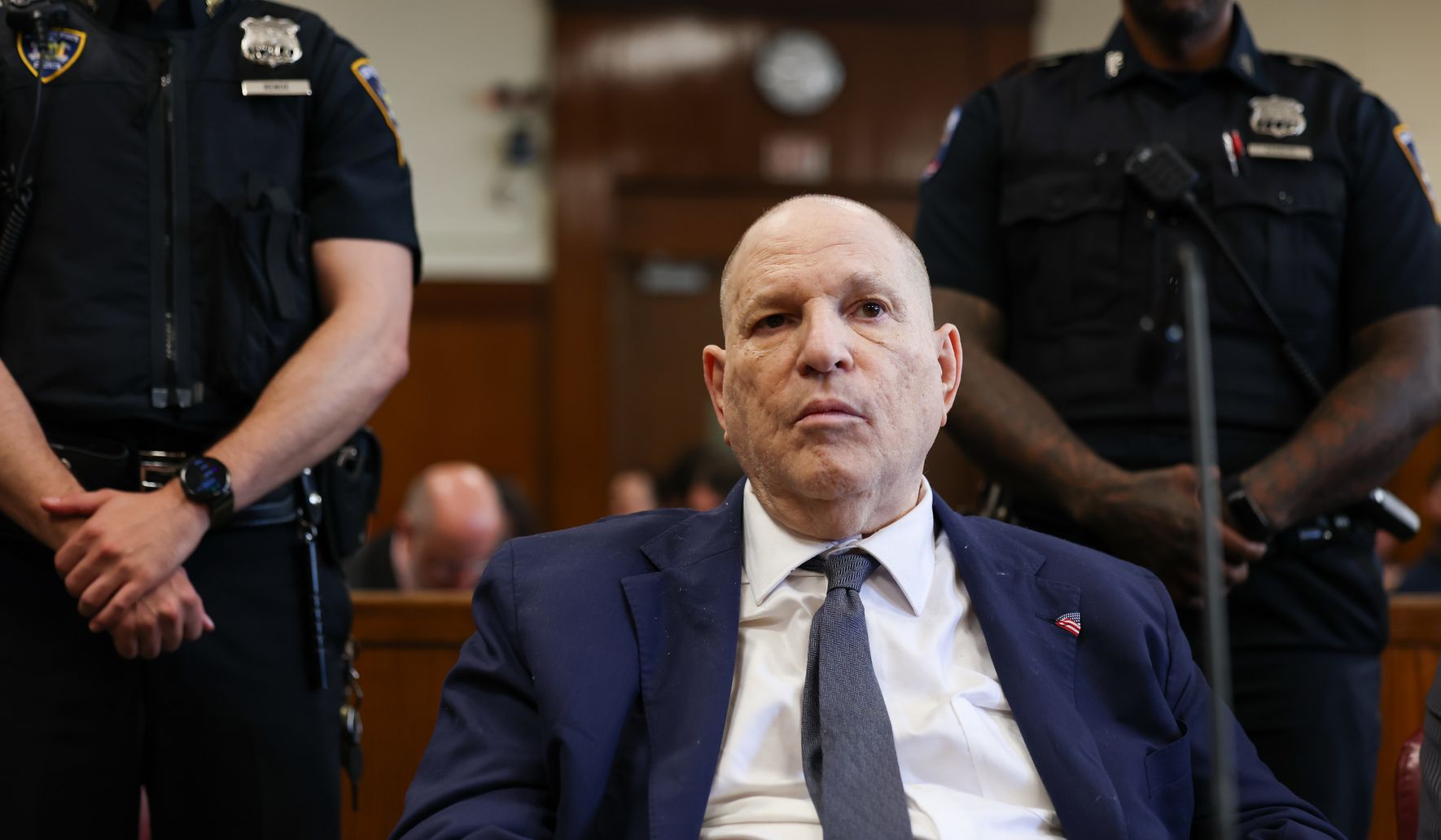
After years of #MeToo infamy, legal peril and prison, Harvey Weinstein is again going on trial on a rape charge in New York City.
Harvey Weinstein’s legal saga keeps rolling back into public view with another trial in New York City. The man who helped shape modern Hollywood now finds himself at the center of a courtroom drama that touches on power, accountability and the long reach of allegations. This case arrives after convictions, prison time and a public reckoning that changed the industry.
The original wave of accusations against Weinstein ignited the #MeToo movement and reshaped how people talk about abuse in workplaces. Over the years, those revelations moved from headlines to indictments and convictions, transforming private complaints into public consequences. Now, a new charge in New York brings fresh legal and media attention, raising questions about what comes next for survivors and for him.
Court procedures will decide how evidence and testimony are weighed in this latest proceeding, and legal teams on both sides are preparing for that fight. Prosecutors will aim to present testimony that ties past patterns to the specific charge now before the court. Defense attorneys will challenge memory, context and credibility, seeking to blunt the impact of prior convictions and public statements.
The public reaction to new allegations against a once-powerful industry figure has evolved since the first wave of accusations. Audiences, employees and employers now pay closer attention to complaint processes, settlements and the dynamics of influence. The cultural changes sparked by earlier revelations continue to shape how institutions respond when similar allegations surface.
Victims’ voices and their path to justice remain central to how this trial will be perceived. For many survivors, court proceedings are not just about vindication but about being heard in a system that has often failed them. The pressure to tell a clear story, often years after the events, makes the legal process both necessary and painfully difficult.
For Weinstein himself, this trial is another chapter in a legal narrative defined by high stakes and intense scrutiny. He has faced convictions and served time, and each new charge revives memories of past allegations and those criminal outcomes. Media coverage and public opinion will inevitably swirl around the courtroom, complicating the legal questions with a social context that is hard to ignore.
The justice system will have to navigate evidence that may include testimony, documents and prior proceedings without letting past headlines decide the current matter. Judges and juries are asked to weigh what is presented now on its own merits, despite the broader story everyone knows. That separation is easier said than done when a defendant’s name has become synonymous with scandal.
There are also practical questions about witnesses, timing and legal strategy that will shape the pace of the trial. Some witnesses may be reluctant to relive painful experiences, while others may feel compelled to speak. Timing can influence memory and the availability of corroborating evidence, and both sides will use procedural tools to advance their case.
Beyond the courtroom, institutions—from studios to unions—watch closely for how liability, workplace policies and public relations play out. Employers have updated harassment policies and reporting channels since the first wave of revelations, and this trial could prompt further shifts. The ripple effects extend into hiring decisions, settlement practices and internal compliance programs.
Public conversation about accountability, rehabilitation and punishment will continue as the trial moves forward. Some will argue for firm consequences and systemic change, while others will focus on legal fairness and the specifics of this case. That debate reflects broader tensions about how society handles allegations against high-profile figures.
Whatever happens in the courtroom, the trial will be another test of how the legal system, the media and the public respond to allegations from years past. It will also be a moment for survivors, lawyers and observers to see how standards have changed and where gaps remain. As the proceedings begin, the nation will watch another episode in a saga that reshaped Hollywood and the national conversation about misconduct.

