

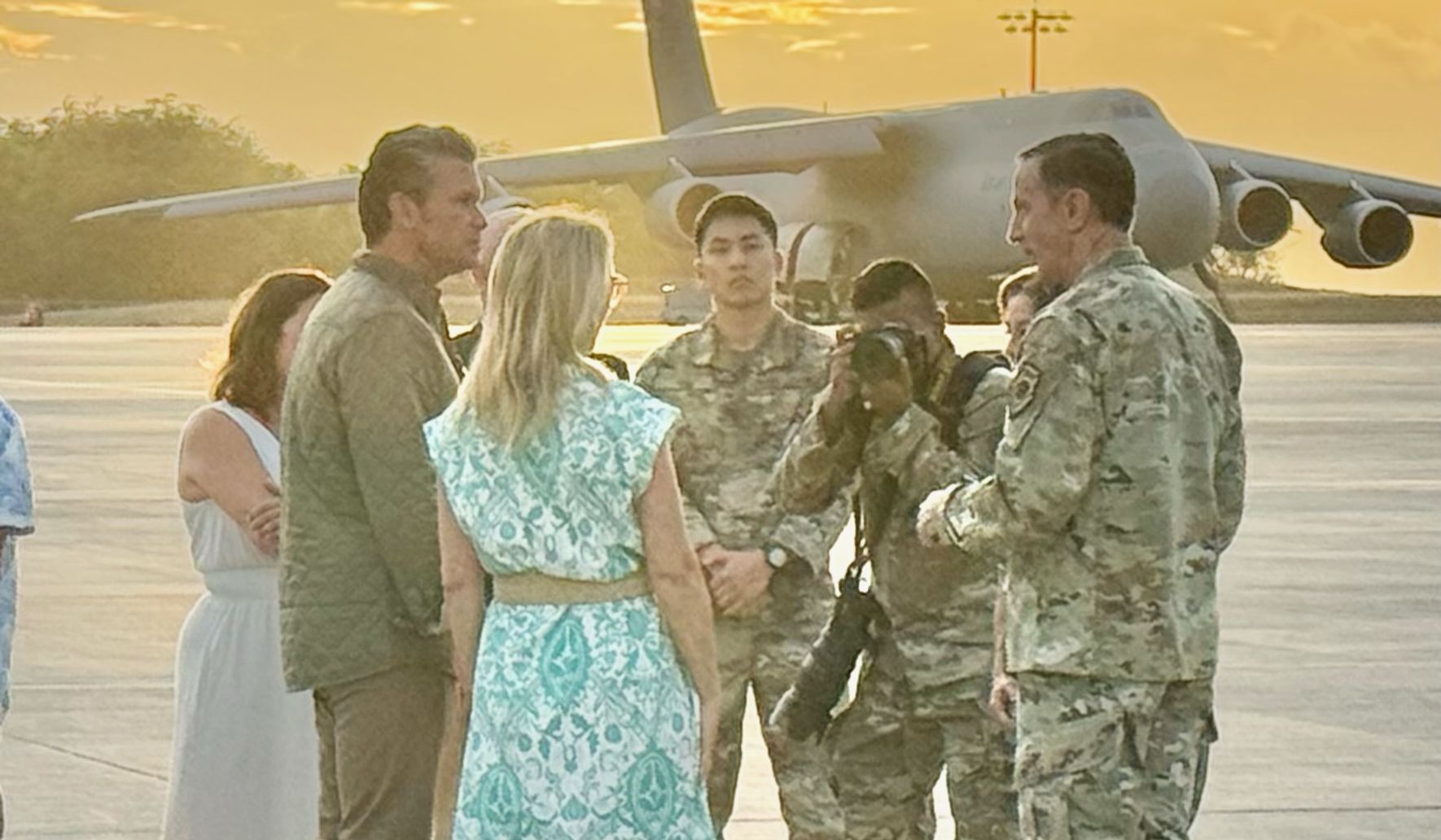
Short summary: Defense Secretary Pete Hegseth toured Pacific commands and received an intelligence update that zeroed in on growing threats across the Indo-Pacific, especially from China. The trip underscored the need for a clear U.S. posture, stronger alliances, and faster modernization of force, logistics, and deterrence tools to protect American interests and partners in the region.
Defense Secretary Pete Hegseth received an intelligence briefing in Hawaii from the U.S. Indo-Pacific Command that focused on threats to the region posed by China and other adversaries. The briefing laid out what commanders are seeing: faster Chinese military growth, expanded missile ranges, and sharper gray zone pressure on neighbors. That picture drove a straight message about keeping credible deterrence and improving readiness.
The Indo-Pacific is now the primary theater where potential conflict could reshape global order. China has rebuilt and retooled its forces with an eye toward controlling seas, space, and critical islands, while also investing heavily in cyber, electronic warfare, and long-range strike. Those capabilities complicate U.S. plans to project power and defend allies without the right posture and stocks in forward locations.
Gray zone coercion is part of the problem, and it is often tested below the threshold of conventional warfare. Coercive tactics, maritime harassment, and economic pressure are tools Beijing uses to reshape the map without triggering full-scale conflict. Responding to these moves requires more than statements; it needs persistent presence and coordinated action with partners who share the goal of a rules-based order.
Allies matter. Japan, Australia, and the Philippines are front-line partners with overlapping interests and shared concerns about territorial aggression and freedom of navigation. Strengthening interoperability, sharing intelligence, and expanding combined training are practical ways to raise the cost to any actor thinking about aggressive moves. Those efforts must be matched with reliable U.S. force posture and logistics to make cooperation meaningful under stress.
Hard power still counts. Investments in submarines, anti-ship systems, resilient air bases, and long-range sensors give commanders options that deter escalation. But platforms are only half the equation; munitions, prepositioned supplies, secure communications, and rapid repair chains keep forces fighting if deterrence fails. Lawmakers should recognize that readiness and munitions take sustained funding, not ad hoc fixes.
Cyber and space are battlefields in their own right and require a serious response posture. Defending satellites and networks, and ensuring resilient command links, are no longer optional extras. The U.S. must invest in redundant systems and offensive capabilities that signal vulnerabilities to any adversary who thinks they can blind or paralyze American forces at the outset of a crisis.
Diplomacy needs to be backed by credible military options and clear policy lines. Vague warnings do not deter strategic competitors who calculate risks and rewards. Americans should expect leaders to lay out simple, enforceable red lines and align resources so those lines can be defended without delay or political second-guessing.
Congress has a key role in converting warnings into resources that matter on the water, in the air, and in space. Timely procurement, robust stockpiles, and incentives to shore up the defense industrial base provide the nuts and bolts of deterrence. When the goal is preserving peace through strength, policy needs muscle: reliable funding, clear priorities, and leaders willing to match words with capabilities.

