

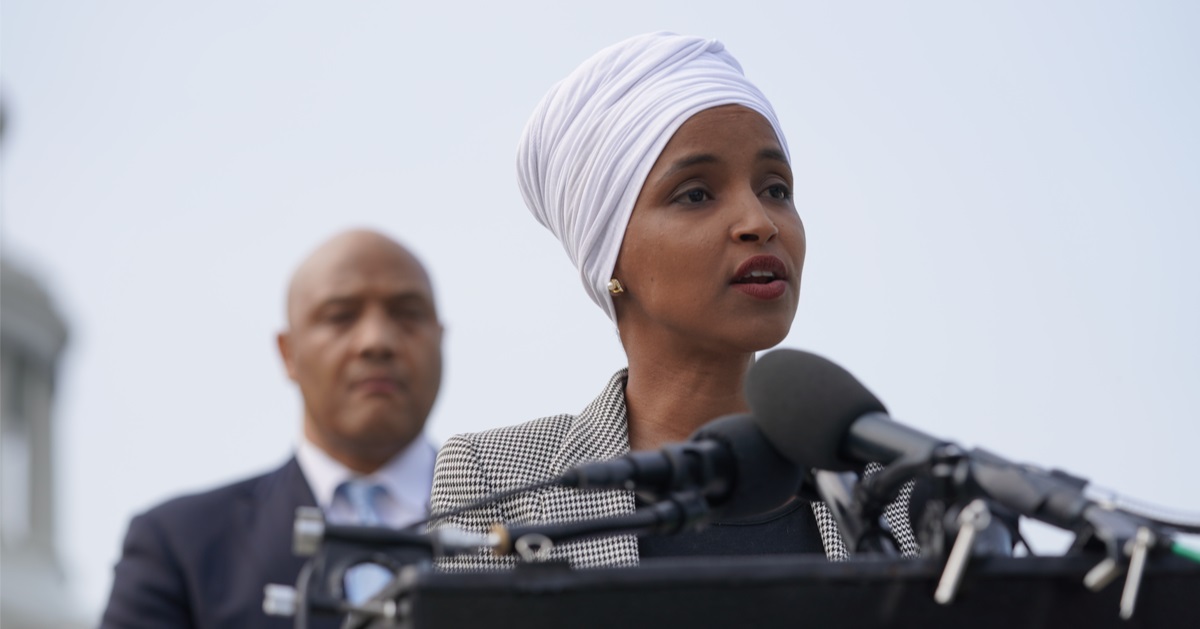
Rep. Ilhan Omar and President Trump traded sharp accusations after Trump publicly criticized Somali communities and singled out Omar, prompting her to warn on CNN that his rhetoric could inspire fear and violence among vulnerable people.
Rep. Ilhan Omar responded forcefully after President Trump’s remarks about Somali communities drew national attention. She took her concerns to CNN, arguing that words from the president can have real consequences for people already under strain. This exchange quickly became a flashpoint in the broader debate over rhetoric and responsibility.
Earlier the same day, the president used a White House statement to attack Somali communities and to target Omar personally. “These Somalians have taken billions of dollars out of our country. They’ve taken billions and billions of dollars,” he declared, and he accused “most of those people” of having “destroyed Minnesota.” Those sweeping claims set the tone for a charged back-and-forth.
Trump went further, bringing up unproven personal allegations about the congresswoman and suggesting she should be ousted from the country. That kind of broad, incendiary language aimed at both a community and an individual escalates the dispute beyond policy arguments. It’s the sort of rhetoric that makes it harder to keep the focus on hard issues like jobs, assimilation, or criminal justice.
Omar didn’t let the comments stand without pushback. She appeared on CNN’s “The Lead” with Jake Tapper and framed the president’s words as a direct threat to the safety of Somali Americans. Her defenders say she was protecting constituents; her critics say she leaned into victim politics to score points.
During the interview Omar made a pointed plea about the fallout from those remarks, stressing the climate that rhetoric can create. “I mean, it creates fear,” she told Tapper, and she warned, “And there is a possible danger that a lot of the people who follow the president have exhibited violence in many cases.” Those lines were meant to underline the stakes she sees tied to presidential speech.
Omar also said she’s received death threats whenever the president targets her with derogatory comments, a claim that highlights the personal risks public figures sometimes face. Even critics who disagree with her policies will admit that threats and violence are unacceptable. Still, allegations about causal links between presidential rhetoric and follower actions require careful evidence before becoming political ammunition.
Tapper pushed the conversation into historical context, asking whether a leader publicly singling out an ethnic group echoes old mistakes. He mentioned how Italians were once stigmatized over organized crime, using that example to question the wisdom of broad attacks on entire populations. That historical lens makes the stakes clearer: language matters, and past missteps can inform current choices.
Omar maintained that some followers of the president have been jailed for crimes allegedly inspired by similar rhetoric, a serious claim about cause and effect. Whether those cases establish a direct line from words to violence is contested, but the accusation keeps the spotlight on how leaders talk about groups they oppose. For conservatives who prioritize law and order, proving causation matters for credibility when criticizing rhetoric.
From a conservative perspective, Trump has every right to criticize policies or public figures, and he should not be muzzled for raising concerns about immigration, welfare, or public safety. At the same time, painting a whole community with a single brush is a tactical error that risks alienating potential allies and feeding the narrative that conservatives target people instead of policies. Smart messaging separates critique of ideas from attacks on identity.
Omar’s framing of disagreement as an imminent danger is familiar from the left’s playbook, but conservatives should respond by sharpening arguments about policy and results. Pointing to specifics—economic impact, criminal accountability, or immigration enforcement—wins debates more reliably than broad denunciations. The goal should be to change minds with facts, not to trade insults that escalate tensions.
This clash between a high-profile Democrat and a former president highlights how volatile public discourse has become when leaders use charged language. It will shape how both parties talk about immigration, community safety, and political accountability in the months ahead. The immediate fight is loud, but the longer-term question is which side can persuade voters with concrete proposals rather than broadbrush accusations.


1 Comment
Deport this flea infested spy all she’s doing is stealing billions of taxpayers money for her own selfish interests and Muslim agendas. Traitors should be put in federal prison and after her sentence is completed deport her immediately and start rounding up all her family members and friends she snuck into our country and deport them immediately and confiscate all their possessions and money from all of them. She always said she hates this country so send her back to her flea infested land.