

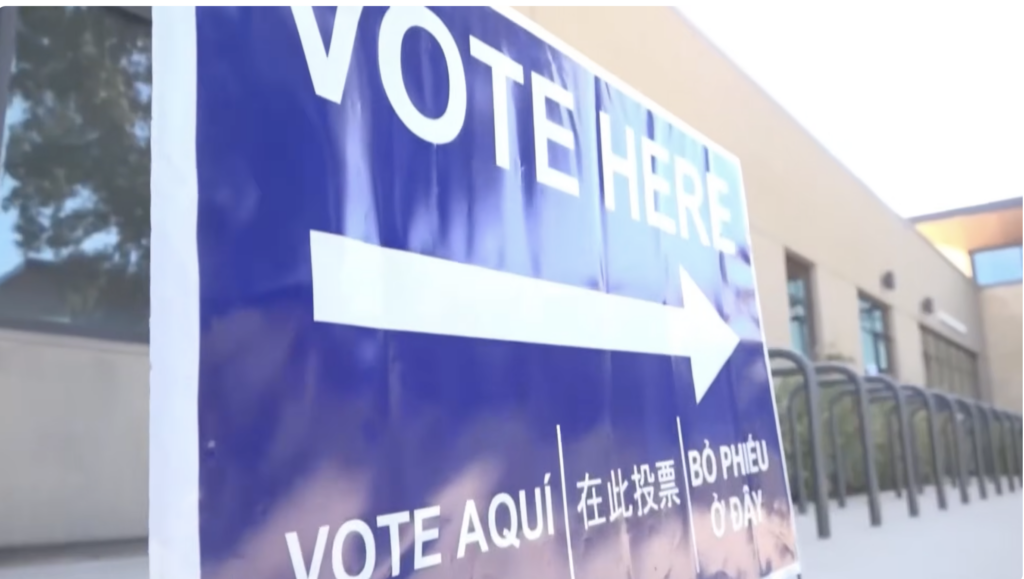
Officials are investigating reports of noncitizens appearing on state voter rolls and looking into whether that has translated into actual instances of voter fraud ahead of the midterm elections.
State and federal offices have opened inquiries after multiple audits flagged names on voter lists that may belong to people lacking citizenship. Republicans are framing these probes as a necessary step to protect election integrity, arguing that even a small number of improper registrations undermines public trust. The investigations aim to match registration records against immigration and other government databases to clarify who is eligible to vote.
Concern centers on the process that adds and maintains entries on voter rolls, from voter registration drives to automatic updates passed between agencies. Critics say lax verification and sloppy data transfers let in errors that look like noncitizen registrations. Officials conducting the reviews are tracing how those records made it into state systems and whether human or technical mistakes are to blame.
Some audits have turned up plausible explanations, such as naturalized citizens whose records were misread or duplicate entries from clerical errors. But where citizenship status is genuinely unclear, investigators are following up with more detailed checks and, when necessary, referrals to prosecutors. Republicans stress that the point is not to intimidate eligible voters but to ensure checks are real and consistent.
The timing of these probes adds urgency because the midterm elections are a time when turnout and margins can swing control of legislatures and Congress. Party leaders on the right argue that an accurate voter roll is a basic requirement of free and fair elections and that failure to act now risks bigger problems down the line. That argument is resonating in states where tight races could hinge on a few thousand votes.
Officials performing the reviews say the work is painstaking, involving cross-referencing birthplaces, naturalization records, and a patchwork of state and federal databases. Data matches are rarely perfect, so each potential case often needs human review before any action is taken. There are real privacy and legal limits to what agencies can disclose while a probe is underway, which frustrates watchdogs who want swift transparency.
Legal experts warn that determining intent is crucial: a mistaken registration is not the same as purposeful illegal voting. Prosecutors must show that someone knowingly voted while ineligible, which is rare and difficult to prove. That distinction matters to Republicans pushing for accountability without trampling voters’ rights, and it frames how cases are being flagged and escalated.
Beyond prosecutions, the investigations are prompting calls for policy fixes, from better database matching to clearer verification steps at the point of registration. State officials are considering procedural changes like expanded training for clerks and more robust identity checks when people register in person or online. Republicans say those are practical, common-sense measures that improve confidence without disenfranchising lawful voters.
Public reaction is split: some voters demand aggressive cleanups and criminal referrals, while others fear overreach and bureaucratic error that could remove legitimate voters. Election administrators have to balance those pressures while obeying federal and state law, and they often err on the side of preserving registrations until citizenship can be proven otherwise. The debate keeps spotlighting the tension between safeguarding the vote and making the ballot accessible.
As investigations continue, officials will release findings in stages and, where warranted, bring cases to prosecutors or recommend administrative corrections. Republicans say those outcomes will show the value of scrutiny and the need for systemic reforms, while opponents will watch to see whether inquiries lead to fair, evidence-based results. The work now underway could shape how states handle voter roll accuracy going into future elections.

