

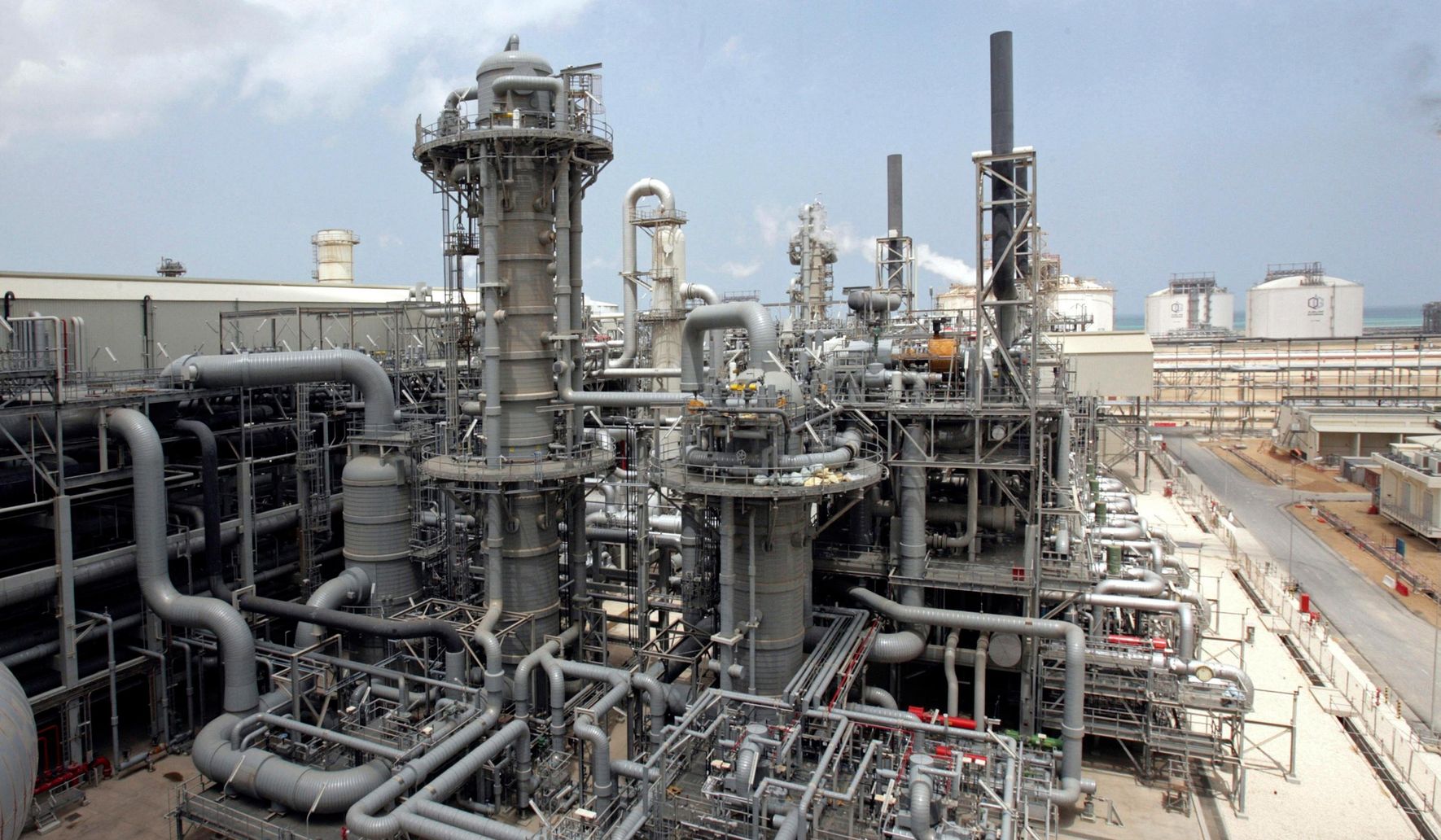
Iran’s strikes on Qatar’s gas facilities have interrupted helium flows that modern industry depends on, creating a ripple of supply, technical, and strategic risks across chips, hospitals, and space programs.
The incident knocked a crucial slice of the world helium market offline, exposing how a single regional disruption can cascade into global industrial headaches. Helium isn’t glamorous, but it’s essential for cooling, leak detection, and producing the controlled environments that semiconductor fabs and MRI machines need. When that supply tightens, manufacturers and hospitals feel it almost immediately through delays, higher costs, and stressed maintenance schedules.
Semiconductor production is especially fragile because fabs rely on ultra-pure gases and uninterrupted delivery schedules. Modern chips demand specialized cryogenics and dilution processes where helium plays a quiet but critical role, and any supply hiccup reverberates through lead times and yields. In an industry already stretched by demand and geopolitical tension, losing a major helium source adds another layer of risk for U.S. firms and their global partners.
Medical imaging services depend on helium to keep MRI systems at required temperatures, so shortages threaten patient care and routine diagnostics. Hospitals can temporarily move machines offline or rent portable solutions, but that increases costs and reduces access to timely care, especially in rural or underfunded regions. The human cost here is straightforward: delayed scans and longer diagnostic waits, not abstract supply-chain charts.
Space and aerospace sectors also depend on helium for pressurization and purging systems during launch operations and satellite testing. Launch schedules are tight and orbital missions run on narrow windows; losing helium can force postponements that ripple into contract penalties and lost launch opportunities. For a sector that already tolerates complex logistics, an avoidable supply shock is a serious operational headache.
Markets reacted predictably: prices tick up, buyers scramble for alternative suppliers, and strategic reserves become the focus of boardrooms and commodity traders. That scramble demonstrates a larger point about risk management in supply chains where critical inputs are concentrated geographically. Companies that treat helium as a fungible commodity soon find it’s anything but when the taps are turned down.
From a policy standpoint, this is about more than market volatility; it touches on national security and industrial competitiveness. A Republican viewpoint emphasizes shoring up supply resilience through strategic reserves, private-sector partnerships, and incentivizing domestic alternatives where feasible. Relying on a geopolitical adversary-adjacent region for critical inputs is a vulnerability that invites leverage and disruption.
Practical business responses are varied: firms can diversify supplier lists, invest in recycling technologies, or redesign processes to reduce reliance on scarce gases. Recycling and efficient capture systems make sense not just as contingency moves but as cost-saving measures over time, especially for high-volume users like chip fabs and large hospitals. Those moves improve margins and blunt the impact of external shocks.
International coordination also matters because helium markets and production facilities are global by nature, and unilateral action only goes so far. Contract enforcement, insurance adjustments, and shared inventory strategies can help stabilize short-term supply without spiraling into rationing. The goal is to avoid reactive, ad-hoc solutions and move toward predictable mechanisms that keep critical systems running.
Finally, industry and government both need to treat helium like the strategic input it is and act accordingly without overcomplicating straightforward priorities. The episode shows how tactical strikes against energy infrastructure can have outsized effects on advanced manufacturing and health systems far from the battlefield. Fixing that starts with clear-eyed planning, smart investments in redundancy, and a willingness to treat supply security as a core part of national industrial policy.

