

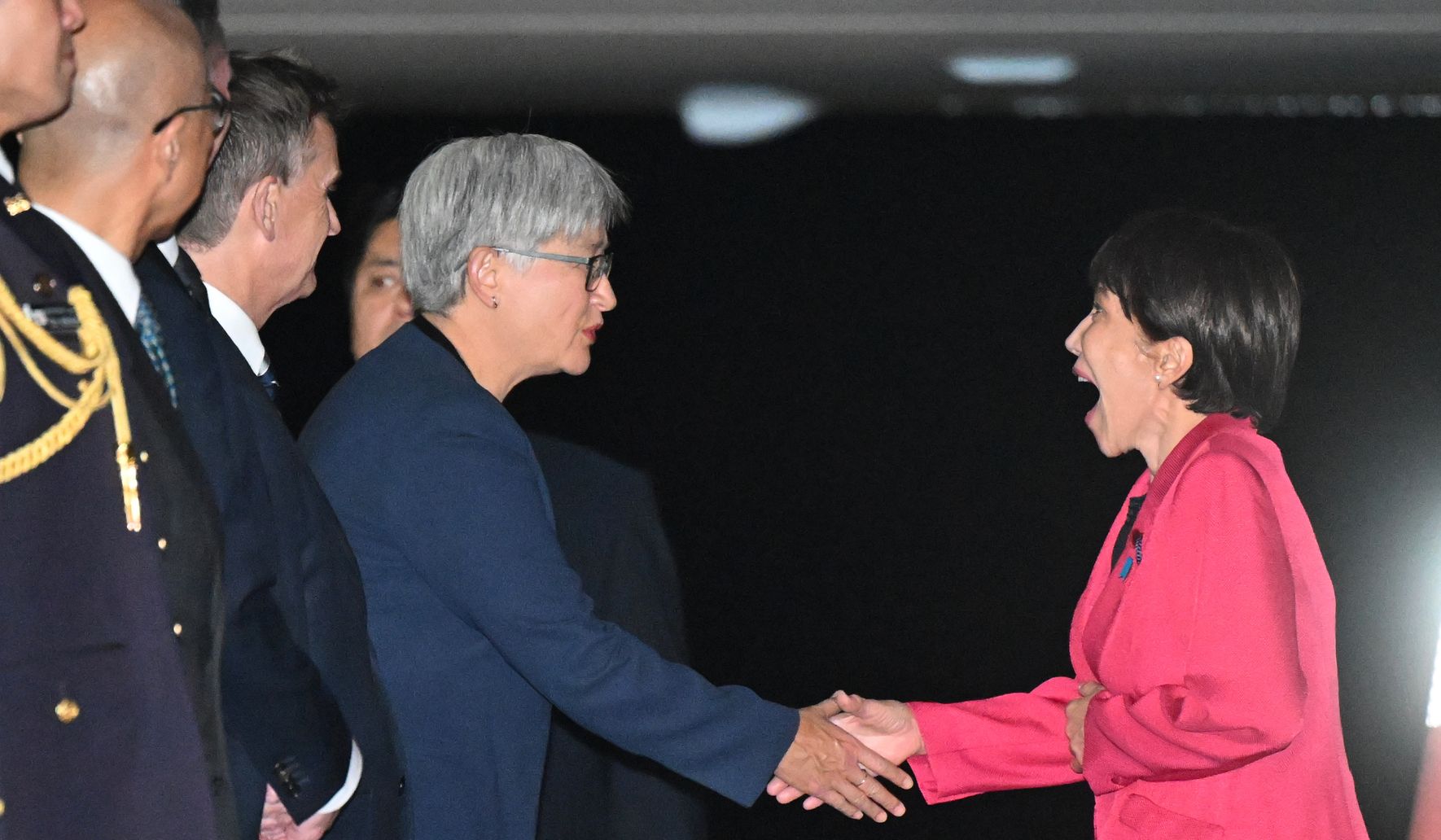
Japan and Australia have recommitted to deeper cooperation across energy security, defense and critical minerals as disruptions linked to the Iran war threaten global supply chains.
Japan and Australia are sharpening their partnership to protect supply lines and keep energy flowing to allies and markets. Leaders from both countries agreed to broaden work on energy security, defense cooperation and securing critical minerals. This move responds directly to growing instability tied to the Iran conflict and its ripple effects on trade and resources.
The emphasis on energy security is practical and urgent, not just diplomatic. Australia can expand reliable supplies while Japan can diversify away from risky routes and suppliers. Together they plan to coordinate policies that reduce vulnerability to maritime disruptions and economic coercion.
On defense, the two governments are clear-eyed about the need for credible deterrence in the region. Enhanced cooperation aims for better interoperability, intelligence-sharing and joint planning for contingencies. That means more realistic exercises, faster logistics support and clearer lines of command when crisis hits.
Critical minerals are now a national security priority as much as an economic one. Both countries hold deposits and processing capacity that are vital for batteries, semiconductors and advanced defense systems. By coordinating supply chains, they can cut dependence on hostile or unstable sources and shield manufacturing from sudden shocks.
These talks reflect a pragmatic approach to strategic competition in Asia. While diplomacy continues, both capitals acknowledge that supply chains and military readiness must be strengthened now. Policy choices will lean toward resilience, redundancy and faster mobilization of private sector resources.
Expect initiatives that blend public strength and private investment to secure mining, refining and transport. That means incentives for domestic processing, clearer export controls and streamlined approvals for joint projects. The goal is to make critical supply lines less fragile and more responsive to shocks.
Japan and Australia also see energy solutions as part of economic security, not ideology. They will pursue reliable fossil fuel supplies, cleaner technologies and diversified imports to keep industry and households stable. Markets must work, and governments should remove roadblocks that slow private investment in resilient energy systems.
Defense cooperation will extend beyond exercises to practical logistics and ship movements that keep sea lanes open. Friendly navies will coordinate escorts and surveillance to deter actions that threaten merchant shipping. That posture is defensive but necessary to protect commerce and strategic interests.
Intelligence cooperation will be stepped up so both nations can anticipate disruptions and act before shortages become crises. Sharing early warnings about transport risks, cyberattacks or malign interference helps firms and governments adjust quickly. That kind of coordination saves time and reduces panic in markets.
The partnership sends a clear message to adversaries who would exploit instability for strategic gain. Japan and Australia intend to deny easy leverage through supply chain coercion or maritime harassment. The approach combines economic tools with credible military options to protect national interests.
Practical projects will also matter: joint investments in processing plants, shared stockpiles and coordinated export policies. These measures create real buffers and make it harder for a single disruption to cascade into wider shortages. Private sector partners will be essential to turn policy into supply lines that actually work.
By working together, Tokyo and Canberra can influence allies and partners to adopt similar resilience measures. A network of like-minded countries that coordinate on energy, minerals and defense will be harder to intimidate. The alliance model here is about layered defenses across economic and security domains.
This is not just about countering one conflict; it is about preparing for a world where supply shocks will come more often. Building redundancy, investing in domestic capacity and tightening coordination are sensible steps with durable benefits. Those policies protect jobs, industry and the ability to act when global tensions rise.
Leaders from both countries are banking on practical cooperation rather than rhetoric to manage risk and keep trade moving. If executed well, their plan will strengthen regional stability and reduce the chance that an isolated conflict disrupts the global economy. The focus is clear: protect supply chains, shore up defense and secure the minerals that power modern life.

