

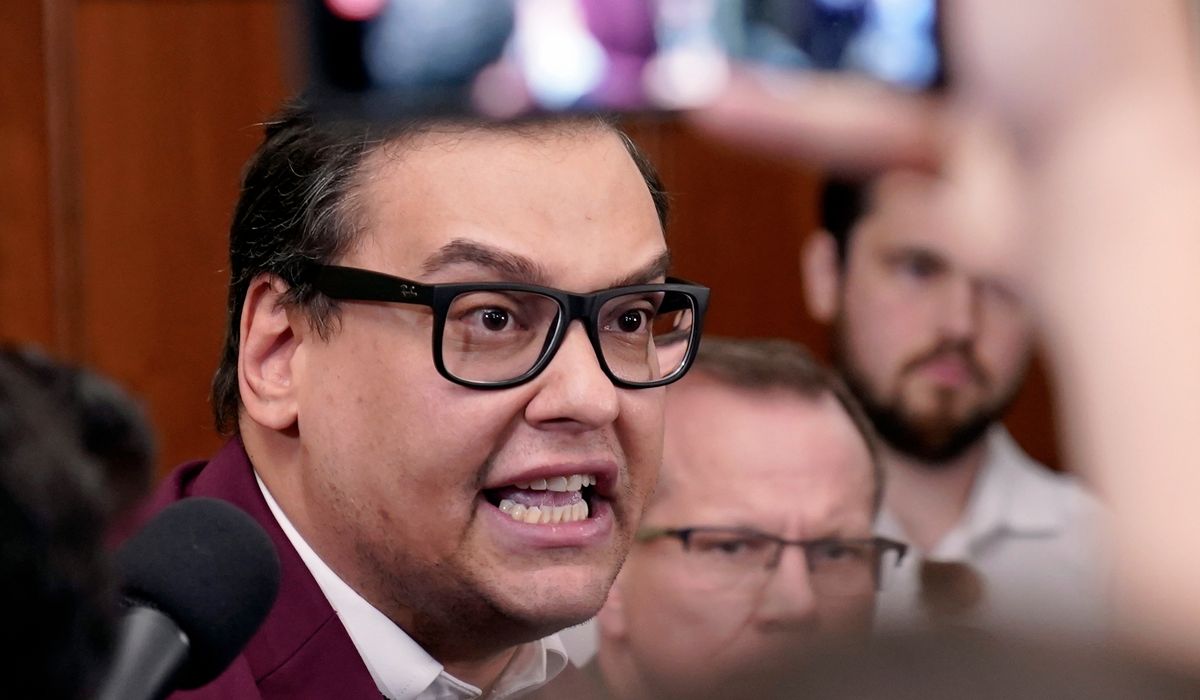
Kalshi’s decision to bar a public figure from its platform has sparked debate about market fairness, platform power, and political double standards.
Prediction market Kalshi has taken an unprecedented step that touches on market rules and political theater. Prediction markets hinge on clear rules, but when platforms act as both market operator and arbiter, questions about fairness and motive follow.
To state the central fact plainly: “Prediction market Kalshi is issuing its first lifetime ban, against former Rep. George Santos, over betting on his own attendance at President Trump’s State of the Union address.” That sentence captures the headline event and anchors the discussion without spinning it into speculation.
The core issue is about consistency and proportionality. A lifetime ban is the harshest penalty a private platform can hand down, and it raises the question of whether lesser sanctions would have protected market integrity just as well.
Platforms are private, but they operate like public squares for modern political and financial expression. Republicans value free markets and private property, yet we also worry when private actors adopt regulatory roles with little transparency or appeal process.
When enforcement looks selective, it erodes trust faster than a single misstep ever could. If rules are enforced unevenly based on who is involved or which headline the trade touches, the platform risks becoming a political actor rather than a neutral marketplace.
There is also a practical concern about signal versus influence. Betting on attendance at an event is a prediction of a fact that will be publicly verifiable within hours. It is not the same as manipulating policy or influencing votes, and that distinction matters for proportional punishment.
Healthy markets need clear, predictable rules that are consistently applied and publicly explained. Users should be able to see why decisions are made, how evidence is weighed, and what avenues exist to challenge a ruling. Without that, confidence in the market’s fairness will erode.
The move also highlights a broader tension: tech platforms are stepping into roles formerly handled by regulators and courts. That shift should make everyone cautious because private enforcement can lack due process and can reflect corporate priorities rather than neutral legal standards.
There is a risk that small, sensible rules get stretched into sweeping policies that chill legitimate activity. Predicting an attendance outcome is part of what these markets were built to capture, and platforms should be careful that enforcement doesn’t turn participants into targets simply for engaging the product.
Republican principles favor market freedom, transparency, and checks against concentrated power. Applied here, those principles suggest platforms should publish enforcement standards, apply them evenly, and avoid lifetime exclusions unless clear, repeatable harms are proven.
At the same time, platforms must guard against fraud and manipulation. A balanced approach keeps markets honest while preserving participants’ rights to use the product as intended. Enforcement should be surgical, not sweeping, and always backed by evidence users can inspect.
The broader lesson is about institutional trust. Whether you lean left or right, predictable rules and accountability matter more than the immediate political outcome of a single sanction. Platforms that ignore that will face backlash from users, lawmakers, and competitors.
Moving forward, stakeholders should press for clearer governance from market operators, including transparent appeals and published criteria for severe penalties. That would protect both the platform’s credibility and participants’ expectations.

