

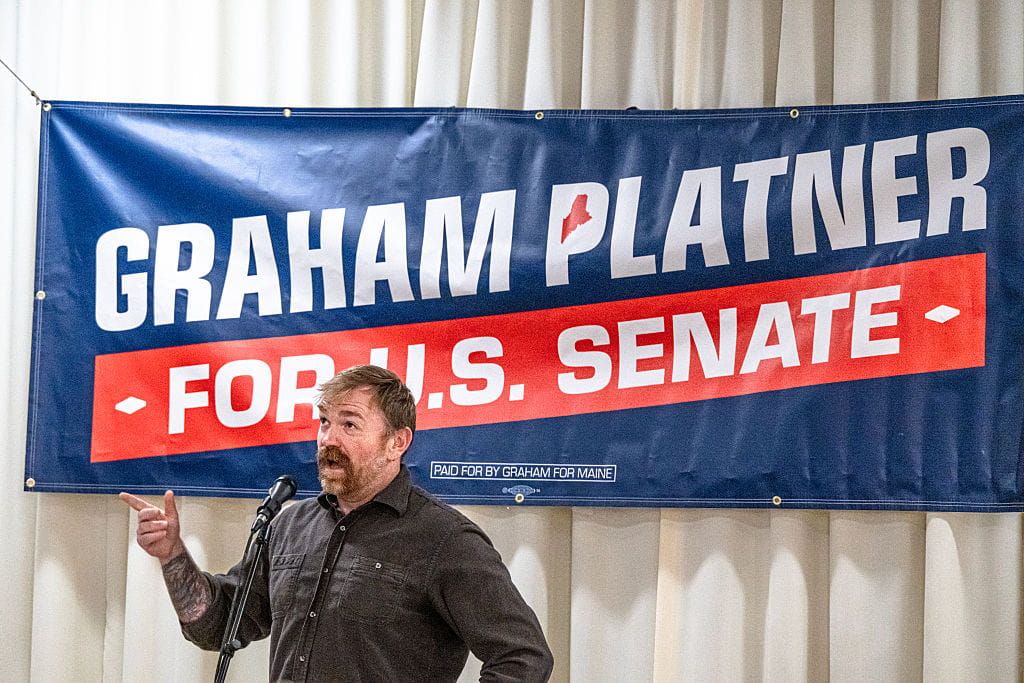
Inside the Races That Could Tip the Senate: a close, high-stakes map where a handful of contests decide control. Jun 20, 2026 sits on the calendar as campaigns sprint toward the finish and national attention tightens. “Democrats’ narrow road to 51 seats.” is the starting fact everyone in both parties has to reckon with.
The Senate math is brutally simple: a few seats change hands and the Capitol changes tone. Republicans see openings in states where nationalized Democrats struggle to connect on bread-and-butter issues. These races are local, but the national stakes are enormous.
Voters in battleground states will matter more than ever. Arizona, Nevada, Pennsylvania, Georgia, and Ohio are among the places that will decide the Senate’s balance. Each has its own electorate and urgent local stories candidates must face head on.
Turnout will decide everything. Midterms and off-year cycles reward the side that organizes and motivates voters to show up. Republicans have an advantage when messaging focuses on the economy, public safety, and secure borders.
Candidate quality and discipline matter too. A well-run campaign with a steady message can flip a seat where national trends are close. Candidates who avoid gaffes and stick to achievable priorities win the swing voters who decide these contests.
Messaging that hits home will cut through the noise. Talk about jobs, wages, inflation, and crime in clear, concrete terms rather than abstract policy debates. Voters respond to simple choices and clear contrasts heading into November.
Fundraising and ground game remain critical in tight states. Cash buys the ads, but boots on the ground win doors and build trust in places where undecided voters live. Independent groups will pour money into competitive races, increasing the pressure on local staffs.
Early voting and mail ballots are already shaping strategies. Campaigns that get their supporters committed and educated before Election Day gain a measurable edge. That’s why organization and voter contact are as important as TV ads.
Local issues will trump national talking points in many counties. School boards, property taxes, energy projects, and public safety often swing independents. Candidates who listen and offer practical solutions pick up the margin of victory.
The Senate’s control affects judges, spending, and oversight. A one-seat majority can change committee chairs and the flow of legislation overnight. That reality makes these races more than local fights; they are battles over national direction.
Republicans should focus on disciplined campaigns and clear appeals to everyday concerns. Holding a steady message about fiscal responsibility and law and order resonates with swing voters. That approach forces Democrats to defend their record rather than attack endlessly.
Local endorsements and trusted community ties still deliver votes. Mayors, county officials, and civic leaders provide credibility that national surrogates cannot replicate. Investing in those relationships pays off in tight precincts.
Expect races to be expensive, noisy, and unpredictable until the ballots are counted. Polls will bounce and narratives will shift, but the underlying voter choices tend to remain stable when campaigns do their basic jobs. The outcome will reflect which side executes best at the state and local level.
Watch for narrow margins in counties that split the difference between urban centers and rural areas. Those suburban belts are where turnout swings and persuasion matter most. Candidates who win there can tip the balance without winning overwhelming majorities elsewhere.
As attention intensifies, remember that control of the Senate is never guaranteed until the final ballots are tallied. Both sides will fight hard and leave nothing to chance. The coming months promise intense, decisive battles that will determine who sets the agenda in Washington.

