

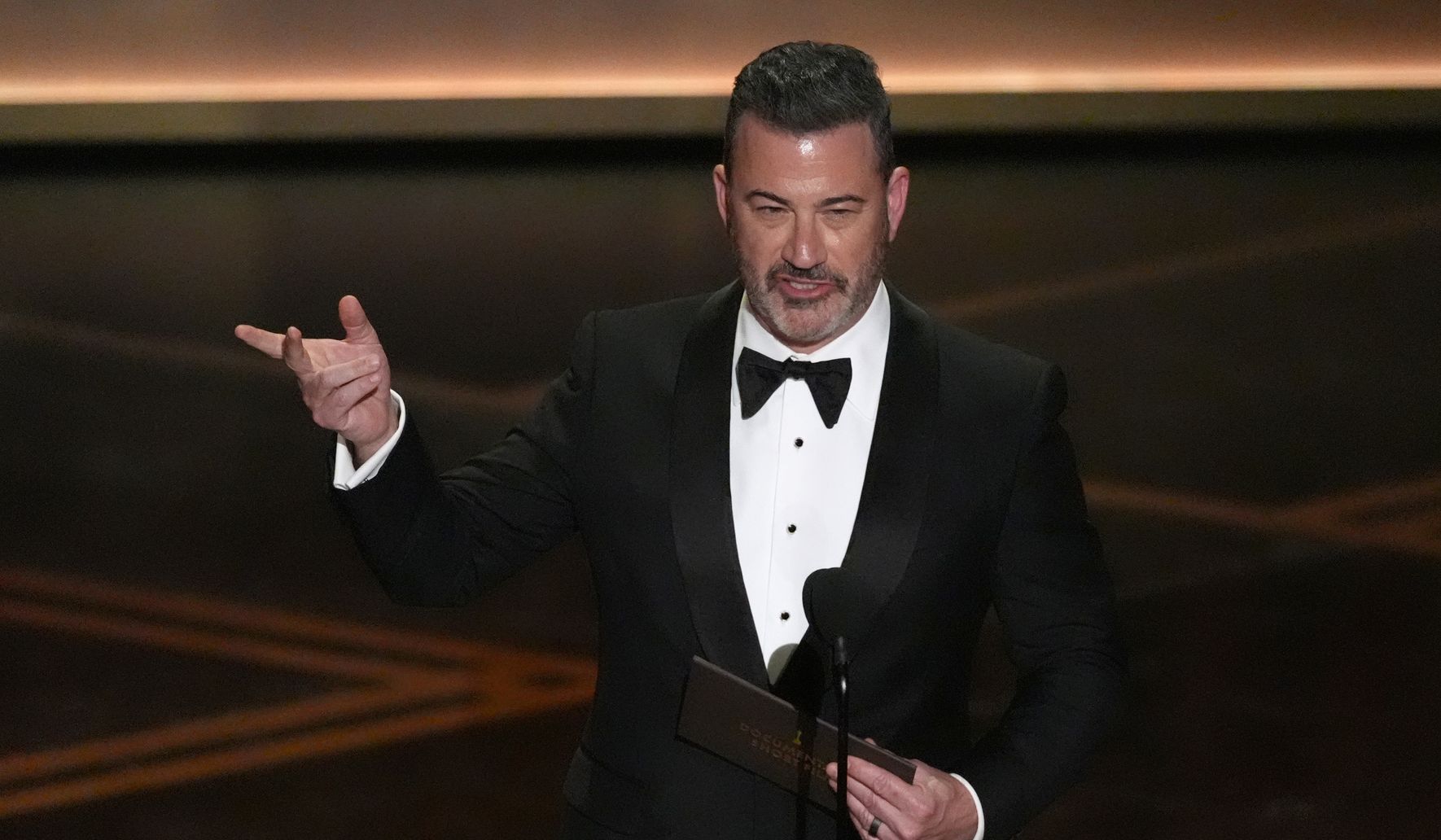
Jimmy Kimmel used Sunday night’s Academy Awards stage to push liberal politics, aiming barbs at the First Lady and making an odd comparison involving Steven Colbert that stirred complaints about mixing politics with entertainment.
Sunday night at the Academy Awards turned into a political moment when host Jimmy Kimmel leaned into partisan commentary during his opening. The ceremony, meant to honor filmmaking, featured jokes and jabs that many viewers saw as deliberate political signaling. That choice set the tone for a show that kept drifting away from film craft and toward culture war territory.
One notable target was first lady Melania Trump, who was singled out in a way that felt personal rather than topical. Attacking the First Lady at a glitzy entertainment event crossed a line for people who expect some civility from high-profile hosts. For many viewers, that kind of targeting suggested an agenda rather than lighthearted roast material.
Another moment that drew attention was an onstage comparison involving Steven Colbert and “victims of a totalitarian.” Framing a late-night comic alongside people harmed by oppression blurred reality and satire in a way that felt misplaced to those who object to equating harmless political comedy with real suffering. The comparison appeared to elevate rhetorical points over basic respect for victims and history.
Hollywood has a long track record of using awards shows as platforms for political messaging, and this year felt like more of the same. That pattern alienates viewers who tune in for performances, speeches about craft, and celebration of cinematic achievement. It also reinforces the sense that cultural institutions have chosen sides, which fuels polarization rather than bridging it.
From a Republican perspective, there is no desire to silence entertainers, but there is a clear call for boundaries and balance. Performers and hosts can and should speak their minds, but weaponizing a major awards ceremony to score partisan points diminishes the event. When the focus shifts from honoring work to airing grievances, the audience loses the common ground that once made such broadcasts widely watchable.
Networks and advertisers are not immune to fallout when shows become polarizing, and viewers make choices about what they will support and watch. Ratings reflect whether a broad audience finds value or feels lectured. Repeated political grandstanding risks shrinking the audience and hardening divisions between viewers who want entertainment and those who expect commentary.
There are better ways to acknowledge social issues without turning the red carpet into a campaign stage, and those options still leave room for sincere political expression. Hosts can highlight underrepresented filmmakers, support causes through off-stage initiatives, or invite artists to speak on their terms. Keeping the televised portion focused on films and the people who make them preserves the special nature of the night for a diverse audience.
Ultimately, viewers remember the films, the acceptance speeches, and the moments of genuine surprise, not the partisan lines that date a telecast. When politics overrun the program, the awards lose some of their cultural authority. If Hollywood wants to retain its reach, it will need to think harder about when and where to press its political case.

