

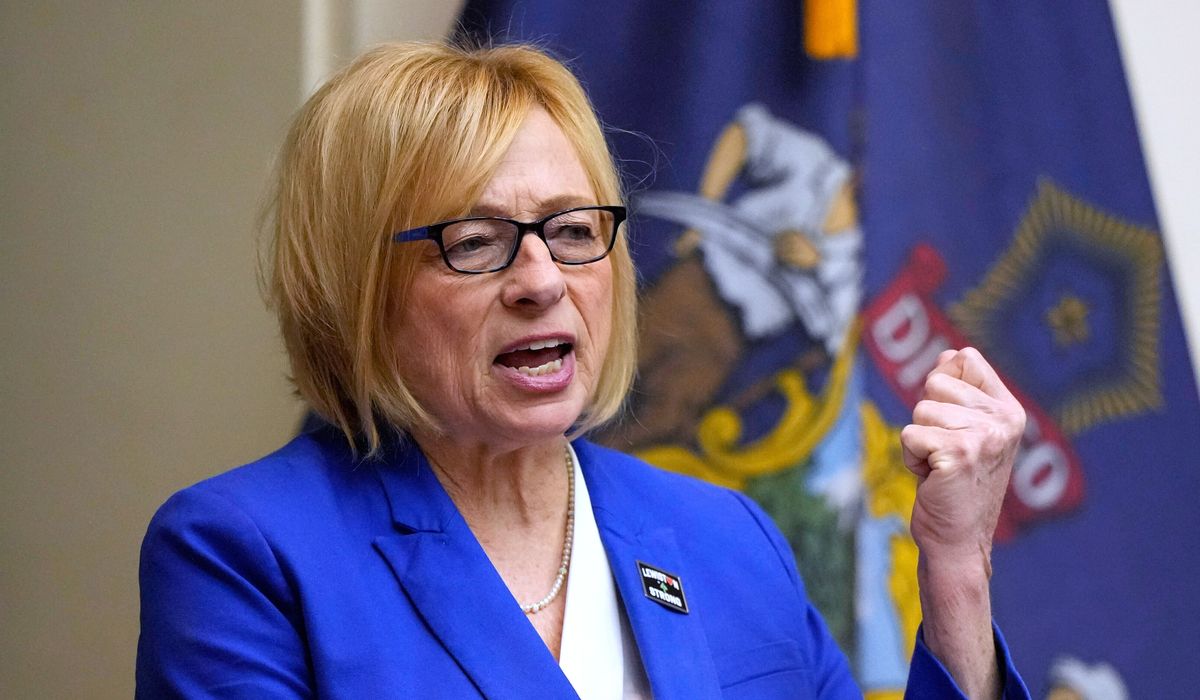
Maine Gov. Janet Mills has suspended her U.S. Senate campaign, a move that instantly clears the Democratic nomination path for Graham Platner and resets the race in a state Republicans have long eyed as winnable.
Maine Gov. Janet Mills on Thursday suspended her campaign for the U.S. Senate, clearing the way for Graham Platner to win the Democratic nomination. The decision removes a heavyweight from what had been shaping up as a messy primary and hands the Democrats a cleaner nominee with time to consolidate. For Republicans, the change is both a relief and a call to sharpen strategy for the fall.
This development matters because an open or lightly contested Democratic ticket is easier to define and attack. Platner now steps into a general election spotlight with fewer internal rivals and a clearer message to craft. Republicans should expect him to try to nationalize the race and lean on Washington-friendly themes that Maine voters have pushed back against in recent cycles.
From a Republican perspective, the advantage of a cleared field is obvious: you know your opponent and you can tailor contrast without chasing intraparty drama. That lets GOP campaigns map their resources efficiently across television, ground game, and digital targeting. It also gives conservative groups and donors a clearer channel for investment without waiting out a bruising primary.
The move also shifts the math on endorsements and fundraising. With Mills out, local and national Democrats will pivot to bolstering Platner, trying to stitch together a statewide coalition before fall. Republicans can exploit that transition window to define him on the issues that matter to Maine voters, pressing the differences on the economy, energy, and public safety while voters are still forming impressions.
Maine’s electorate is pragmatic and pays attention to tangible impacts rather than Washington slogans, which is why Republicans believe a focused, issues-first campaign can win here. Messaging that connects to cost-of-living concerns, fishing and energy policy, and local jobs tends to land better than abstract partisan claims. By contrast, Democrats often try to shoehorn national narratives into local races, creating openings for clear, concrete GOP proposals.
Operationally, Republicans will want to move fast: lock down a nominee, organize a unified field operation, and begin making the case in the regions that decide statewide outcomes. They’ll aim to tie Platner to national Democratic priorities voters dislike while offering sharp, practical alternatives. That’s the straightforward route to flipping contests where margins hinge on turnout and persuadable independents.
The coming weeks will reveal whether Platner can consolidate support without giving Republicans more ammunition, and whether GOP leaders will capitalize on the opportunity to present a disciplined, local-first campaign. For conservatives watching the map, the responsibility is simple: prepare, attack the weak spots in the opponent’s case, and show voters how Republican policies deliver for Maine families. The stage is set; the race can now be fought on clearer terms.

