

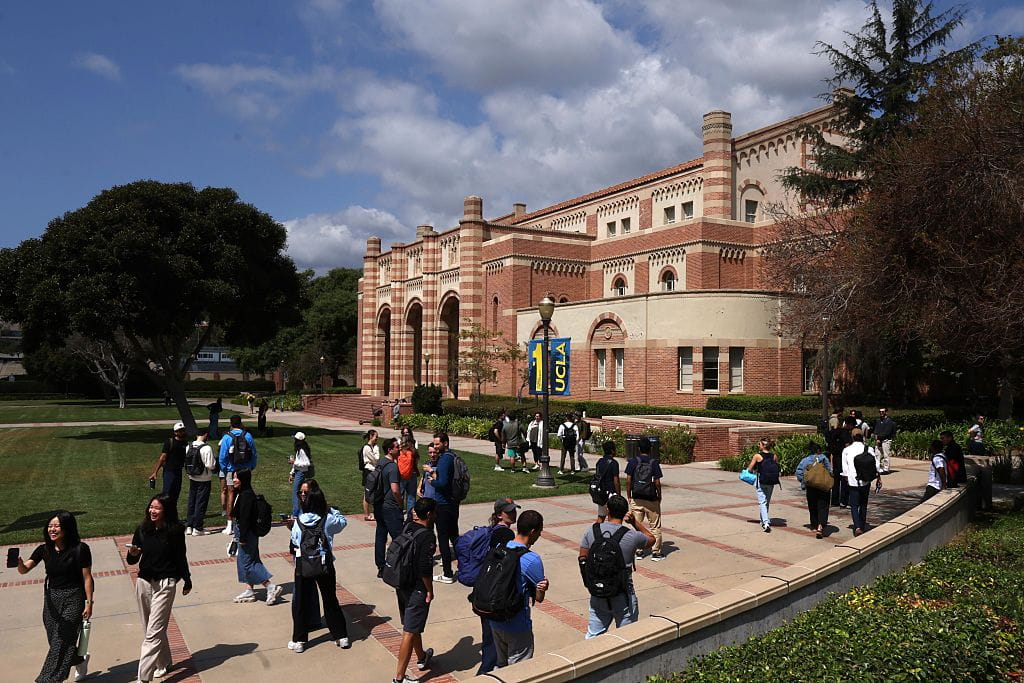
Student visa approvals dropped sharply in the summer of 2025, sparking debate over national priorities, economic effects, and whether recent policy moves are strengthening borders and American workers or discouraging future talent from engaging with U.S. schools and industries.
Student visas are down and that decline matters because talent flows shape both our economy and our communities, plain and simple. New student F-1 and M-1 visas fell a whopping 35% during the summer of 2025 compared to the previous year, and that sudden change forces a clear national conversation about policy, national security, and the workforce. From a Republican perspective, that drop looks like the result of tougher vetting and a clear signal that the United States will no longer treat student admissions as a backdoor to indefinite stays without accountability.
Conservative policymakers argue the reduction is a consequence of prioritizing American students and wages, and they see tightened rules as a reasonable correction after decades of loose practices. Universities that relied on international tuition have some growing pains ahead, but defenders of stricter controls say protecting domestic job pathways and stopping fraud are non-negotiable goals. At the same time, the administration’s message—”Making Education Great Again”—resonates with voters who want immigration aligned with national interest rather than institutional profit.
There are real tradeoffs to acknowledge, and they deserve straightforward analysis rather than reflexive handwringing from coastal elites. International students bring money, innovation, and cultural exchange; fewer of them mean some campus programs and local economies will feel the squeeze, particularly in STEM fields and research-heavy universities that counted on steady foreign enrollment. Republicans pushing for clarity insist those losses are manageable if we pair border integrity with smarter, faster visa processing for high-value candidates rather than a blanket open-door policy that ignores risk.
Security and integrity are the loudest arguments for the current stance, and the administration has framed stricter scrutiny as protection for both national safety and worker interests. Visa fraud, overstays, and misuse of student status have been persistent problems that undermine trust in the system, and a sharper enforcement posture aims to stop those loopholes. Pragmatic conservatives want a system that welcomes genuine, academically focused students while closing routes that are effectively shortcuts to indefinite residency without merit-based justification.
Policymakers also need to face the practical fallout in research labs, classrooms, and local businesses that depend on international students for talent and revenue. Republican solutions favor targeted fixes: speed up background checks for top researchers, create expedited tracks for students with clear job-creating potential, and maintain firm consequences for institutions that knowingly enable abuse. Those proposals try to balance national interest against the economic benefits that quality international students provide, rather than defaulting to either open borders or blanket exclusion.
Some critics argue the decline will push future professionals to stay in their home countries, bolstering foreign competitors who will benefit from U.S. training without the U.S. keeping the downstream economic gains. That’s a legitimate concern, and the conservative approach to it is not isolation but smarter selection: prioritize students who will deliver measurable return on educational investment for the American economy and society. If we can identify those who will contribute here—through startups, research breakthroughs, or job creation—then tailored visa pathways make more sense than a one-size-fits-all policy that leaves employers and taxpayers holding the bag.
This moment is a policy pivot, not an accident, and it tests whether the United States can be both secure and welcoming on its terms. Lawmakers should keep the pressure on universities to comply with rules while reforming administrative bottlenecks that unnecessarily slow down legitimate applicants and harm competitiveness. The debate will continue, but the 35% plunge in new F-1 and M-1 visas during summer 2025 is a clear sign that immigration policy under the current administration is changing the landscape for higher education, jobs, and national security.

