

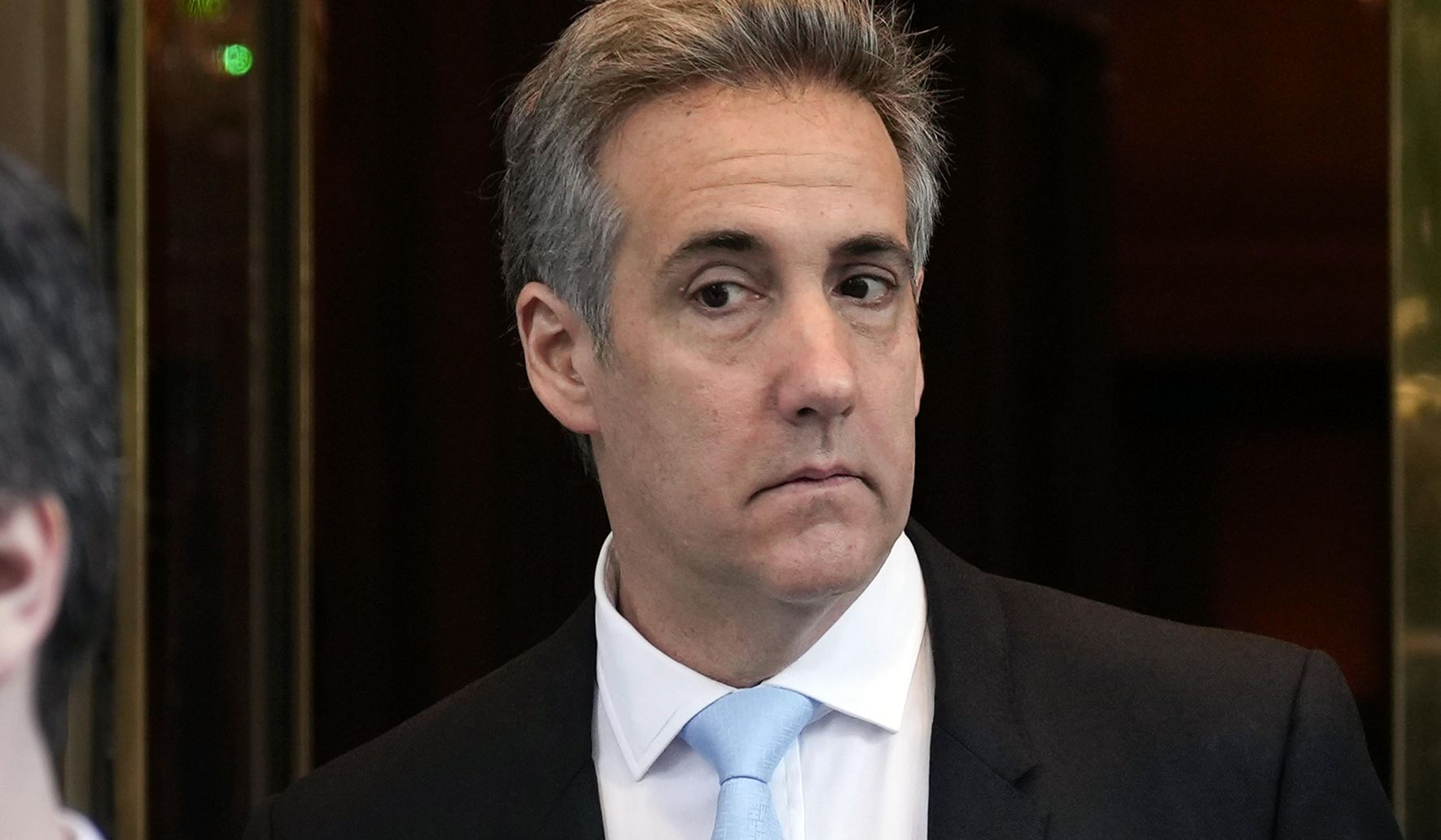
Michael Cohen is back in President Trump’s corner, defending him against unsubstantiated claims that he is implicated in Jeffrey Epstein’s crimes. Cohen says the allegations lack evidence and insists the record does not support a link between Mr. Trump and Epstein’s criminal conduct.
Michael Cohen, once a fierce critic and legal adversary of Donald Trump, now publicly rejects fresh reports suggesting the president had a role in Jeffrey Epstein’s criminal network. Cohen’s shift is striking because it comes from someone who has been willing to speak out against Mr. Trump in the past. He frames the new claims as unproven and politically motivated, urging a focus on facts over sensational headlines.
The Epstein story still casts a long shadow, but the key question is evidence. Epstein died in 2019 and investigations into his associates and enablers continued afterward, culminating in several prosecutions. What matters now is whether credible proof ties President Trump to the illegal activity Epstein was convicted or accused of, and Cohen says that proof simply is not there.
Critics will point to past associations and social circles that included many powerful figures, but association is not guilt. A Republican viewpoint emphasizes the rule of law and the presumption of innocence until prosecutors produce verifiable evidence. Cohen pushes back on rush-to-judgment reporting that treats innuendo as fact and demands a more careful, evidence-based approach.
Media outlets have a way of amplifying rumors into headlines, and that creates a political problem independent of the legal one. From a conservative perspective, this pattern looks like targeted efforts to damage reputations without the burden of proof. Cohen’s public defense of Mr. Trump reads as a call for balance: investigate what needs investigating, but do not weaponize allegations for political gain.
There is also the matter of Cohen’s own credibility, which has been controversial since his guilty plea in 2018 on various charges. Republicans often point out that a witness who has admitted to past crimes requires scrutiny, not automatic acceptance. Cohen acknowledging that he stands with Mr. Trump despite their rocky history adds weight to his repudiation of the Epstein-linked claims.
Legal experts remind the public that high-profile allegations require concrete evidence for prosecutors to build a case. The criminal justice system is built on proof beyond a reasonable doubt, not on anecdotes or headline-driven narratives. Cohen’s stance echoes that legal standard, arguing that accusations should not substitute for verified facts and that political motives should not drive prosecutions.
Supporters of President Trump see a pattern where unproven stories are floated to sway public opinion. Cohen frames his comments as a warning against letting media spin become the basis for serious legal consequences. From this angle, standing up to speculative reporting is part of protecting due process and ensuring accountability applies equally to everyone, regardless of political affiliation.
At the same time, the Epstein case has exposed real failures and ugly behavior by others, and conservatives do not dispute the need to pursue those responsible. The difference is in how allegations involving political figures are treated. Cohen calls for clarity: pursue culpable actors where evidence exists, but avoid conflating social proximity with criminal complicity.
The political calculus is unavoidable in high-profile controversies, yet the underlying legal standards remain the same. Cohen’s reassertion of support for Mr. Trump is a blunt reminder that partisan narratives should not replace legal proof. He encourages investigators and the press to stick to facts and to resist the temptation to fill gaps with innuendo.
Whether Cohen’s defense will shift the conversation is uncertain, but his intervention underscores the broader tension between sensational reporting and due process. Republicans will likely use his statements to push back on allegations lacking substantiation, while critics will continue to press for answers. For now, Cohen’s position is clear: allegations require evidence, and he sees none linking President Trump to Epstein’s crimes.

