

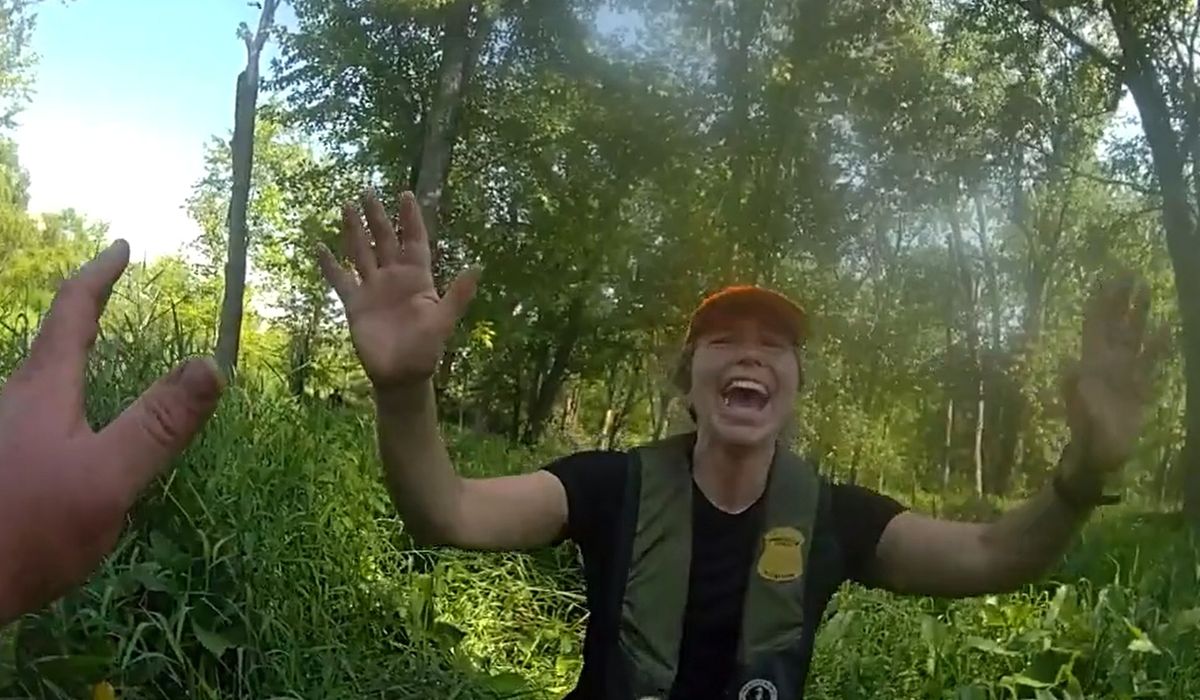
Michigan state troopers rescued two women and a boy who became lost after tubing on a river in a remote, wooded area, and emergency crews brought them out safe after a search in difficult terrain.
Michigan state troopers responded after calls about three people who were lost while tubing on a river. The group, made up of two women and a boy, ended up in a remote wooded section and needed assistance to get back to safety. Troopers worked to locate and extract them from terrain that can be confusing and hard to navigate.
Tubing on rivers is meant to be fun, but it can push people into places they did not expect. Currents, fallen trees, and dense shoreline brush can separate tubers from their planned route and from each other. In remote stretches, cell signals can be spotty and landmarks are easy to misread, which makes quick rescue harder.
Searches in wooded river corridors rely on training and local knowledge as much as gear. Troopers and other responders use maps, topography, and observations of the river to track likely routes and find people who have walked off trails. Coordinated efforts shorten the time people spend exposed to cold, water, and disorientation.
When responders find lost tubers they often focus on immediate medical needs and getting everyone out of harm’s way. Hypothermia, cuts, and exhaustion are common problems after long exposure in wet clothes and rough ground. Troopers stabilize anyone who needs it, then help them to a safer location where family or additional transport can meet them.
Prevention starts before you push off. Wearing personal flotation devices, bringing a waterproof way to call for help, and making sure someone on shore knows your route are simple steps that cut down on danger. Group planning helps too; decide on a turnaround point and keep an eye on one another so no one drifts out of sight.
Rivers that run through wooded areas look calm until they do not. Underwater hazards like snags and sudden drop offs are hard to spot from the surface, and branches along the bank can trap tubes or snag clothing. Low temperatures and wet conditions turn small problems into serious risks quickly, so avoiding unnecessary exposure is key.
Even experienced outdoor people can underestimate river travel. Overconfidence, alcohol, or poorly secured gear multiplies risk and reduces the margin for error. Staying realistic about skill level, current strength, and weather conditions keeps trips within what you can handle without needing a rescue.
Local emergency crews get real practice from calls like this, and that experience matters. Regular training and familiarity with nearby waterways make a difference when minutes count. Communities benefit when residents respect the environment and follow basic safety steps before heading out.
This rescue serves as an example of how quickly things can change on a river and how effective a coordinated response can be. Troopers and other responders stand ready to help, and people who recreate on water can reduce the need for rescues by planning, communicating, and wearing appropriate safety gear.

