

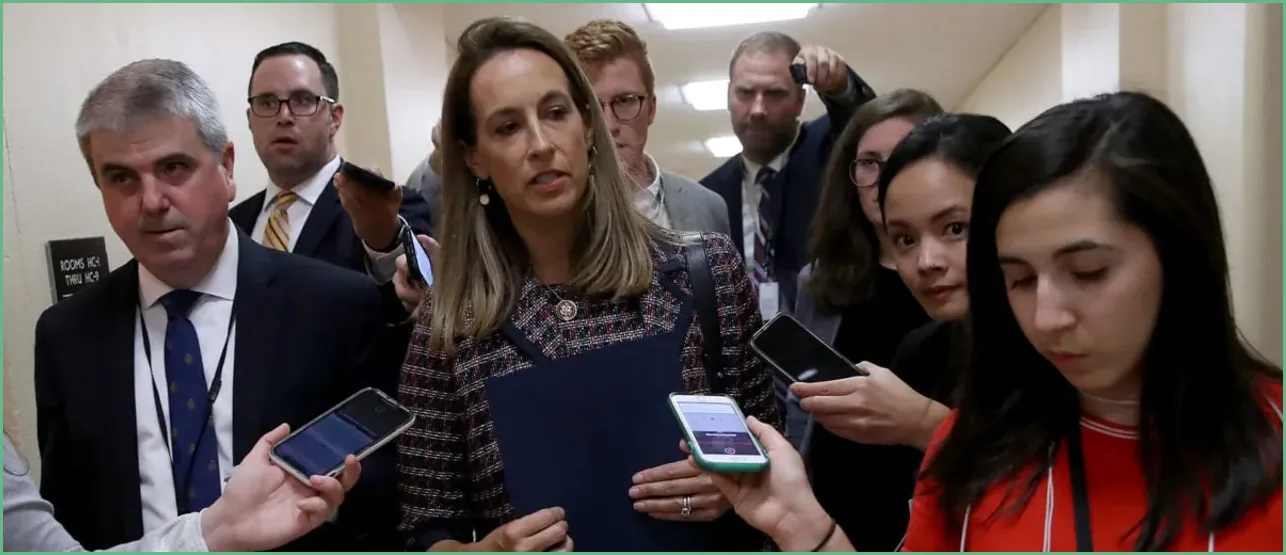
Mikie Sherrill’s Muddy Response To Resurrected Navy Cheating Scandal A Bad Look
Trust is the linchpin of any fighting force and it was the center of the controversy that erupted around the Naval Academy years ago. Sailors and officers rely on one another for split-second decisions where failure is not an abstract result. When that trust frays, the damage reaches far beyond an academic record.
I graduated from the Naval Academy and served as a submariner, so this story lands personal and sharp for many of us who wear those years as a moral ledger. The 1992 “double E” cheating scandal was not just a classroom incident, it was an institutional wound. The Academy’s reputation for honor suffered because far too many midshipmen did not do the hard thing.
The facts are simple: a stolen exam circulated, students used it, and a culture of silence let a small cheat become a systemic failure. Some were the thieves, some knowingly used the stolen material, and others watched the rot and did nothing. In such a system silence is complicity, and complicity corrodes trust.
Mikie Sherrill’s role in that period has resurfaced as she seeks higher office in New Jersey, and the questions aren’t just about a long-closed campus scandal. Voters have a right to know whether a candidate accepted responsibility, learned from it, and showed the character the public expects from a former officer. Instead, what we see is muddled explanation and deflection.
Faced with a choice between the honor code and protecting peers, midshipmen were supposed to uphold a higher standard. The Academy taught the “Ethics for the Junior Officer” course and held the idea of duty above convenience. Choosing concealment over clarity undercuts that entire training regimen.
Sherill reportedly avoided the harshest penalty but was prevented from walking at graduation, a compromise that signals institutional ambiguity. That ambiguity is political oxygen for opponents and corrosive to citizens who want straightforward accountability. When discipline is not plainly enforced, the lesson given is confusing at best and cynical at worst.
Some have Sherill’s decision making, including commentators who argue she “did the right thing” because “snitches get stitches.” That defense is a cultural shrug that excuses wrongdoing and elevates loyalty to peers over duty to country. It’s a dangerous logic to import into public life and governance.
The honor code we all pledged remains crisp: “to not lie, cheat or steal.” Those words are not a casual slogan but a standard meant to guide judgment under pressure. Ignoring that standard for comfort or career leaves a stain that second chances must honestly address.
Politics now sits atop the old academy questions, and Sherrill’s response has leaned toward legal alarms about the release of records rather than a full-throated ownership of past choices. That tactic looks like a defensive political play more than a candid reckoning. Voters deserve an answer that is plain and direct, not a haze of lawyers and press statements.
Beyond individual accountability, the scandal invites a broader debate about military culture and consequences for leaders. A military that tolerates veneer over truth sacrifices readiness and morale. This matters because the Navy faces strategic threats that require trust in leadership, not convenient stories to paper over errors.
We’ve seen decisions in recent years that indicate a drift from rigor and consequence, with operational readiness and ethics both on the line. Too many leaders chase advancement while sidestepping the uncomfortable discipline that builds character. When officers prioritize personal trajectory over institutional integrity, the force weakens.
Second chances should be real and restorative, not merely procedural or public relations maneuvers. Real restoration requires acknowledgment, explanation, and deliberate behavior change that can be seen and measured. Until that happens, questions about judgment remain legitimate and pressing.
Sherrill has a pathway to regain trust if she chooses it, and that pathway is plain: admit what happened, explain the choices, accept appropriate consequences, and demonstrate sustained service that proves the lesson stuck. Evading that sequence only extends suspicion. Leadership demands accountability before it can claim redemption.
For Republican voters and conservatives watching closely, this is not merely partisan fodder but a test of values. We believe institutions function best when standards are enforced fairly and when leaders are held to what they once pledged. The electorate should expect clarity, not obfuscation, from anyone who claims the mantle of public service.
In the end the question is simple: has Mikie Sherrill earned back the public’s trust, and has she shown the candor and integrity voters need in a governor? If the answer is unclear, then the burden remains on her to make it clear. America and her military deserve nothing less than plain answers and demonstrable integrity.

