

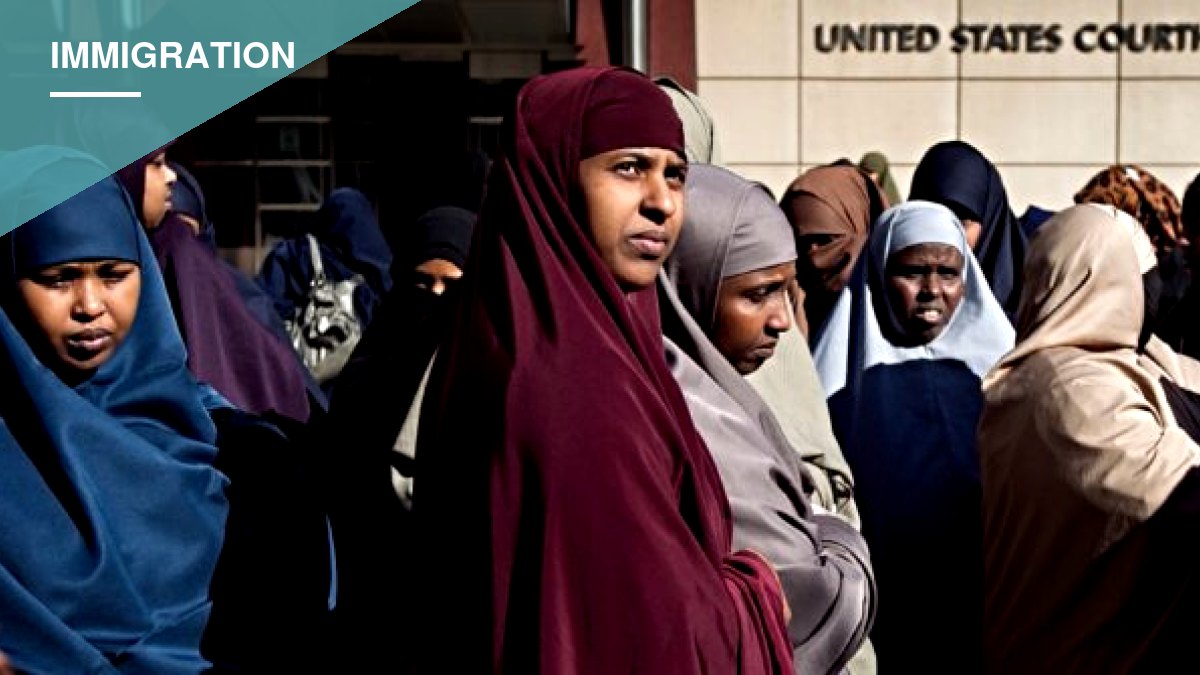
Two faith-affiliated charities, Catholic Charities and Lutheran Social Services, received at least $62 million from government sources to resettle Somali refugees in Minnesota, according to a report examined by the New York Post. The spending has drawn scrutiny amid Minnesota’s broader struggles with fraud in state-funded programs.
The U.S. Conference of Catholic Bishops, which oversees Catholic Charities nationally, has taken in roughly $140 million in federal funds tied to Somali resettlement efforts, the Post reported.
Both organizations trace their resettlement work back to the aftermath of World War Two, when they helped relocate Christians displaced by the war. Over recent decades, the groups shifted toward government-subsidized operations rather than relying primarily on private donations.
Since 1993, Catholic Charities and Lutheran Social Services, the latter now operating as Global Refuge, have resettled more than 29,000 Somalis in Minnesota, drawing approximately $2,500 in public funds per person. That money covered food, clothing, legal assistance, healthcare, social work and housing costs.
More than 100,000 Somalis now live in and around Minneapolis, a figure driven in part by family reunification provisions that allow a single resettled refugee to later bring extended family members into the country without additional vetting costs.
Why Minnesota
Parker Thayer, a researcher with the Capital Research Center, told the Post that Minnesota’s social safety net made it an attractive resettlement destination.
“They picked Minnesota because it had extremely generous state social safety net policies and welfare programs, which of course made resettling refugees there easier,” Thayer said.
Thayer also raised questions about how many resettled individuals meet the legal definition of refugee.
“A lot of these people, while claiming to be refugees, you look at their Facebook pages, or you look at indictments and find that they routinely travel out of the US back to the place they are supposedly a refugee from,” he said.
Thayer further argued that concentrated resettlement has produced strain in host communities.
“They’re creating multiple problems by resettling large numbers of people in one area at the same time they’re creating isolated ethnic enclaves across America, which seem to be causing some cultural problems,” he said.
Funding Pullback and Layoffs
Several resettlement organizations have recently reduced staff as donations have declined and as the Trump administration has curtailed federal funding for refugee programs. Catholic Charities laid off hundreds of employees across its national office network earlier this year.
Utah’s Role
The Church of Jesus Christ of Latter-day Saints, headquartered in Utah, has also directed substantial funds toward refugee resettlement nationally. The church donated $5 million in 2021 to support resettlement efforts and, by that same year, had contributed more than $3 million to the U.S. Committee for Refugees and Immigrants.

