

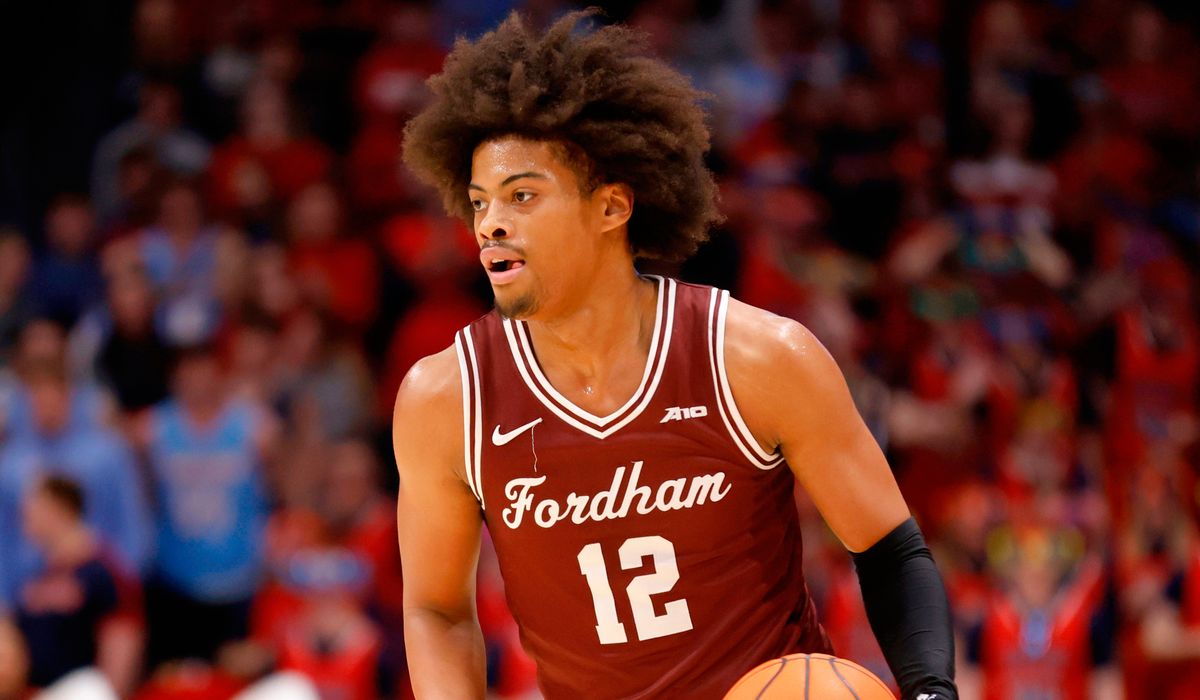
Two former Fordham players were permanently banned by the NCAA on Tuesday for their roles in a point-shaving scheme that was the subject of a sprawling federal indictment unsealed in January.
The NCAA’s decision to issue permanent bans marks a rare and severe enforcement response to alleged gambling-related corruption in college basketball. The move follows a federal indictment that exposed a wide-reaching scheme tied to betting activity and game manipulation. Schools, fans, and regulators are all watching how athletic programs rebuild trust after such revelations.
Point shaving is a form of cheating where players manipulate the margin of victory without necessarily changing who wins the game. That subtlety makes it hard to detect at first and dangerous for competitive integrity, because it turns routine plays into pieces of a larger illegal puzzle. Investigations into these schemes often rely on betting data, communications, and cooperation from insiders to connect the dots.
For the players involved, a permanent NCAA ban closes the door on participating in college athletics again, and it typically follows an institutional and independent review. Beyond the NCAA’s administrative punishment, federal investigations can carry criminal exposure depending on the evidence and prosecutions pursued. Even without criminal convictions, the reputational damage and career disruption are immediate and long-lasting.
The fallout affects more than the individuals directly accused; programs and teammates also suffer collateral harm in recruiting, scheduling, and public perception. Coaches and athletic departments must respond quickly with transparency, compliance checks, and communication to alumni and fans. Those actions are meant to reassure stakeholders and reduce the risk of additional violations.
A broader concern is the ease with which online betting markets can be exploited, and how rapidly money moves across platforms and accounts. Regulators and leagues are increasingly focused on suspicious wagering patterns, but monitoring all activity is a complex, resource-intensive task. Institutions are being urged to step up education for athletes and staff about the legal and ethical boundaries around gambling.
Compliance units within athletic departments play a key role once allegations surface, coordinating with law enforcement and the NCAA to preserve evidence and limit further exposure. Their job includes reviewing records, interviewing witnesses, and tightening internal controls to prevent repeats. Those steps often determine how an institution is judged in subsequent findings and sanctions.
Public interest in cases like this tends to be intense, since college sports blend community loyalty, commercial stakes, and young athletes who may be vulnerable to outside influence. Fans want assurance that games are fair, while lawmakers and regulators push for stricter oversight when scandals emerge. The tension between legal obligations and competitive pressures creates a difficult environment for honest program management.
Preventing future incidents will likely involve a mix of technology, policy, and cultural change inside programs. Real-time monitoring of betting markets, stronger education programs for student-athletes, and clearer reporting channels for suspicious approaches can help. Athletic leaders and compliance officers will need to treat gambling risks as an ongoing safety and integrity issue rather than a one-off problem.
The criminal investigation tied to the indictment that was unsealed in January underscores how interconnected sports and illicit betting operations can be. Federal authorities often collaborate with state regulators and sports bodies to piece together complex financial trails and communications. That cross-agency approach is necessary when alleged schemes cross state lines and involve organized networks.
For college athletics to recover public trust, institutions must be candid about what went wrong and proactive about fixing weak spots. That means holding accountable those responsible, supporting honest student-athletes, and investing in prevention. Those steps are essential for preserving the competitive spirit fans expect from college basketball.

