

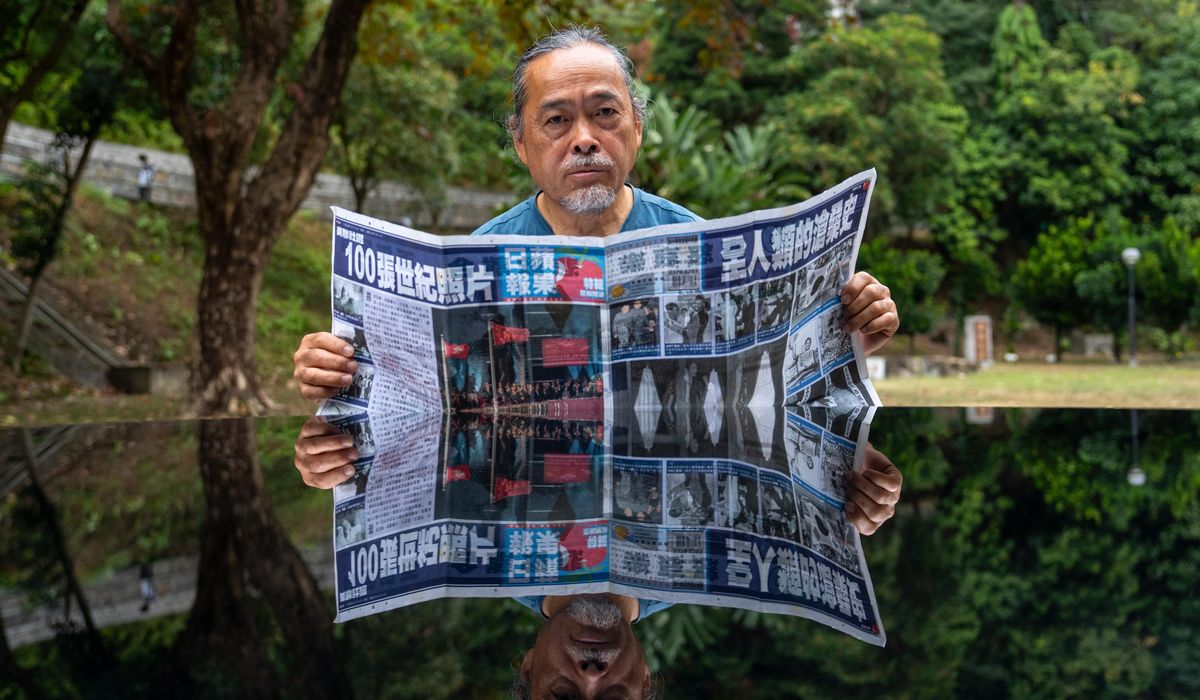
Nearly five years after Hong Kong’s pro-democracy Apple Daily shut down and its founder was jailed, former staff and readers still mourn a once-vigorous voice in the city’s media landscape and worry about the long-term effects on free reporting.
The closure of Apple Daily left a visible gap in Hong Kong’s information ecosystem, one that resonated beyond newsroom walls. Journalists who once worked there describe sudden unemployment, legal threats, and a chilling effect on colleagues who stayed in other outlets. Readers who relied on its reporting feel a private loss and a public warning about how quickly media diversity can evaporate.
Legal pressure played a central role. Authorities used broad national security measures to freeze assets and charge executives, creating a legal environment where running a bold, independent publication became financially and personally risky. That combination of criminal exposure and economic strangulation made it hard for any large-scale, investigative outlet to survive.
Self-censorship followed. Reporters and editors across Hong Kong began weighing stories against potential legal consequences rather than news value alone. Editors who once pushed boundaries now balance caution with the need to inform readers, and in many cases caution wins when reputations and freedom are at stake.
Readers adapted by turning to small independent sites, encrypted messaging groups, and overseas platforms, but those substitutes lack the scale and resources of a major paper. The shift also boosted platforms that favor quick takes over deep reporting, changing the incentives for serious journalism. Over time, the city risks losing institutional knowledge that only stable, well-resourced newsrooms can preserve.
For former staff the personal toll was heavy. Some faced criminal charges, others left Hong Kong, and many carry the memory of abrupt raids and public seizures of printing presses. That trauma shifts career plans, and a generation of journalists now weighs whether staying in reporting is worth the potential professional and legal costs.
Economically, the fallout reached advertisers, vendors, and small businesses that depended on newspaper pages for visibility. When the largest pro-democracy daily vanished, advertising dollars followed, and the ecosystem of services around print media shrank. That creates a feedback loop: less revenue, fewer reporters, and weaker scrutiny of powerful actors.
International reactions were mixed and often symbolic. Governments and rights groups voiced concern, but long-term remedies are elusive when legal frameworks shift and enforcement is robust. From a conservative perspective, the rule of law matters, but so does predictable, fair application—when laws become tools for political aims, trust dries up quickly.
Technology has complicated the picture. Social media and encrypted channels help distribute information, yet they also spread rumors and partisan noise that can drown fact-based reporting. Rebuilding credible outlets requires not just platforms but a business model and legal certainty that allow journalists to investigate without fear of sudden closure.
Despite the setbacks, small teams and independent journalists continue working, finding creative ways to report and publish. Their persistence shows that the appetite for investigative work and local accountability still exists, even under tougher conditions. But without structural support and a climate where press institutions can thrive, their reach remains limited.
The loss of Apple Daily serves as a reminder that vibrant journalism needs more than talent—it needs legal protections, diversified funding, and public trust. Observers in Hong Kong and beyond are watching to see whether new institutions can fill the void or whether this shift marks a permanent narrowing of the city’s civic conversation.

