

Three races are shaping the political map this year: New Jersey governor, New York mayor, and Virginia governor. I’m laying out where each contest stands, what shifted recently, and why Republicans still have real pathways to victory. Read this as a plain, hard-headed update from a conservative perspective.
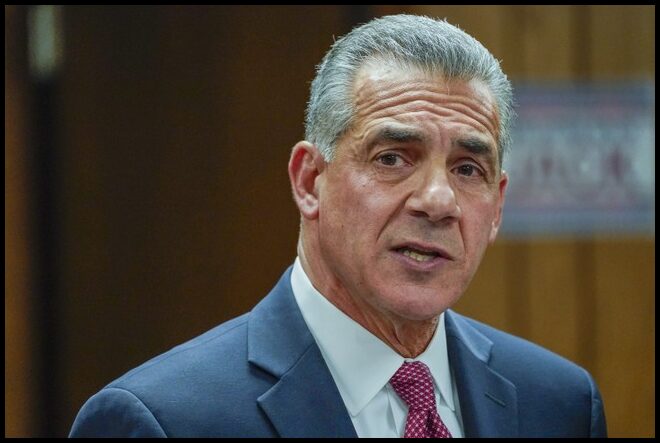
New Jersey looks like a Democratic lean on paper, but the contest between Congresswoman Mikie Sherrill and Jack Ciattarelli has tightened in ways that matter. Polling averages still favor Sherrill, yet campaign and independent surveys have recently shown a much closer race and even a dead heat in one reputable poll.
That split between the daily polling average and campaign-released internals is exactly why Republicans are encouraged right now. Campaign polls are often polished for donors, but when an independent poll corroborates an internal, it becomes real traction instead of spin.
Ciattarelli is picking up independents at a higher rate than expected, and the DNC’s spike in spending — its largest for a New Jersey off-year race — suggests Democrats are nervous. When your opponent pours unprecedented cash into a state-level contest, believe them: they think the race is closer than it looks.
The Sherrill campaign has handed Republicans material they can use and voters notice. She’s struggled to answer questions about how she amassed significant stock gains while serving in Congress, and revelations about a Naval Academy cheating scandal that sidelined her from walking at graduation remain unexplained.
Sherrill’s refusal to release school records and her attempts to conflate unrelated leaks with legitimate records requests have only intensified curiosity and suspicion. The campaign missteps have been turned into crisp attack messages, with Ciattarelli’s team stacking footage and quotes into ads that land with voters.
Beyond the personalities, New Jersey voters still rank the same practical problems at the top: rising property taxes, higher energy costs, and crime. Those issues historically make it hard for one party to win a third consecutive gubernatorial term, and that structural challenge matters more than one flashy poll.
New York Mayor & Virginia Governor
New York City’s mayoral tilt has shifted dramatically with Eric Adams out of the race, and the left flank that now controls the Democratic nomination worries every sane voter in the city. Zohran Mamdani, who won the Democratic primary over Andrew Cuomo, carries radical policy baggage and troubling associations that make him a dangerous prospect for New Yorkers tired of rising crime and disorder.
Mamdani’s policy prescriptions read like a radical experiment: heavy redistribution, soft-on-crime instincts, and rhetoric that has alienated large swaths of the city’s electorate. Polls before Adams bowed out gave Mamdani a solid plurality while Cuomo trailed as an independent and Republican Curtis Sliwa lagged far behind.
If the Adams supporters split between Cuomo and Sliwa, Cuomo gains the most, but consolidation is the only real stopper for Mamdani. The math is simple: without a unified anti-Mamdani coalition and an aggressive campaign to turn out concerned moderates and conservative-leaning Democrats, the city risks electing a mayor whose policies will encourage lawlessness and empower hard-left groups.
https://x.com/dnews2022/status/1972324607668482431?t=woodsY0VWcX0G3EIAyMQlA&s=09
History offers a blunt lesson on ugly choices: in one notorious governor’s race voters effectively decided, “VOTE FOR THE CROOK: IT’S IMPORTANT.” That kind of tactical voting is what New Yorkers will face if Mamdani remains the only credible coalition-breaker on the ballot.
Over in Virginia, the spreadsheet looks less dramatic but still winnable for Republicans. Former congresswoman Abigail Spanberger leads in averages, but Lt. Gov. Winsome Earle-Sears and the GOP have reasons to be optimistic about turnout and enthusiasm this cycle.
Early voting this year has shown stronger Republican engagement than in comparable cycles, and local party organizers report more volunteers and new donors at the precinct level. That grassroots energy matters in Virginia’s long early-vote season, where sustained ground game activity can swing tight margins.
Spanberger’s campaign has been uneven and at times tone-deaf on culture questions that matter to swing voters, including evasive answers about the “trans issue” and hesitation on other social concerns. Combine that with voters’ pocketbook anxieties over inflation and energy costs, and Spanberger’s lead looks vulnerable if Republicans keep turning out and executing a focused message.
These three races are not academic exercises; they are working tests of conservative messaging, organization, and willingness to fight. Republicans have clear advantages when they stick to bread-and-butter issues voters care about and contrast them with Democratic missteps and radical local nominees.

