

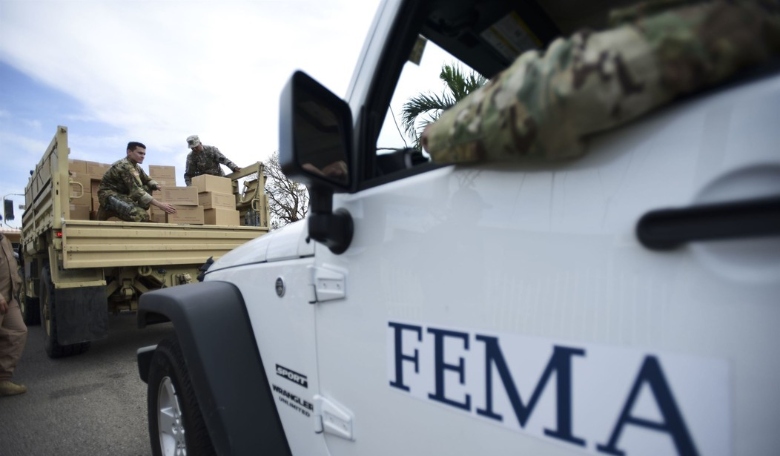
Hurricane Helene devastated western North Carolina in October, leaving behind a trail of destruction and despair. Entire communities were upended, roads were destroyed, and countless families found themselves without homes. While the Federal Emergency Management Agency (FEMA) assured the public that help was on the way, a whistleblower has come forward to allege that relief efforts are being obstructed by bureaucratic inefficiency and questionable agency practices.
Marn’i Washington, a former FEMA reservist and disaster assistance crew leader, has spoken out about the agency’s mishandling of aid, particularly its failure to distribute housing units to those in desperate need. Her revelations have raised serious concerns about FEMA’s response and priorities during one of North Carolina’s most trying times.
The physical damage from Hurricane Helene was catastrophic, but the emotional and financial toll has been just as severe. Families who lost everything continue to struggle to rebuild their lives while waiting for promised federal aid.
FEMA has provided limited support, but Washington’s testimony suggests that much-needed housing units remain undistributed, with no clear timeline for their release. This delay has left many residents stuck in limbo, relying on temporary shelters or overcrowded conditions.
In a recent interview on Roland Martin Unfiltered, Washington described systemic problems within FEMA that go beyond simple delays. She revealed that housing units, intended for immediate disaster relief, remain unused due to agency mismanagement and an alleged lack of urgency.
Washington pointed to a broader culture of avoidance within FEMA, claiming that certain disaster zones were deliberately overlooked. This, she said, was not limited to North Carolina but occurred in other states affected by natural disasters, including Florida.
“Senior leadership will lie to you and tell you they did not know,” Washington alleged. “But if you ask the people in the field, they’ll tell you the truth.”
Washington also revisited a controversial incident involving a FEMA crew leader who instructed teams to avoid assisting homes displaying Trump signs. While the individual was fired after the story broke, Washington claims this behavior was indicative of a broader problem within the agency.
She alleged that political and cultural biases influenced decisions about where and how to allocate resources. Washington stated that such actions were justified internally under the guise of “keeping teams safe” but argued that it ultimately led to neglect of those in need.
Another issue Washington highlighted was the agency’s focus on Diversity, Equity, and Inclusion (DEI) initiatives during critical disaster relief efforts. She described internal FEMA meetings where employees advocated for prioritizing aid based on DEI principles rather than the immediate needs of disaster victims.
Critics argue that these priorities have led to delays and inefficiencies, with resources being allocated based on ideological considerations rather than the urgency of the situation. Virtual meetings, Washington said, often devolved into symbolic gestures such as “virtual hugs,” which, while well-intentioned, did little to address the dire needs of those affected by disasters.
For families in North Carolina, these delays are more than bureaucratic frustrations—they are life-altering. The unused housing units represent hope for displaced residents who continue to endure the fallout from Hurricane Helene.
Washington’s revelations have cast a harsh spotlight on FEMA’s leadership, raising questions about whether the agency is fulfilling its mission to provide timely and effective disaster relief. The lack of a clear timeline for releasing housing units has exacerbated the suffering of storm victims, many of whom feel abandoned by the federal government.
Washington’s testimony has sparked renewed calls for accountability and reform within FEMA. Lawmakers and advocacy groups are demanding an investigation into the agency’s handling of disaster relief and its internal decision-making processes.
Critics argue that FEMA’s leadership must address the cultural and procedural issues that have hindered its ability to respond effectively to disasters. Without significant changes, they warn, future relief efforts could face similar shortcomings.
The devastation caused by Hurricane Helene has left a lasting impact on North Carolina, and the delays in FEMA’s response have only compounded the suffering. Marn’i Washington’s whistleblower account sheds light on systemic issues within the agency that must be addressed to restore public trust and ensure effective disaster relief.
For the families still waiting for housing and support, the stakes couldn’t be higher. As Washington’s allegations come to light, the nation will be watching to see whether FEMA steps up to meet its obligations—or continues to leave disaster victims in the lurch.


4 Comments
FEMA is yet another example of Biden administration incompetence and profligate spending. It will be difficult to find a US agency that isn’t incompetent, corrupt or both. It will take years to put US back on the right track, especially with do nothing, know nothing Democrats doing everything possible to derail Trump efforts.
how true and disgusting it is … another corrupt agency . Under Biden / Harris
Stop the bullshit and arrest these leaders of FEMA and tell the staff that THEY will be FIRED unless they move their as$ and get the housing units to those who NEED them. This is not only ridiculous but dangerous! I hope TRUMP takes action quickly.
cant wait until this administration is out on their butts … worst administration EVER .