

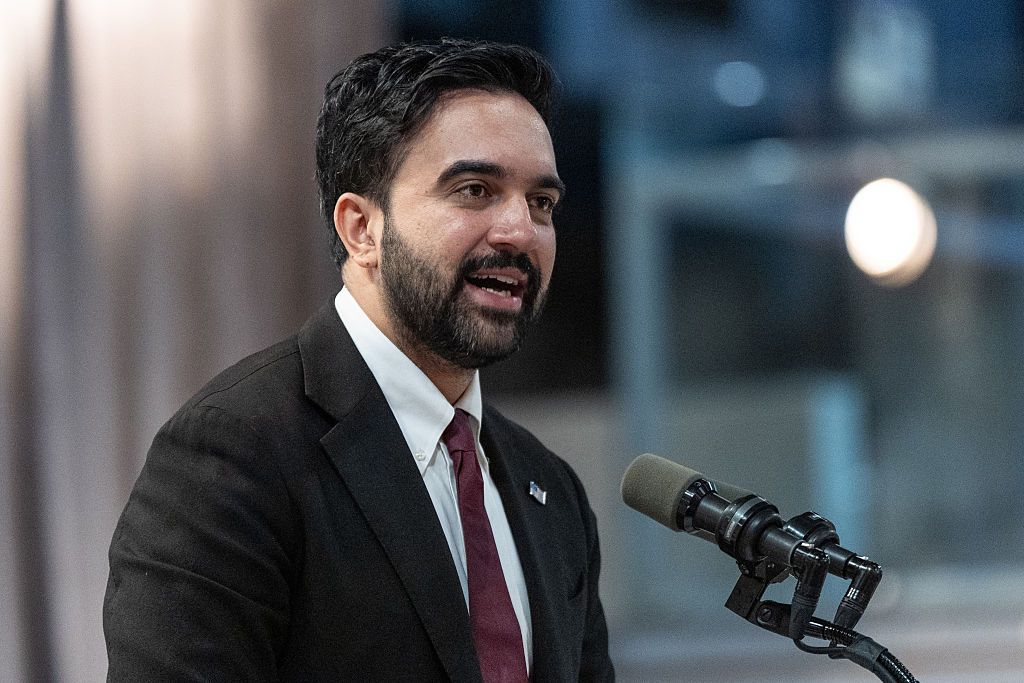
Beyond the Hoopla, the Democrats Have Big Ideas for 2026 — a brisk look at what their plans really mean for voters and for the country.
Jun 2, 2026 is the date on the calendar, and Democrats are offering up a suite of bold-sounding programs meant to define the next election cycle. Their rhetoric promises sweeping change, but the real test is whether those ideas would produce better outcomes or simply swell government control. Voters deserve plain talk about tradeoffs, costs, and who pays when lofty goals meet reality.
“Do the policies Dems are pitching to the public reflect any change of direction?” That line floats through the conversation because the policy proposals often look like reruns with flashier marketing. Messaging matters, but so do details, and the details here point to expanded federal spending, more centralized regulation, and a stronger reliance on bureaucracy to enforce priorities. For conservatives, that signals a familiar choice: more government versus individual freedom and market solutions.
On the economy, Democrats talk green jobs and industrial policy as if picking winners from Washington yields lasting prosperity. History and common sense suggest otherwise; when politicians choose industries to prop up, taxpayers shoulder the losses and entrepreneurs lose the freedom to innovate. Republicans argue growth comes from lower taxes, fewer regulations, and unleashing private capital, not government-directed schemes that pick favorites and punish competitors.
Immigration and the border get selective attention framed as humane reform, but enforcement gaps remain a glaring issue. Policies that encourage legal flows and tighten enforcement at the same time are hard to find in the Democrats’ lineup, leaving citizens worried about public safety, job competition, and fiscal strain. A secure border paired with smarter legal pathways is the common-sense approach that earns working Americans’ trust.
On energy, the Democratic agenda often emphasizes rapid transitions to renewables, while minimizing the operational reality of power grids and the costs families face. Pushing too fast without reliable baseload and affordable alternatives risks higher bills and unstable supply. A conservative perspective favors pragmatic energy security that balances environmental goals with economic stability and national resilience.
Health care proposals from the left promise broader coverage but rarely confront sustainability or choice. Expanding government programs tends to crowd out private innovation and reduce patient options over time, especially when funding gaps appear. Republicans prefer reforms that increase competition, improve transparency, and give people control over their own care rather than expanding one-size-fits-all federal programs.
Crime and public safety get rhetorical attention, yet policy details matter more than slogans about reform. Communities want accountability, clear rules for law enforcement, and practical steps that deter crime while protecting civil liberties. The conservative stance emphasizes supporting local law enforcement with the resources and authority to keep neighborhoods safe rather than broad, federally imposed experiments.
Culture and education are central to the Democrats’ pitch, with an emphasis on identity and curriculum changes that reshape institutions from the classroom up. Those cultural efforts often become policy levers, creating federal incentives or penalties tied to ideological compliance. Republicans push back by defending local control, parental rights, and curricula that focus on core skills rather than political certification.
Winning 2026 needs more than flashy proposals; it needs credibility on costs, competence, and constitutional boundaries. Democrats will keep selling big ideas that appeal to energized bases, but voters are increasingly asking whether those ideas make government bigger or citizens freer. The political choice ahead boils down to whether Americans prefer centralized planning with grand promises or a renewed focus on individual liberty, economic freedom, and accountable government.

