

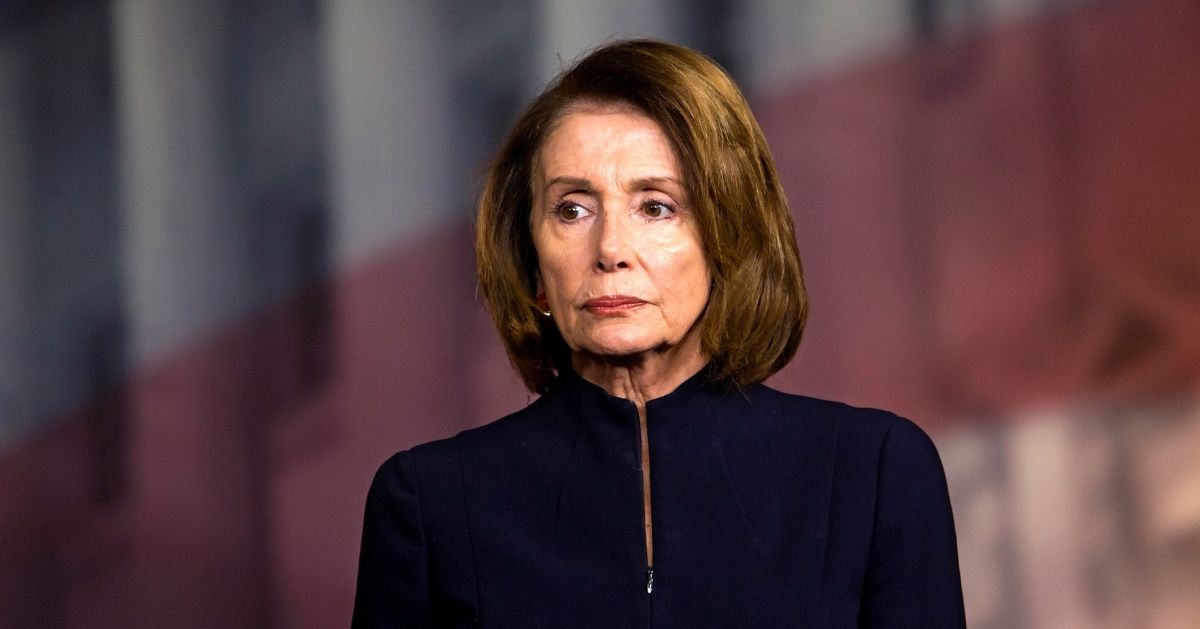
Nancy Pelosi, at 85, announced she will not seek another term, and her long tenure on Capitol Hill has been marked by a dramatic rise in personal wealth that has drawn scrutiny and prompted calls for strict limits on members’ financial holdings.
Pelosi’s departure comes after a career that many in Washington now view as unusually lucrative, a fact underscored by a fresh report tracking her declared finances back to the year she first entered Congress. Her finances have become a focal point for critics who ask whether elected officials should hold sizable individual stock positions while shaping national policy. Those critics have pushed legislation aimed at stopping members and their spouses from keeping concentrated securities portfolios.
The report drew on Pelosi’s 1987 financial disclosure, the document she filed when she first took office, showing a combined stock portfolio with her husband, Paul Pelosi, initially valued between $610,000 and $785,000. Over the decades that starting range expanded into a reported $133.7 million in assets now tied to their holdings. That scale of increase stands out in a town where access, timing, and information raise questions about how public servants grow private fortunes.
The math is stark: the reported climb equates to a 16,930% return since 1987, a figure far beyond what ordinary investors or the broader market saw in the same span. By comparison, the Dow Jones Industrial Average rose roughly 2,300 percent during that period, a gulf that fuels distrust among voters who expect public servants to prioritize the public good. Those numbers are why some lawmakers argue the rules that govern members’ finances need an overhaul.
Missouri Republican Sen. Josh Hawley made that argument concrete in 2023 with the Preventing Elected Leaders from Owning Securities and Investments Act, which would bar members of Congress and their spouses from owning individual stocks and similar instruments, limiting investments to diversified funds or U.S. Treasury securities. That proposal reflects a simple Republican principle: avoid conflicts of interest by drawing a clear line between policymaking and private profit. Supporters say it would restore basic public trust without preventing members from saving for retirement.
Hawley also pushed a related measure known as the Honest Act earlier this year, which attracted attention from allies in the White House. The idea of restricting individual holdings came up in a high-profile July interview where CNN’s Jake Tapper raised the topic directly with Pelosi, and the exchange quickly grew tense. The back-and-forth highlighted how sensitive questions about personal wealth and public service remain in American politics today.
“This afternoon, President Trump mentioned you, and he made an allegation about your investments. I want to roll that clip and then give you a chance to respond,” Tapper began.
“We seem to be having some — let me just read what he said. I’m sorry that we had some sort of technical issue. Nancy Pelosi became rich–“
Pelosi interrupted Tapper and pushed back sharply, saying, “Why do you have to read that? We’re here to talk about the 60th anniversary of Medicaid. That’s what I agreed to come to talk about.” She also accused the president of deflecting criticism, arguing he “has his own exposure” and is “always projecting.” Pelosi finished the exchange with, “Let’s not give him any more time on that, please. We’re going forward here.”
The episode left conservative critics arguing the press should press harder on the financial gap between when Pelosi entered public life and the scale of wealth now tied to her household. For Republicans, the situation is less about personal attacks and more about preventing the appearance or reality of conflicting incentives in the people who write laws for everyone else. The debate is likely to continue as lawmakers consider how best to police stock trades and private investments by those who hold public power.
Pelosi’s announcement closes one chapter but keeps another open: the policy fight over whether lawmakers can ethically hold individual securities while voting on matters that affect markets and industries. The figures and the interview clip are now part of that broader argument over transparency and accountability in Washington. Expect more proposals and more heated exchanges as the next Congress takes up the question of who should be allowed to profit while in office.

