

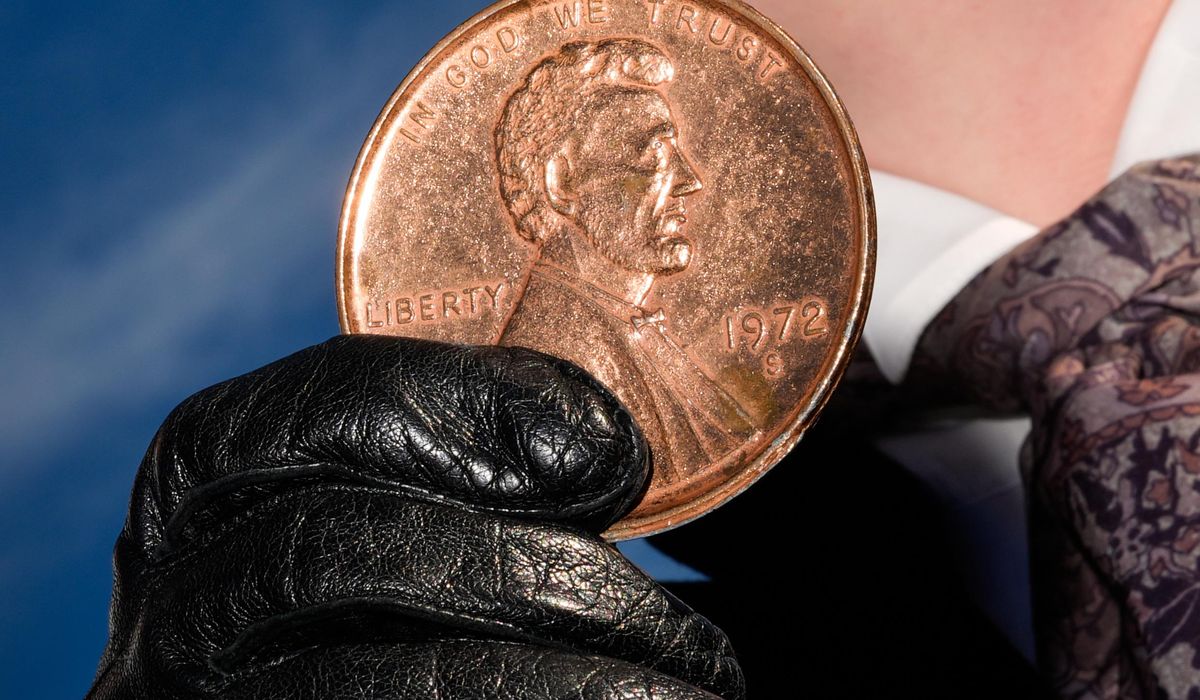
Fairfax County will round cash fee and tax payments to the nearest nickel because pennies are in short supply.
Local governments are adjusting how they handle coins after supply problems made pennies hard to come by. “Due to the shortage of pennies, costs owed to pay a Fairfax County fee or tax in cash will now be rounded up or down to the nearest nickel.” That change is a practical fix to a small but persistent problem. It keeps lines moving and avoids requiring staff to hunt for exact change.
The penny shortage is real and has been noticed in stores, banks, and municipal offices. Fewer pennies circulating, combined with increased demand at certain times, can leave cashiers and county clerks short of one-cent pieces. That creates friction when customers insist on paying exact amounts in cash or when machines expect precise change.
Rounding to the nearest nickel is a simple arithmetic solution that minimizes the impact on most transactions. If a total ends in one or two cents, the amount is rounded down; three or four cents round up. Rounding rules balance out small gains and losses across many transactions, so most residents will see negligible difference over time.
The policy applies only to cash transactions, which is a deliberate boundary. Electronic payments, checks, and card transactions can still process exact totals down to the penny. By targeting cash only, the county avoids altering payment amounts for people who prefer digital methods while giving cash customers a clear, simple rule to follow.
For people worried about fairness, the maximum shift per transaction is two cents either way, which is small compared with most fees and taxes. That tiny variance is intended to be less disruptive than the alternatives, which could include running out of change, turning away customers, or imposing minimum payment units. The rounding approach is meant to be predictable and consistent across all county offices.
There are practical steps residents can take if they want to avoid rounding. Paying by card or check lets you preserve exact penny amounts, and many banks will still provide coin rolls or exchanges if you need pennies for other uses. Some businesses and municipal offices also accept electronic wallets, so switching to a non-cash option is often straightforward.
Behind the shortage are several contributing factors rather than a single cause. The movement of coins through the economy slowed during and after recent disruptions, and many coins ended up out of circulation in jars and drawers. At the same time, production and distribution of coins must match demand across the country, and local spikes in need can create temporary shortfalls.
The debate over whether the penny should remain in circulation goes back years, with cost and utility at the center. Producing low-value coins can cost more than their face value, and some economists argue the penny’s role in everyday commerce is shrinking. Local decisions like Fairfax County’s rounding policy are a practical response to a narrow operational issue, not a final verdict on the coin itself.
Clerks and cash-handling staff benefit from a clear, simple policy that reduces confusion at counters and reduces delays for taxpayers. Training employees to apply the rounding rule consistently is straightforward, and customers can be informed at payment points to prevent surprises. Clear signage and a standard procedure mean fewer disputes over change at the window.
For residents who collect coins or who rely on exact cash accounting, the change may be a minor annoyance rather than a hardship. The county’s approach tries to respect both convenience and fairness, while acknowledging that the one-cent coin is increasingly scarce in everyday commerce. The rounding rule is about keeping transactions moving smoothly while the broader coin supply situation adjusts.

