

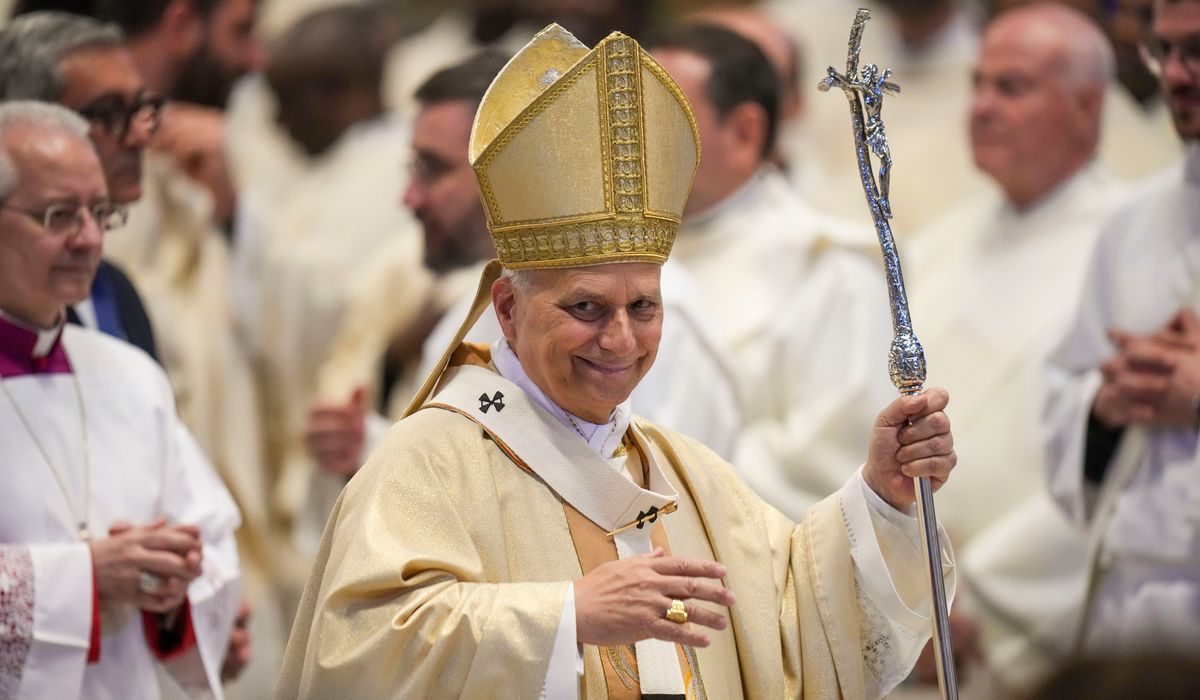
Pope Leo XIV and Archbishop of Canterbury Sarah Mullally met in the Vatican, shared a moment of prayer, and reaffirmed a commitment to bridge the gaps between their churches, with the pope promising to work to overcome differences “no matter how intractable they may appear,” in a gesture that blends spiritual solidarity with careful diplomacy.
The short ceremony brought two leaders from ancient traditions into a private space of prayer and conversation. Attendees described the mood as earnest and focused, with both figures emphasizing common ground alongside honest acknowledgement of disagreements. For many observers, the gathering underscored how faith leaders can model calm, deliberate engagement even when institutional histories are complex.
Pope Leo XIV spoke plainly about the need for sustained effort when he offered his vow. He said he would keep working to overcome differences “no matter how intractable they may appear,” and his words resonated with clergy who have long pushed for clearer channels of dialogue. The Archbishop of Canterbury, Sarah Mullally, responded in kind, framing the meeting as a step rather than a destination in ongoing conversations between their communions.
The meeting itself was compact, blending a shared prayer with a short exchange of perspectives. Both sides avoided grand pronouncements, choosing instead to emphasize tangible signs of cooperation including pastoral care and theological discussions. That practical tone signals an approach aimed at incremental trust-building rather than sweeping reforms overnight.
Observers noted the symbolic weight of the Vatican setting, which carries centuries of tradition and ceremony. Yet the language exchanged was pragmatic, reflecting a modern reality: religious institutions confront common challenges such as pastoral care in pluralistic societies and the need to connect with younger generations. The leaders’ focus on shared concerns allowed the encounter to feel both respectful of history and relevant to present needs.
For church members who hope for greater unity, the moment offered a carefully hopeful message. This is not a dramatic reconciliation or a doctrinal merger. Instead, it is a public example of high-level leaders choosing to prioritize conversation and mutual respect, even while clear theological and institutional differences remain on the table.
Critics on both sides pointed out that words must be backed by sustained action to matter. The pledge to work across difficult divides raises questions about timelines, practical steps, and measurable progress. Still, the very act of praying together and issuing a clear commitment sends a signal: leaders are willing to invest political and moral capital in the slow work of rapprochement.
The meeting also highlighted the personal element in diplomacy between churches. When two figures show up in person, pray together, and speak plainly, it humanizes institutions that can otherwise feel remote to ordinary worshippers. Those personal connections can create opportunities for lower-level dialogues to proceed with less suspicion and greater clarity.
Beyond the immediate exchange, the encounter opens space for follow-up initiatives that could include joint humanitarian efforts, shared pastoral programs, and ongoing theological dialogues. Any concrete partnership will likely move at a deliberate pace, reflecting the careful wording of the commitment they issued. Still, the tone set at the Vatican makes clear that reopening lines of cooperation is a priority for both offices.
Interest in the meeting will persist as faith communities and observers look for signs that words translate into concrete collaboration. For now, the image of prayer shared by Pope Leo XIV and Sarah Mullally stands as a reminder that institutional differences can be met with patient engagement and the steady work of building trust across long-standing divides.

