

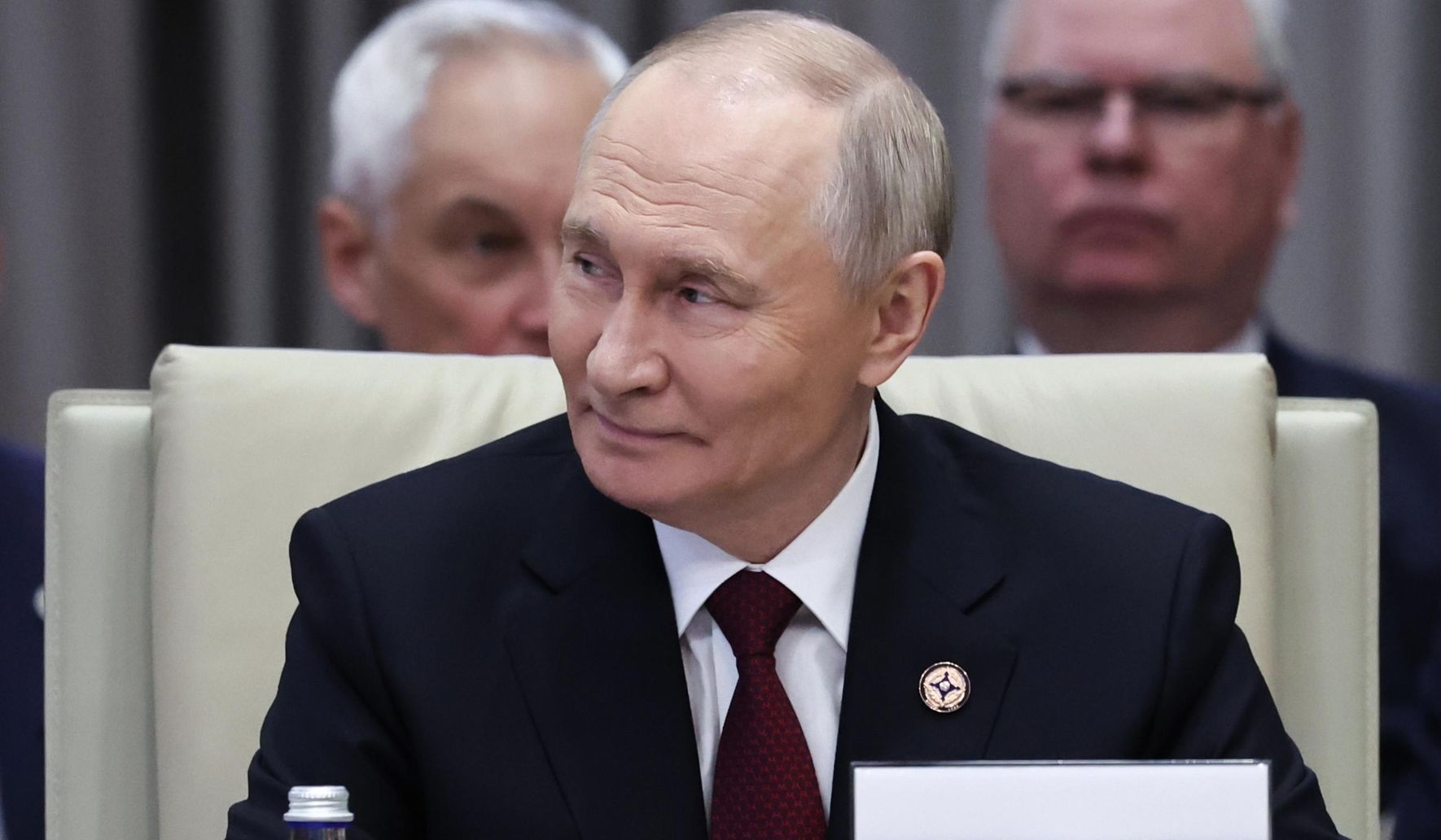
Russian President Vladimir Putin described the U.S.-backed peace proposal in the Ukraine-Russia war as a starting point for further talks and again insisted on the precondition that “Kyiv accept the Kremlin”
Putin’s framing of the U.S.-backed peace plan as merely a beginning sets a tone that will shape how negotiators and capitals respond in the coming weeks. He repeated a hardline precondition, saying Kyiv must “accept the Kremlin,” which signals Moscow is not treating the plan as a neutral basis for compromise. That stance complicates any immediate path to a ceasefire or political settlement and raises questions about what Moscow actually means by acceptance.
From a Republican viewpoint, the reaction should be clear-eyed and firm: rhetoric about discussions does not erase aggressive behavior or territorial ambitions. Dialogue is useful when it protects allies and deters further aggression, not when it masks demands that undermine a sovereign neighbor. Trust has to be earned and backed by deterrence, not blind optimism that words alone will change behavior.
Strategically, Moscow positioning the proposal as a first step gives it room to bargain for concessions that amount to long-term gains on the ground. That approach lets Russia test Western resolve while shaping the narrative to its advantage, all without committing to concrete, verifiable steps. Western leaders must press for transparency and measurable benchmarks if any talks proceed.
Any U.S. engagement must be conditioned on upholding Ukrainian sovereignty and ensuring that Kyiv can defend itself while negotiations occur. A real peace would require verifiable withdrawal, restitution for occupied areas, and security guarantees that prevent renewed threats. Bolstering Ukraine’s defenses and maintaining economic pressure on Russia remain critical levers to prevent Moscow from converting talks into rewards for aggression.
On the diplomatic front, allies need unity and clarity about red lines, or Moscow will exploit fissures in Western policy. Republicans typically argue that showing strength in tandem with diplomacy produces better outcomes than signaling weakness and expecting goodwill in return. Practical tactics include synchronized sanctions relief only after verified compliance and parallel support for Ukraine’s ability to resist coercion.
Domestic politics matter too, because any U.S. move toward negotiations will be scrutinized at home for whether it preserves American credibility. For Republicans, credibility means backing partners who defend freedom and punishing actors that invade their neighbors. That political pressure can be an asset if it forces a coherent policy that combines firmness with conditional diplomacy.
On the ground, Ukrainians will judge proposals by how they affect security, governance, and the chance to reclaim territory. Any deal that leaves populations vulnerable or freezes the status quo in favor of the aggressor will likely fail in practical terms and moral standing. The international community should be clear-eyed about what constitutes an unacceptable outcome versus an acceptable, enforceable settlement.
Finally, the U.S. and its partners should treat the U.S.-backed plan as leverage, not a mandate to accept premature concessions, and demand steps that can be independently verified. Putin’s description of the plan as a start and his insistence that “Kyiv accept the Kremlin” show Moscow’s intent to frame negotiations on its terms. The proper response combines readiness to negotiate with policies that sustain deterrence, protect allies, and keep open the option to raise costs if Moscow returns to aggression.

