

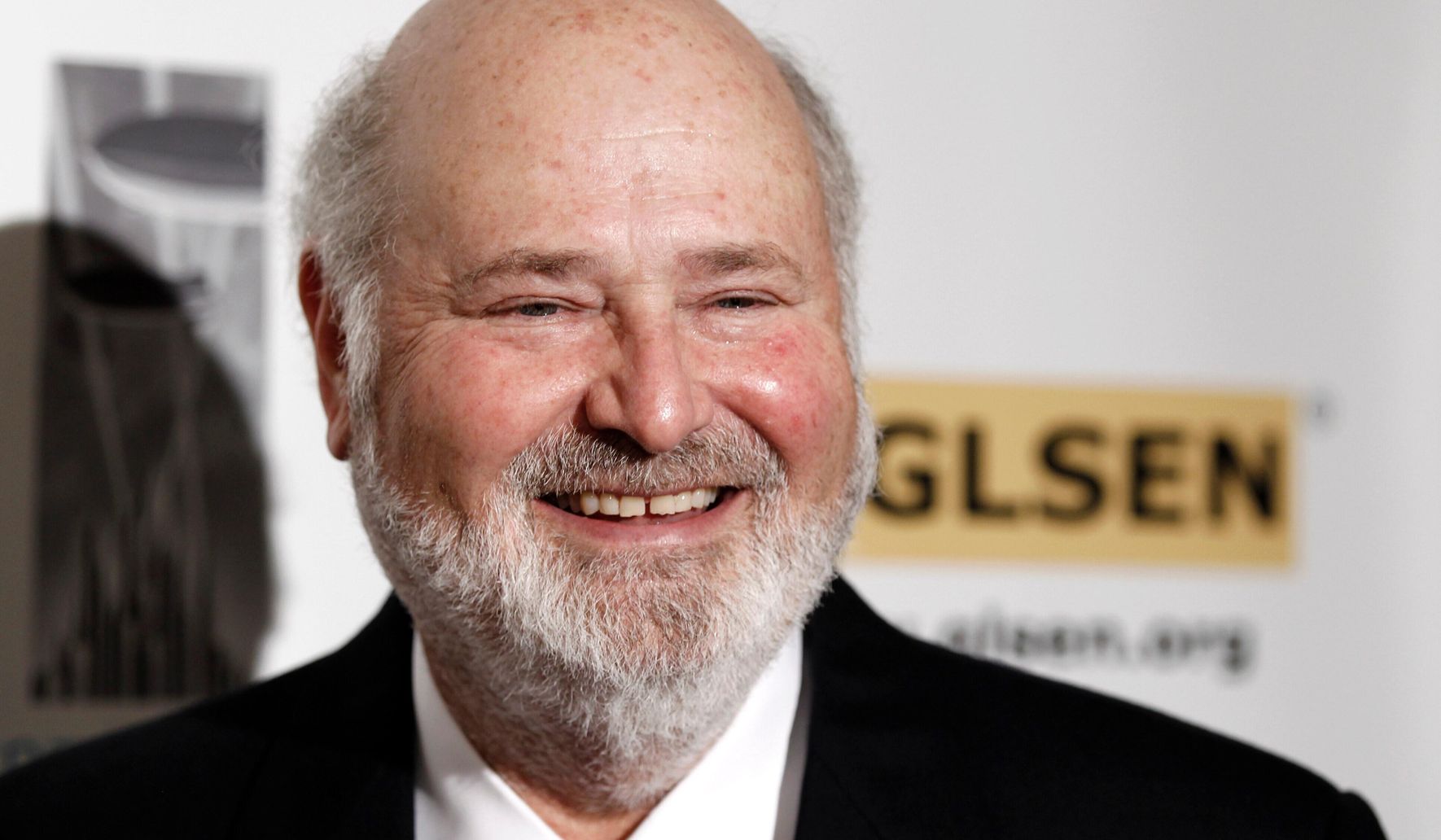
Los Angeles authorities say director-actor Rob Reiner and his wife Michele were found dead at a home he owns, and officials are investigating while the community waits for answers.
The discovery has stunned colleagues and fans who know Reiner from decades in film and television. Details remain limited as investigators work to piece together what happened at the Los Angeles residence. Officials are treating the scene with standard procedures while avoiding speculation until forensics and the coroner complete their work.
Director-actor Rob Reiner and his wife Michele were the two people found dead Sunday at a Los Angeles home owned by Reiner, according to a law enforcement official briefed on the investigation. That statement is one of the few confirmed facts circulating publicly as detectives conduct interviews and gather evidence. Investigators typically rely on forensic timelines, witness statements, and laboratory results before releasing causes of death.
Police and coroner’s teams often release minimal information early on to protect the integrity of the probe. That means families, friends, and the public may hear only official updates until toxicology and autopsy reports finish. The investigative timeline can stretch over days or weeks depending on what the scene reveals and lab backlogs.
Reiner’s career spans acting, directing, and producing, giving his passing immediate resonance across the entertainment world. Colleagues frequently comment on his contributions to film and television and his role in shaping modern comedy and drama. Public figures often draw quick attention, which can make it harder for private family matters to stay private while authorities investigate.
Newsrooms and social feeds inevitably fill with remembrance, conjecture, and tributes after a death like this. Still, law enforcement asked that information be funneled through official channels before becoming public. That approach helps minimize the spread of inaccurate details and prevents interference with ongoing work at the scene.
Family privacy is a central concern in these moments, especially when media attention is intense. Investigators usually coordinate with family liaisons to manage releases and provide updates on next steps, including formal identification and notification protocols. Officials emphasize that a careful, methodical process serves both legal standards and the family’s needs.
Once the coroner issues findings and toxicology results are available, authorities will likely disclose cause and manner of death if appropriate under investigative rules. Until then, the community and observers must rely on official briefings rather than rumor. That restraint preserves investigative integrity and respects those directly affected by the loss.
Local law enforcement will continue to gather evidence, review surveillance or records if available, and speak with anyone who might shed light on the final hours. The case will proceed through standard channels, and any charges or public statements will follow only when supported by confirmed facts. For now, the focus remains on completing a thorough, professional investigation while respecting the privacy of the family and the seriousness of the situation.

