

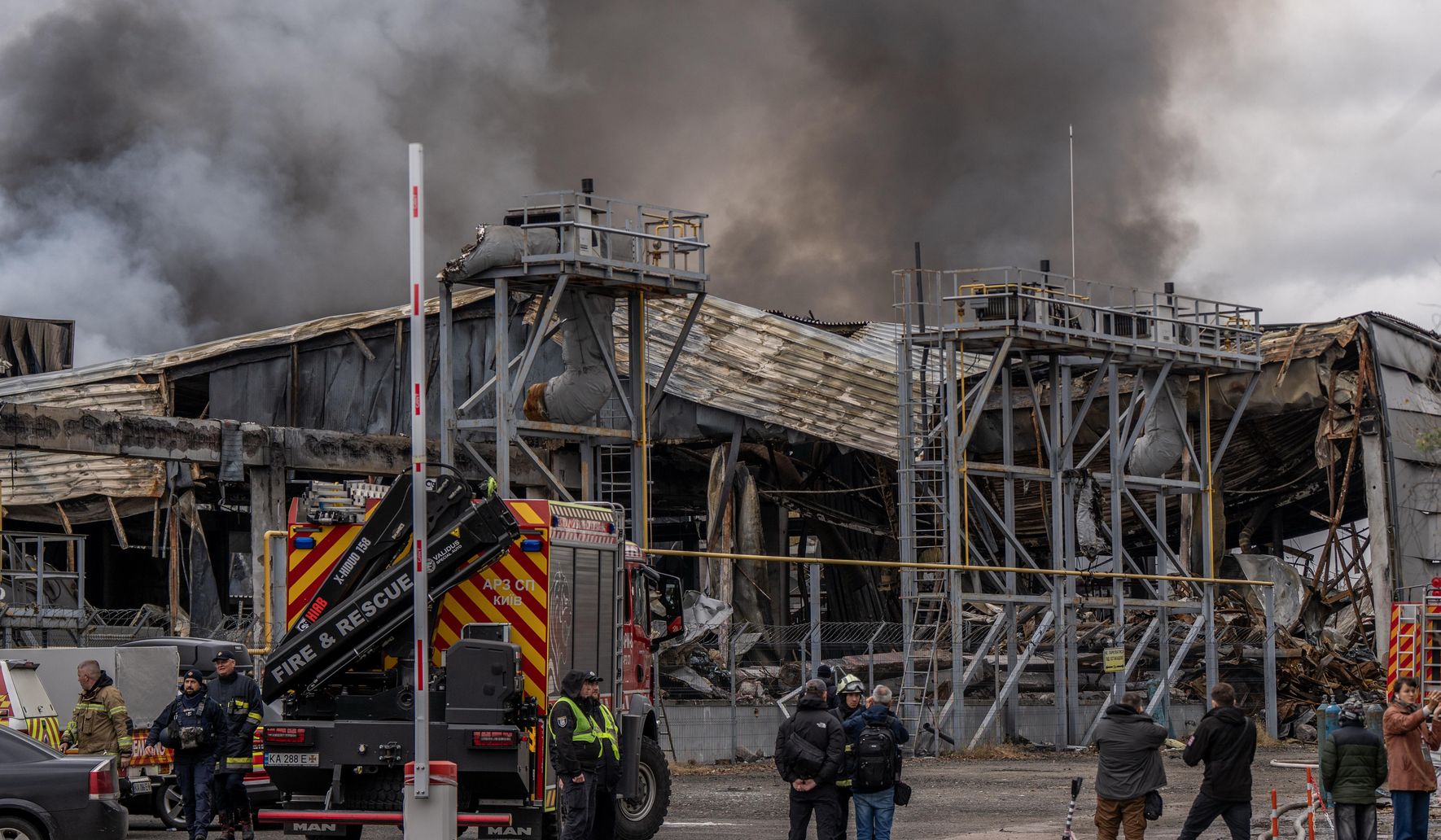
Russian missile and drone attacks on Ukraine overnight into Saturday killed at least four people and wounded 20, officials said, and prompted fresh pleas from Ukraine’s president for Western air. The strikes mark another brutal wave in a conflict that keeps testing Kyiv’s defenses and Western resolve, and they sharpen the debate over how far the West should go to help. Political leaders in Washington and allied capitals face clear choices about air defense, aircraft transfers, and long-term deterrence. The human toll and the damage to critical infrastructure are once again forcing planners to weigh risk against necessity.
The strikes used both missiles and drones, a pattern that has become familiar and dangerous for cities and military sites alike. Civil defense systems and first responders have been pressed to their limits, and local officials report shelling in populated areas. Casualty numbers — at least four dead and 20 wounded — are a blunt reminder of how lethal the campaign remains. Every new round of attacks underlines the importance of layered air defenses that can handle mixed threats.
From a Republican standpoint, the response should be muscular and clear: back Ukraine with what it needs to defend its people and critical infrastructure. Hesitation only lets Moscow exploit gaps, target civilians, and erode deterrence. That means accelerating the transfer of capable air defenses, providing training, and removing needless political barriers to getting equipment into Ukrainian hands. The goal is to make future strikes more costly and less effective for the attacker.
Providing defensive aircraft or stronger anti-air systems is about protecting civilians and preserving the balance of power in Europe. Ukrainians are asking for help that directly reduces casualties and the destruction of essential services. Delaying assistance while arguing over technicalities keeps weapons in warehouses instead of in the sky where they can save lives. A strong, timely response signals that the West is serious about upholding security commitments.
Operationally, layered defenses that combine long-range missile interceptors with short-range anti-drone systems are what commanders on the ground ask for. Those systems stop the blended attacks that have caused much of the damage in recent months. They also buy time for civil authorities to repair infrastructure and continue essential services. Investing now reduces the need for riskier, larger interventions later.
Congress and executive leaders must sort through legitimate legal and logistical concerns without letting them become excuses for inaction. Fast delivery and clear rules of engagement help Ukrainian forces use equipment effectively and safely. Oversight should be rigorous but streamlined, focused on results rather than symbolic gestures. The public needs to see that aid is reducing casualties and preventing broader escalation.
Domestic politics will shape how much support flows to Kyiv, but leadership means making hard calls when lives are on the line. Republican principles favor strong defense, credible deterrence, and clear support for allies under attack. A posture that combines resolve with smart, targeted aid strengthens long-term stability and discourages future aggression. Weak signals invite more violence; decisive help makes aggression a losing proposition.
On the ground, the next steps matter: boost air defenses, speed up maintenance and ammunition supplies, and expand pilot and operator training. Those moves cut the immediate risk to civilians while building Ukraine’s capacity to protect itself over time. International partners must coordinate to avoid duplication and to prioritize capabilities that address the current threat mix. The choice before Western capitals is simple: act to reduce suffering now, or watch attacks continue to take a heavy toll.

