

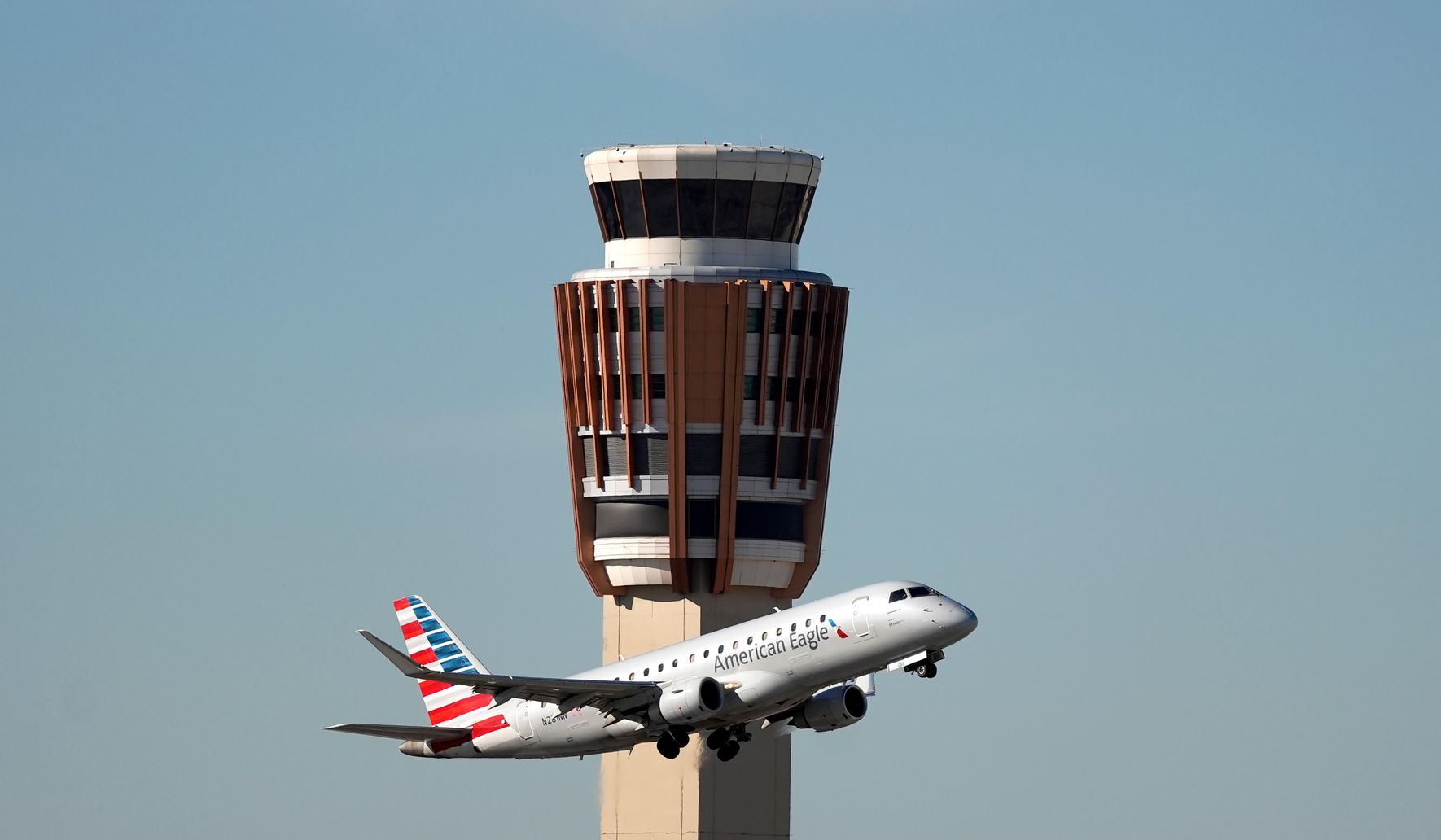
Air travel faces real strain if the federal shutdown drags into the Thanksgiving travel period, with Transportation Secretary Sean Duffy warning it could “slow to a trickle.”
Airlines, airports, and travelers are already bracing for pain if federal funding isn’t restored before the peak holiday surge. The transportation system depends on a chain of federal services that, when interrupted, ripple through schedules, staffing and passenger confidence. That makes the prospect of a prolonged shutdown more than just political theater; it becomes a logistics problem that hits ordinary people trying to get home.
Transportation Secretary Sean Duffy put the potential impact bluntly when he said air travel could “slow to a trickle” if the shutdown persists into Thanksgiving. That phrase captures how quickly capacity and service can deteriorate once key functions are curtailed or federal workers are furloughed. Airports and carriers can’t simply flip a switch back to normal overnight if regulatory, security, and air traffic roles are under strain.
Operationally, the federal role covers more than pilots and planes; it includes air traffic control staffing, safety inspections, and oversight that keeps flights on schedule and safe. When those systems are disrupted, delays cascade: one canceled flight jams gates, crews, and departure slots for the rest of the day. Travelers face missed connections, longer lines at security, and the kind of uncertainty that ruins holiday plans.
From a Republican perspective, this scenario underscores the cost of government dysfunction and the need for clear priorities. A shutdown reflects a failure to keep essential services running while lawmakers fight over budgets, and the fallout is paid by commuters and families. When the government lets essential transportation systems teeter, it shows how political brinksmanship translates directly into everyday harm.
Airlines also shoulder economic consequences when federal functions stop or slow. Cargo and passenger flow generate revenue that supports thousands of jobs, and interruptions can force carriers to trim schedules or delay hiring. Local economies that rely on tourism and business travel feel the hit quickly, and the recovery isn’t immediate once service is restored.
Airport operators and carriers say contingency plans exist, but those plans have limits and costs. Paid overtime, temporary staffing, and keeping operations running without full federal support eat into margins and can lead to higher prices or reduced routes down the line. For travelers, that means more uncertainty and a higher chance of disruptions during the busiest travel window of the year.
Security and safety remain the nonnegotiable priorities even amid budget fights, but maintaining them without stable funding is a tall order. When experienced personnel are furloughed or schedules are compressed, the margin for error narrows and operational resilience falls. Ensuring those protections requires lawmakers to stop using essential services as bargaining chips.
Practical fixes are straightforward: restore funding, prioritize essential functions, and keep air traffic and safety personnel fully staffed through the holiday period. That kind of responsible governance protects travelers and keeps commerce moving without asking private operators to shoulder the full burden. Inaction only amplifies the human and economic costs of a shutdown.
Meanwhile, travelers should expect tougher conditions if the shutdown lingers: longer lines, tighter schedules, and the chance of cascading cancellations. Booking strategies and contingency plans help, but they won’t erase the systemic constraints a stretched federal system creates. The most reliable safeguard is a government that keeps core services running and avoids threatening the backbone of holiday travel.

